
With the Subclass 491 Regional Migration Visa, you gain the opportunity to live and work in designated regional areas of Australia. This visa not only offers a pathway to permanent residency but also provides access to benefits such as financial incentives and increased job opportunities in less populated regions. You can enjoy a more affordable cost of living and a vibrant community lifestyle, while also contributing to regional growth. Understand these benefits to maximize your migration experience and secure your future in Australia.
Key Takeaways:
- Skilled workers in nominated occupations can apply for the Subclass 491 visa.
- It is a provisional visa that provides a pathway to permanent residence after three years.
- Visa holders must live and work in a designated regional area of Australia.
- The visa allows holders to bring eligible family members to Australia.
- Applicants receive points for certain factors, such as age, education, and work experience.
- It encourages regional development by addressing skill shortages in specific areas.
- Holders can apply for further travel rights outside of Australia during the visa period.

Overview of Subclass 491 Visa
The Subclass 491 Visa, also known as the Skilled Work Regional (Provisional) visa, allows skilled workers to live and work in designated regional areas of Australia. This visa is designed to boost local economies by attracting skilled labor to regions facing shortages. Successful applicants receive a pathway to permanent residency after three years of meeting certain conditions. By relocating to a regional area, you not only contribute to these communities but also enhance your prospects of permanent residency in Australia.

Eligibility Criteria
To qualify for the Subclass 491 Visa, you must meet specific eligibility criteria. You need to be under 45 years of age, hold a valid occupation listed on the relevant skilled occupations list, and possess a suitable skills assessment for your nominated occupation. Additionally, you must be nominated by an eligible relative living in a designated regional area or a state or territory government. Meeting English language proficiency requirements is also necessary for your application.
Application Process
The application process for the Subclass 491 Visa involves multiple steps. Initially, you must receive a nomination from an eligible entity, then submit an Expression of Interest (EOI) through SkillSelect. Upon receiving an invitation to apply, you can submit your application online through the Department of Home Affairs. The processing time can vary, so it is vital to ensure that your submission is thorough and meets all requirements to avoid delays.

Your application process begins with receiving a nomination, which can be a complex step depending on state requirements or relative eligibility. After submitting your EOI, you should regularly monitor your SkillSelect account for an invitation. Once invited, gather all necessary documentation, including identity proof, skills assessment, and evidence of English proficiency, to expedite the online application. Accurate submissions will enhance your chances of a timely approval, allowing you to move forward in your migration journey without unnecessary setbacks.
Benefits of the Subclass 491 Visa
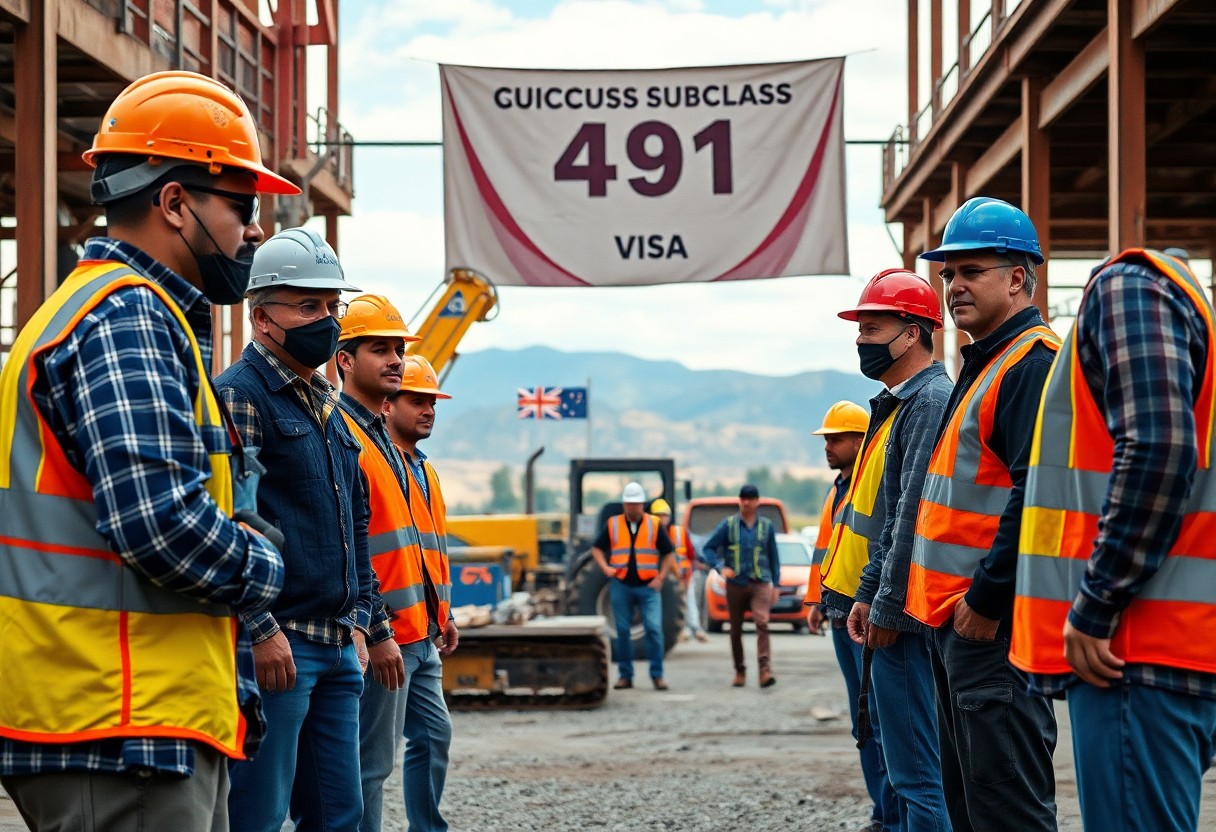
The Subclass 491 visa offers numerous advantages for migrants seeking a new life in Australia. You gain access to a broader range of job opportunities in regional areas, enjoy a lower cost of living, and foster strong community bonds. With the added benefit of family sponsorship, you can bring your loved ones closer while enhancing your career potential. This visa not only allows you to build a stable life but also opens doors to long-term residency options, making it a strategic pathway for those looking to settle in Australia.
Regional Living Advantages
Choosing to live in a regional area under the Subclass 491 visa comes with significant benefits. You typically experience a more affordable lifestyle, with housing prices lower than in major cities. Regional communities provide a welcoming atmosphere, ideal for families and individuals seeking work-life balance. Access to various recreational activities, coupled with stunning natural surroundings, enriches your living experience while contributing to an improved quality of life.
Pathway to Permanent Residency
The Subclass 491 visa is a stepping stone towards permanent residency, allowing you to transition smoothly to the Subclass 191 visa after three years of living and working in a designated regional area. Your commitment to that region demonstrates your dedication to contributing to the community, enhancing your eligibility. Meeting specific requirements, such as maintaining a job and adhering to the visa conditions, positions you favorably for permanent residency.
Once you’ve lived and worked in a regional area for three years, you can apply for the Subclass 191 visa, granting you permanent residency. This permanent status comes with enhanced rights, including access to Medicare and social benefits, and the ability to travel in and out of Australia more freely. You must also meet the income thresholds set during this period to qualify fully. This structured approach to gaining permanent residency encourages a sense of community involvement and long-term investment in regional Australia, ultimately benefiting both you and the regions you call home.

Financial and Employment Opportunities
The Subclass 491 visa opens doors to diverse financial and employment opportunities in regional Australia. You can benefit from lower living costs compared to urban centers, allowing your earnings to stretch further. This pathway not only enhances your financial stability but also encourages investment in regional economies, fueling local development and growth.
Support for Regional Employers
Regional employers actively seek skilled workers through the Subclass 491 visa, facilitating a better match between job openings and qualified candidates. As a visa holder, you help address local skill shortages, ensuring that businesses have the workforce they need to thrive. This mutual benefit fosters stronger community ties and enhances your employability in the region.
Increased Job Opportunities
With the Subclass 491 visa, you encounter a significant increase in job opportunities across various sectors. The Australian government prioritizes regional areas for migrants, leading to a high demand for skilled labor. Industries such as healthcare, agriculture, and engineering are particularly in need, offering stable roles with competitive salaries.
In regional areas, job vacancies often remain unfilled due to a lack of local candidates, which translates into less competition for you as a migrant. For instance, the healthcare sector reports a persistent demand for doctors and nurses, while agricultural businesses seek skilled laborers. This demand can provide you with job security and potential career advancement, enabling you to build a successful professional life while contributing to the local economy. Leveraging local networks and resources can further enhance your job search and career growth opportunities.
Family and Community Benefits
Obtaining the Subclass 491 visa extends several family and community benefits, helping you to establish a well-rounded life in your new environment. You can create stronger ties with both your immediate family and the surrounding community, fostering a supportive network that enhances your migration experience. The ability to settle in regional areas facilitates access to local services, schools, and businesses, which can improve overall quality of life.
Inclusion of Family Members
Your Subclass 491 visa allows you to include eligible family members in your application, enabling a smoother transition to your new life. This inclusion is critical for maintaining family bonds and ensuring that you have emotional and practical support during the adjustment period in a new country.
Community Engagement
Engaging with your local community enhances your settlement experience significantly. By participating in community events, volunteering, or joining local organizations, you not only enrich your own life but also contribute positively to the region. This participation fosters a sense of belonging, making the adaptation process more comfortable for you and your family.
Community engagement opens the door to various opportunities for networking and social integration. Actively participating in local events and initiatives could lead you to build lasting friendships and professional relationships, which are vital for both personal and career growth. The cultural exchange and shared experiences with long-term residents can also provide you with valuable insights, fostering a deeper understanding of the regional lifestyle. Engaging in community life enhances your migration experience, making your new place feel like home.
Challenges and Considerations
While the Regional Migration Visa (Subclass 491) offers numerous benefits, several challenges and considerations may impact your journey. Understanding these obstacles allows you to prepare effectively, ensuring a smoother transition to regional Australia. Issues such as limited job opportunities in specific areas, cultural adjustments, and the necessity for community integration must be navigated thoughtfully to maximize your experience.
Regional Relocation Challenges
Relocating to a regional area can present unique challenges, including a potential lack of amenities compared to metropolitan locations. Job availability may vary significantly, leading to increased competition for roles. Additionally, you might experience a slower-paced lifestyle that requires adjustment, alongside the need for strong community bonds to feel connected in a new environment.
Understanding the Conditions
The Subclass 491 visa comes with specific conditions that you must adhere to throughout your stay. This includes living and working in a designated regional area for at least three years before applying for permanent residency. Failing to meet these conditions may jeopardize your visa status. Moreover, compliance with Australian laws, including those related to employment and health insurance, is mandatory.
You must also actively seek employment opportunities within your designated regional area to fulfill the Subclass 491 visa requirements. A minimum income threshold, usually maintaining the median income, is necessary to secure your visa’s privileges. Keep in mind that failure to meet employment and residency requirements may lead to visa cancellation or restrict your path to permanent residency. Staying informed about updates to immigration policies is equally vital, as these can directly affect your status and future plans in Australia.
Frequently Asked Questions
Many potential applicants have similar inquiries regarding the Subclass 491 visa. Understanding these common concerns can ease the process and provide clarity on eligibility, application procedures, and post-visa life in Australia. This section aims to shed light on the most frequently asked questions to help you navigate your journey effectively.
Common Queries About the Subclass 491
Your questions about the Subclass 491 often center on eligibility requirements, duration, and family provisions. It’s vital to know that eligibility hinges on skills assessment, nominations from regional areas, and age limits, among other factors. Inquiries about processing times and the ability to include family members on your application are common, as these aspects significantly impact your planning and settlement in Australia.
Tips for a Successful Application
A successful application for the Subclass 491 requires attention to detail and a thorough understanding of requirements. Gathering all necessary documentation, ensuring that skills assessments are up to date, and confirming that your nomination is secure are crucial steps. Engage with a migration agent if you seek personalized professional input, improving your chances of success with your application.
- Gather and verify your documentation.
- Ensure your skills assessments are current.
- Confirm your nomination from a regional area.
- Consult a knowledgeable migration agent for assistance.
- Stay updated on any policy changes impacting your application.
Deepening your understanding of the requirements is vital. This includes not only the documentation but also timelines for submissions and potential interviews. Additionally, familiarize yourself with any regional programs that may impact your application favorably. Engaging with local communities or networks can provide insights and shared experiences aiding your process. Recognizing the nuances associated with your application can significantly elevate your chances for a smooth journey.
- Understand regional program nuances.
- Engage with local communities for support.
- Prepare for interviews if required.
- Monitor application timelines closely.
- Seek feedback on your application drafts.
Final Words
On the whole, the Regional Migration Visa (Subclass 491) offers you an excellent opportunity to live and work in designated regional areas of Australia. By securing this visa, you can enjoy benefits such as a pathway to permanent residency, a chance to gain valuable work experience, and the ability to contribute to regional communities. You also access a diverse lifestyle and potentially lower living costs compared to metropolitan areas. Understanding these benefits can empower you to make informed decisions about your migration journey.
FAQ
Q: What is the Regional Migration Visa Subclass 491?
A: The Regional Migration Visa Subclass 491 allows skilled workers to live and work in designated regional areas of Australia for up to five years, with pathways to permanent residency.
Q: Who is eligible for the Subclass 491 visa?
A: Eligibility includes being nominated by a state or territory government, having an occupation on the relevant skilled occupation list, meeting age, skill, and English proficiency requirements.
Q: What are the benefits of living in regional areas on a Subclass 491 visa?
A: Benefits include lower living costs, greater availability of job opportunities in specific industries, and access to various government support and services tailored for regional residents.
Q: How does the Subclass 491 visa support family members?
A: The visa allows primary applicants to include eligible family members in their application, enabling them to live, work, and study in Australia as well.
Q: Can holders of the Subclass 491 visa apply for permanent residency?
A: Yes, Subclass 491 visa holders can apply for permanent residency through the Subclass 191 visa pathway after fulfilling certain requirements, including living and working in a regional area for at least three years.
Q: What are the conditions for maintaining the Subclass 491 visa?
A: Visa holders must live, work, and study in a designated regional area, and comply with visa conditions, including not abandoning the nominated job or leaving the regional area for extended periods.
Q: Is there any financial support available for Subclass 491 visa holders?
A: Yes, Subclass 491 visa holders may be eligible for a range of financial aids, including local scholarships, temporary financial support from governments, and programs promoting regional employment.