
Nepal is witnessing an increasing demand for skilled electricians, making your migration prospects brighter than ever in 2025. To enhance your chances, you need to meet the specific migration requirements, including relevant qualifications and work experience. Understanding the details of language proficiency and recognized certifications will be necessary for successful applications. Additionally, staying informed about visa options and potential employers abroad can greatly benefit your journey. As you prepare, focus on improving your skills and best practices to ensure a smooth transition and abundant opportunities in the global job market.
Key Takeaways:
- By 2025, the demand for skilled electricians in various countries is expected to grow, creating opportunities for Nepali electricians seeking migration.
- Potential migrating electricians must possess specific certifications and qualifications recognized by their target country to improve employment prospects.
- Language proficiency, particularly in English, will be a key requirement for successful migration and integration into the workforce.
- Understanding local electrical codes and regulations will be important for compliance and ensuring workplace safety.
- Experience in specialized electrical fields, such as renewable energy or automation systems, may enhance eligibility for skilled migration programs.
- Networking with recruitment agencies and participating in training programs can provide valuable resources and opportunities for aspiring migrants.
- Staying informed about changes in immigration policies and skilled occupation lists in target countries will be vital for prospective electricians.
Navigating the Regulatory Landscape for Migration
Understanding the legal framework surrounding skilled migration is important for your successful journey as an electrician. Each country has its own set of regulations that govern visa applications, work permits, and residency requirements. Keeping abreast of legislative changes, processing timelines, and potential barriers can significantly ease your transition. Engage with immigration experts and utilize online resources to achieve a smoother migration experience tailored to your unique circumstances.
Understanding Visa Categories for Skilled Electricians
Selecting the appropriate visa category is fundamental in your migration plan as an electrician. Many countries offer specific visas for skilled trades, differentiating based on qualifications, work experience, and language proficiency. For example, in Australia, the Skilled Nominated Visa (subclass 190) or Employer Sponsored Visa (subclass 482) might be ideal options for you. Thoroughly researching these categories ensures that you maximize your chances of a successful application.

The Role of Credential Recognition in Emigration
Credential recognition is a key factor when seeking employment abroad as an electrician. Various countries require that you have your skills and qualifications assessed and recognized by local regulatory bodies to ensure that your training meets their specific standards. This process assures potential employers that you possess the necessary skills to perform safely and effectively.
In many cases, credential recognition can make or break your employment prospects. For electricians, the verification of your qualifications may involve skill assessments, competency tests, and sometimes even language proficiency evaluations. For instance, Australia and Canada have established frameworks to review foreign qualifications, often requiring you to submit detailed information about your coursework, practical experience, and even continuing education credits. Taking proactive steps to get your credentials recognized not only boosts your employability but also streamlines your migration process, opening doors to numerous job opportunities.

The Skills Demand: What Global Markets Are Looking For
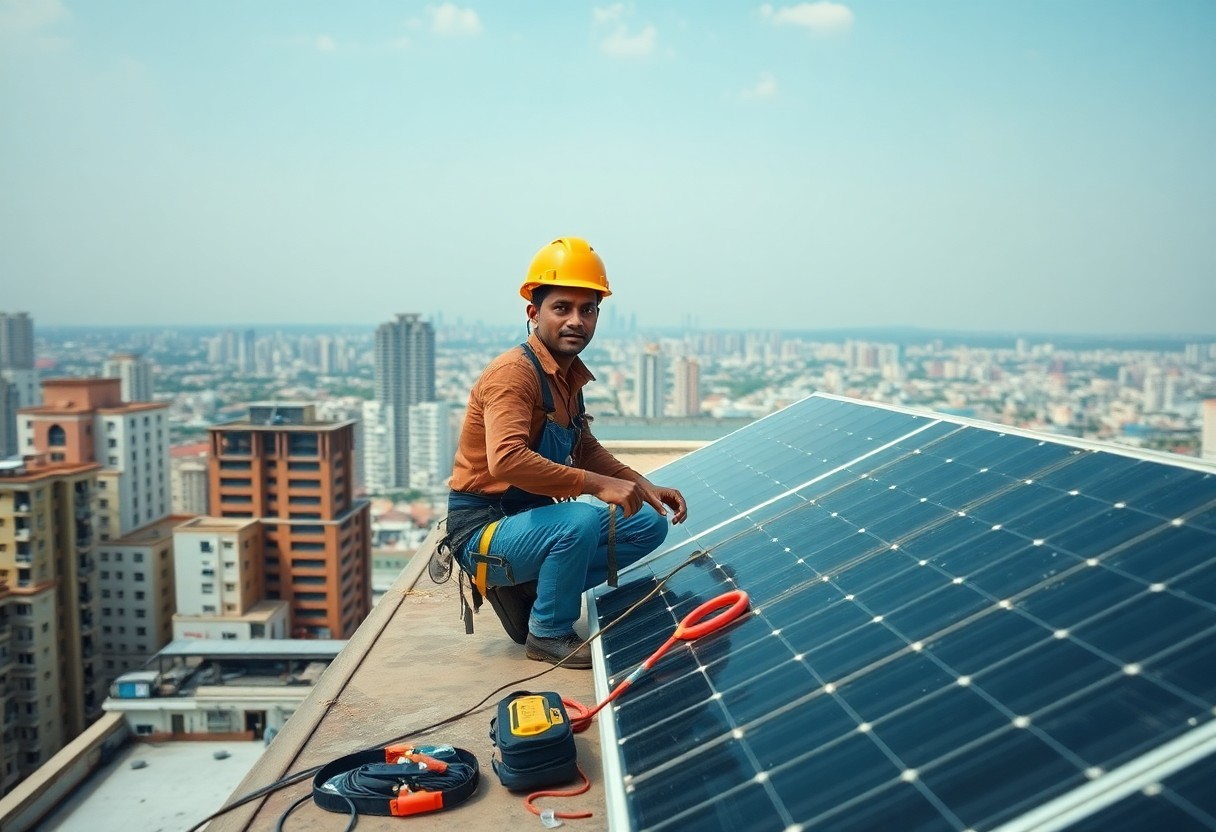
With the growing emphasis on sustainable energy and smart infrastructure, global markets are actively seeking electricians equipped with the right skills. You will find that countries with booming energy sectors, like Canada and Australia, are particularly focused on recruiting individuals who possess not just technical abilities, but also knowledge of energy efficiency practices. As a Nepali electrician, recognizing these market trends will help you align your skills with the demands of international employers.
In-Demand Skills and Certifications in 2025
In 2025, certifications in areas like renewable energy technology, advanced wiring systems, and smart home installations will be highly sought after. You should also aim to acquire familiarity with Building Information Modeling (BIM) for enhanced project management. Issued certifications—like the National Electric Code (NEC) compliance and specialized HVAC training—will make you a more competitive candidate in the global job market.
How Technological Advancements Affect Skill Requirements
Technological advancements are transforming the landscape of the electrical industry, necessitating a shift in skills and knowledge. You’ll need to stay updated with new technologies, such as automation systems and smart grids, to maintain your competitiveness. Furthermore, a solid understanding of Internet of Things (IoT) applications within electrical systems is becoming increasingly important as the industry pushes towards greater connectivity and efficiency.
As technology evolves, so do the expectations for electricians. The integration of artificial intelligence in project designs and maintenance processes requires you to be adept at troubleshooting complex systems. Electrical work now often involves integrating software solutions for diagnostics and system optimization, making coding and data analytics skills invaluable. Expanding your competency into these areas will not only enhance your job prospects but also position you as a forward-thinking electrician ready to meet the challenges of modern infrastructures.

Financial Considerations: Budgeting for Your Migration Journey
Planning your finances meticulously is necessary in ensuring a smooth migration as a Nepali electrician. Budgeting for your journey involves assessing not just initial costs but also long-term financial implications. From visa fees and health checks to accommodation and living expenses, you need a comprehensive understanding of how much you will spend. Crafting a detailed budget will help you minimize surprises and stay on track during your transition.
Estimating Costs and Expenses: From Visa Fees to Relocation
Estimating the total financial outlay is vital for your migration planning. Visa application fees for skilled workers can range from $300 to $500, while health examinations, mandatory insurance, and other documentation fees may add another $200 to $700. Don’t overlook relocating costs; shipping personal belongings alone could set you back anywhere from $1,000 to $5,000 based on distance and volume. Plane tickets can add an additional $500 to $2,000 per person, depending on seasonal prices.
Financial Support Options and Resources for Nepali Electricians
Various financial support avenues can ease your migration journey to a new country as a skilled electrician. One of the prominent options includes government grants aimed at skilled migrants, which may cover visa fees or relocation expenses. Additionally, organizations like the International Organization for Migration (IOM) provide financial advisory services and assist in planning your budgeting. Many banks also offer loans specifically designed for migrants, allowing you to build your credit history abroad while financing your initial costs.
Specific programs, such as those offered by the Nepali government, can assist in providing financial literacy and resources tailored to support you in preparing for migration. Some NGOs specialize in helping tradespeople transition smoothly and may offer grants or low-interest loans for approved applicants. You should also consider reaching out to expatriate communities in your destination country; they can share valuable insights and possibly even connect you with local resources for additional support.
Building a Competitive Edge: Enhancing Employability
Enhancing your employability as a skilled electrician will set you apart in the competitive migration landscape. Focus on honing specialized skills, such as renewable energy technologies or smart home installations, which are increasingly sought after. Additionally, obtaining relevant certifications can significantly boost your resume, demonstrating not just technical expertise, but also commitment to your professional development.
Networking Strategies and Industry Connections Abroad
Effective networking can open doors to job opportunities you might not find through traditional channels. Engaging with industry professionals on platforms like LinkedIn, attending relevant conferences, and joining international electrical associations can help you build valuable connections. Connecting with established Nepali electricians in your target country might also provide leads or referrals to potential employers.
Continuing Education and Training Opportunities
Investing in your education through accredited training programs can enhance your credentials and skill set. Look for courses that focus on emerging technologies such as photovoltaics or energy-efficient systems, as these are becoming increasingly relevant in the industry. Many countries offer subsidized programs or online courses tailored to international electricians.
Online platforms like Coursera or edX provide access to courses from renowned institutions on electrical systems and innovative technologies. Completing these courses can not only deepen your knowledge but also present you with recognized qualifications that appeal to overseas employers. Additionally, many countries encourage continuous professional development through mandatory training hours, making it necessary for you to stay updated with the latest industry standards and practices.

Cultural Adaptation: Preparing for Life in a New Country
Adapting to a new culture can be an exhilarating yet challenging experience. Embracing the local customs, traditions, and values is vital for a smoother transition. You can start by learning the local language, even basic phrases, which fosters connections and eases daily interactions. Participate in local events and festivals to immerse yourself in the new culture while forging relationships and understanding the diverse community you are now part of.
Understanding Workplace Culture and Expectations
Your new workplace environment will likely possess its own distinct culture, dictated by local norms and expectations. Observing how colleagues interact and communicate will help you navigate this dynamic. Formality levels, teamwork approaches, and conflict resolution methods can differ significantly from your home country. Showing punctuality and a willingness to adapt demonstrates your commitment and respect for your new surroundings.
Community Integration and Social Networks
Building a strong social network is fundamental for your overall well-being. Engaging with fellow expatriates, as well as locals, allows for richer experiences and offers support. You might find groups or activities tailored to your interests, which can accelerate the integration process and help you forge lasting friendships in your new environment.
Joining local community centers, attending meetups, or using social media platforms can provide fantastic opportunities to expand your social circle. Participating in community service or volunteering also allows you to contribute positively while meeting others who share your interests. Building connections in your new country not only enhances your experience but may also present job opportunities and social engagements that enrich your life in ways you had not anticipated.
Final Words
So, as you consider skilled migration opportunities as a Nepali electrician in 2025, it’s important to familiarize yourself with the specific requirements. Ensure you meet the necessary qualifications, gain relevant experience, and prepare for language proficiency tests. Additionally, keep an eye on changing immigration policies and potential job markets in your desired country. By taking these proactive steps, you can enhance your chances of a successful migration and build a rewarding career abroad.
FAQ
Q: What are the basic eligibility requirements for Nepali electricians applying for skilled migration in 2025?
A: Nepali electricians looking to migrate under skilled schemes must meet several criteria. Typically, candidates need to have a recognized qualification in electrical engineering or a related field, alongside a certain amount of work experience (commonly 2-3 years). Additionally, proficiency in English is often required and may need to be demonstrated through standardized tests such as IELTS or TOEFL.
Q: Is there a specific age limit for Nepali electricians aspiring for skilled migration?
A: While age limits can vary by country, many skilled migration programs prefer applicants between 18 and 45 years. Some programs may offer points for age, which can impact the overall eligibility score. It is advisable for applicants to check the specific age-related criteria for the country they wish to migrate to.
Q: Which countries are currently considered the best options for Nepali electricians seeking skilled migration in 2025?
A: Several countries are popular destinations for skilled migration of electricians, including Australia, Canada, New Zealand, and the UK. Each country has its own immigration policies, which can change frequently, so prospective applicants should keep updated with the latest information from official immigration websites.
Q: What is the role of skills assessment in the migration process for Nepali electricians?
A: Skills assessment is a vital part of the migration process. It involves evaluating the applicant’s qualifications and work experience to ensure they meet the standards set by the destination country. Electricians may need to undergo a competency assessment through authorized assessing bodies, which can provide recognition of skills, imperative for visa applications.
Q: Are there specific documents required for Nepali electricians applying for skilled migration?
A: Yes, applicants typically need to submit various documents as part of the application process. Commonly required documents include proof of qualifications (certificates and transcripts), work experience letters, English language test results, identification documents (passport), and sometimes a skills assessment report. Each country may have specific document guidelines, so reviewing them is important.
Q: How does the points-based system affect the skilled migration process for Nepali electricians?
A: Many countries employ a points-based system to evaluate migration applications. Electricians may earn points based on factors such as age, work experience, educational qualifications, and English language proficiency. Accumulating a sufficient number of points can improve an applicant’s chances of obtaining a skilled migration visa, making it imperative to maximize points in each category.
Q: Are there any specific challenges Nepali electricians may face during the skilled migration process?
A: Yes, some challenges that Nepali electricians might encounter include navigating the complexities of the immigration system, understanding changing policies, and meeting language proficiency requirements. Additionally, securing recognition of qualifications and work experience from assessing authorities can be challenging and may require additional documentation or assessments.