
Jobs are often a key factor in migration decisions, but you may wonder if it’s possible to migrate to Australia without a job offer in 2025. While having a job may simplify the process, there are several pathways available for skilled migrants, including independent visas and study options. However, meeting eligibility criteria and understanding the immigration policies will be necessary for a successful application. This post will guide you through your options and help you navigate the complexities of migrating to Australia.
Key Takeaways:
- Migrating to Australia without a job offer is possible through various visa options.
- Skills assessment and qualifications play a significant role in eligibility for migration.
- The General Skilled Migration (GSM) program allows skilled workers to apply without a job offer.
- Points-based system evaluates age, skills, experience, and English proficiency.
- State or territory nomination can enhance chances of obtaining a visa.
- Temporary visas might be an entry point leading to permanent residency.
- Research on specific visa subclasses and their requirements is crucial for a successful application.

Overview of Migration Options
Several pathways enable you to migrate to Australia without a job offer, each tailored to specific circumstances. Options include skilled migration, family sponsorship, and humanitarian visas. Understanding your eligibility and the requirements of each option is vital for making informed decisions about your migration journey, potentially allowing you to establish a new life in Australia.

Skilled Migration
Skilled migration is designed for individuals with qualifications and experience in high-demand occupations. Australia’s points-based system evaluates your age, education, work experience, and English proficiency, allowing you to apply for a skilled visa without a job offer. If your occupation is on the relevant skilled list, you could secure residency through this route.
Family Sponsorship
Family sponsorship permits you to move to Australia if you have relatives who are citizens or permanent residents. This process typically requires a family member to sponsor your visa application, helping you establish connections in your new environment. The eligibility criteria vary depending on your relationship with the sponsor.

Family sponsorship can lead to a permanent residency pathway, particularly if you’re sponsored by an Australian citizen or permanent resident who meets the financial and residency requirements. Various visa options exist under this category, including Partner Visas for spouses and Fiancé(e) Visas for intended partners. Ensure your sponsor fulfills all obligations to enhance the chances of a successful application.
Understanding Visa Classes
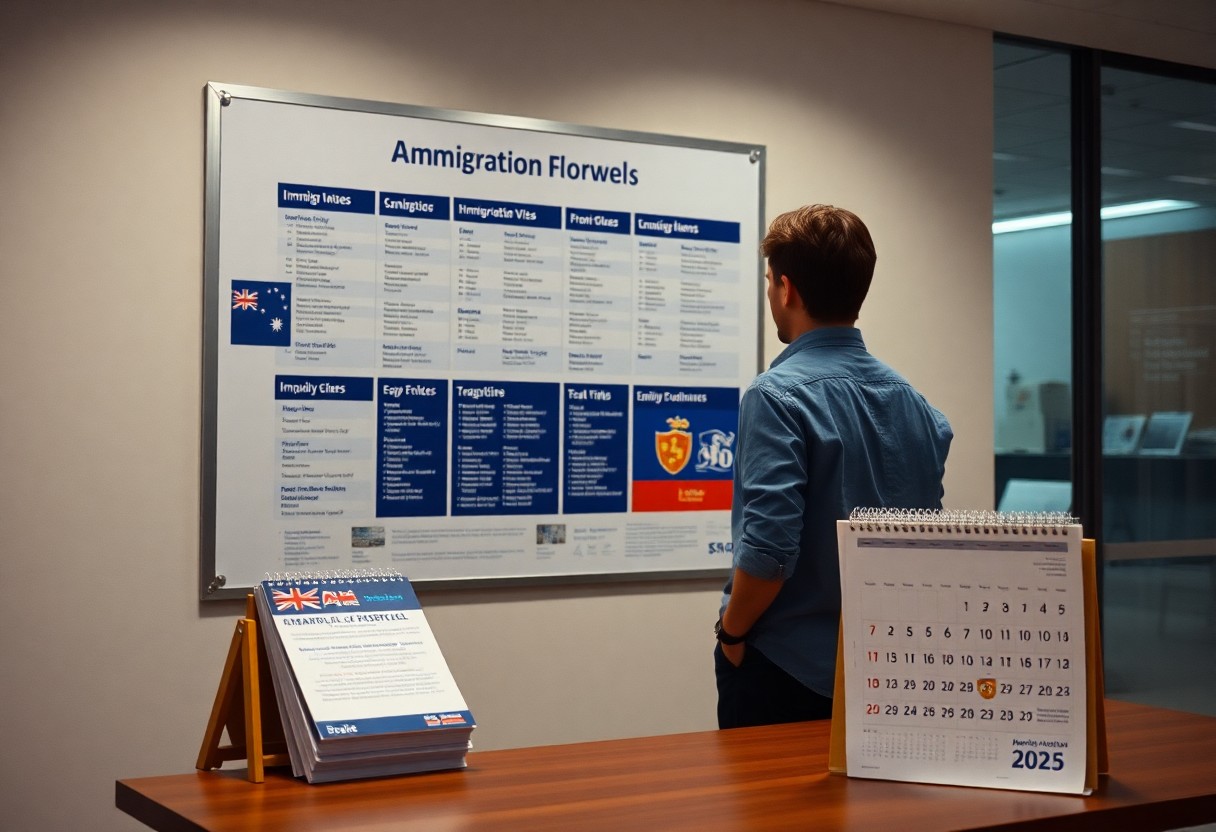
Australia offers various visa classes, each designed to meet specific needs and circumstances for migrants. These classes include temporary and permanent options, allowing you to choose the most suitable path based on your qualifications, skills, and intentions. Understanding these categories will help you navigate the migration process efficiently and identify the visa that aligns best with your personal situation.
Temporary Visas
Temporary visas are designed for short-term stays, allowing you to work, study, or visit Australia for a limited period. Some common types include the Temporary Skill Shortage (TSS) Visa, which requires a job offer from an Australian employer, and the Student Visa, permitting you to study while working part-time. These visas typically have specific conditions that must be met during your stay.
Permanent Visas
Permanent visas enable you to reside in Australia indefinitely, granted based on your skills, qualifications, or family connections. The Skilled Independent Visa is particularly popular among those without job offers, focusing on your skills and experience rather than employer sponsorship. Meeting the points test requirements is important to qualify.
Your options for permanent visas can significantly enhance your migration prospects. The Skilled Migration Program offers a variety of pathways for skilled workers to obtain permanent residency without needing a job offer. With a system that awards points for your age, education, work experience, and English proficiency, documenting your qualifications effectively can make a substantial difference. Programs like the Employer Nomination Scheme are also available, allowing Australian employers to nominate skilled workers for permanent residency, which may be an alternative if you secure an employer’s support later on.
Points-Based System Explained
The points-based system is the backbone of Australia’s immigration framework, especially for skilled migrants. This system evaluates applicants based on various factors such as age, qualifications, work experience, and language proficiency. To successfully obtain a visa, you must accumulate a minimum number of points, demonstrating your ability to contribute effectively to Australia’s economy and society.
Eligibility Criteria
To qualify under the points-based system, you must meet certain eligibility criteria. These include age limits (typically between 18 and 44), English language competency, qualifications relevant to your occupation, and a specified level of work experience. Meeting these criteria is necessary for accumulating enough points to apply for a visa.
Points Calculation
Points are calculated based on several key factors: age, English language skills, education qualifications, work experience, and partner skills. Each category awards a set number of points, with higher educational qualifications and skilled work experience yielding more points.
You can earn up to 30 points for age, with applicants aged 25-32 receiving the maximum. English proficiency is assessed through tests like IELTS, providing up to 20 points for superior skills. Educational qualifications can fetch 10 to 20 points depending on the level of degree. Work experience also plays a vital role, awarding points for both skilled and non-skilled positions. By optimizing your profile in these areas, you can enhance your total point tally, increasing your chances of securing a visa.
Benefits and Challenges of Migrating Without a Job Offer
Migrating to Australia without a job offer presents both advantages and challenges. While you gain flexibility in selecting your desired location and adapting to the local job market, the absence of a job offer may result in financial uncertainty and potential difficulties in securing a visa. Balancing these factors is important for a successful migration experience.
Pros of Job Offer Independence
The freedom to migrate without a job offer allows you to explore various regions and industries in Australia, enhancing your adaptability. This approach enables you to discover employment opportunities that align with your skills and interests, rather than being confined to a specific position. You can also build a broader professional network and gain insights into the Australian job market.
Potential Obstacles
Navigating the migration process without a job offer can introduce challenges, such as financial instability, the risk of prolonged unemployment, and visa approval hurdles. Limited job security may hinder your ability to establish a stable life in Australia, making thorough planning important.
Obtaining a visa without a job offer can be particularly challenging due to strict requirements in the points-based system. For instance, you may need to demonstrate substantial funds to support yourself during your initial stay, as well as a strong skills assessment to meet eligibility criteria. Furthermore, the absence of a local job offer may reduce your points score, making it harder to secure a visa. You might face delays in accessing public services or education, complicating your transition into Australian life. Thorough research and preparation are critical to mitigate these complexities.
Alternative Pathways to Migration
Several options exist for migrating to Australia without a job offer, allowing you to explore alternatives that may align better with your personal circumstances and goals. Understanding these pathways can open doors to new opportunities, enhancing your qualifications or enabling you to tap into niche areas that the Australian government seeks to fill.
Regional Migration
Regional migration offers you a chance to live and work in Australia’s designated regional areas. By settling in these regions, you may qualify for specific visas, such as the Regional Sponsored Migration Scheme, which provides greater flexibility and fewer requirements compared to metropolitan migration pathways.
Student Visas
Pursuing a student visa can be an effective strategy for migrating to Australia. This pathway allows you to undertake a course in a recognized institution, gaining qualifications that are valuable in the Australian job market. Importantly, student visa holders can work part-time while studying, facilitating integration into Australian society.
Gaining a student visa requires enrollment in a registered course, usually lasting more than three months. This process not only equips you with necessary skills but also allows for potential post-study work options. Graduates from certain fields may transition to skilled migration pathways, making your education a vital stepping stone towards permanent residency.

Advice for Prospective Migrants
To navigate the complexities of migrating to Australia, a strategic approach can significantly enhance your chances of success. Understanding the requirements and options available to you is imperative for making informed decisions and ensuring a smooth transition. Preparedness and staying updated on migration policies should be your priorities as you commence on this journey.
Research and Preparation
Conducting thorough research on Australian immigration policies, regional job markets, and lifestyle can provide vital insights for your migration plans. Knowing which states have the highest demand for your skills or understanding the living conditions can help you decide where to settle. This detailed preparation forms the foundation for a successful application.
Consulting Migration Agents
Engaging with migration agents can simplify the intricate process of obtaining a visa, offering tailored advice suited to your specific situation. A qualified agent helps identify the most suitable visa options, increasing the likelihood of a successful application.
Working with migration agents grants you access to up-to-date information and personalized strategies that align with your qualifications and goals. Agents stay informed about changes in immigration laws and processes, which can be a game changer in your planning. Moreover, their expertise in navigating paperwork minimizes your stress and enhances your chances of a favorable outcome, especially in a competitive migration landscape. Invest in this guidance to maximize your potential for success in securing a visa without a job offer.
Conclusion
Summing up, migrating to Australia without a job offer in 2025 is possible through various visa pathways, such as skilled migration or family sponsorship. You should assess your qualifications, skills, and the specific visa requirements. By understanding the immigration policies, staying informed about changes, and preparing your application accordingly, you can increase your chances of a successful migration. Consider exploring your options and seeking professional advice if necessary.
FAQ
Q: Can I migrate to Australia without a job offer in 2025?
A: Yes, it is possible to migrate to Australia without a job offer through various visa pathways, such as skilled migration, family sponsorship, or student visas.
Q: What are the visa options available for migration without a job offer?
A: Options include the Skilled Independent Visa (subclass 189), the Partner Visa (subclass 820/801), and the Family Reunion visas, among others.
Q: How does the Skilled Independent Visa work without a job offer?
A: The Skilled Independent Visa allows individuals to apply based on their skills and qualifications. Applicants must meet certain criteria, including age, English proficiency, and skill assessment.
Q: Is there a points test for migrating to Australia without a job offer?
A: Yes, many visa pathways require passing a points test based on factors such as age, work experience, and education qualifications.
Q: Can I apply for a student visa as a pathway to migrate without a job offer?
A: Yes, applying for a student visa can provide a pathway, allowing you to study in Australia and later apply for a graduate visa after completing your studies.
Q: Are there any age restrictions when migrating without a job offer?
A: Yes, age limits typically apply, especially for skilled migration visas, where applicants usually must be under 45 years old at the time of application.
Q: How can I improve my chances of migration without a job offer?
A: Improving English language proficiency, gaining additional qualifications, and obtaining relevant work experience can enhance your chances of meeting visa requirements.