
You may wonder if migrating to Australia after age 40 is still a viable option for you. While age can present unique challenges, such as stricter visa requirements and skills assessments, many individuals over 40 successfully navigate the migration process. Understanding the available pathways and how your experience and qualifications can play a role is important. This informative guide will help you explore your options and empower you to make an educated decision about your future.
Key Takeaways:
- Migrating to Australia is possible after age 40, but challenges may increase.
- Skills assessment and relevant qualifications become more critical.
- Points-based immigration system favors younger applicants, impacting chances.
- Work experience in high-demand occupations can enhance eligibility.
- Partner migration options may provide alternative pathways.
- Consulting with a migration agent can provide tailored advice.
- Health and character requirements remain important for all applicants.
Age and Migration: Myths Vs. Reality
Your age may be a significant factor in the migration process, but that doesn’t mean it’s the sole deciding element. Many believe that being over 40 automatically disqualifies you from migrating, but evidence suggests otherwise. Various visa pathways remain open regardless of your age, allowing individuals to leverage their experience and skills. In reality, age can bring advantages, such as a wealth of experience and stability, which employers and immigration authorities value.
Debunking the Age Limit Myth
The notion that you can’t migrate after 40 is largely exaggerated. While some visa categories do have age limits, others assess candidates holistically, considering skills, qualifications, and work history. For instance, the Employer Nomination Scheme does not impose a strict age threshold, emphasizing the importance of your professional profile over chronological age. This broadens opportunities for those who might otherwise feel discouraged.

The Changing Landscape of Immigration Policies
Immigration policies in Australia are continuously evolving, adapting to labor market needs and demographic changes. Recent trends indicate a growing demand for skilled workers, allowing the government to implement more flexible age criteria. Such shifts underscore the need for prospective migrants to stay informed about current policy updates, as new pathways could emerge that favor experienced applicants. Programs focusing on specific skill shortages are also increasingly accessible to older migrants.
For example, the introduction of targeted visa programs has expanded opportunities for skilled workers over 40, allowing experienced professionals to fill critical gaps in industries like healthcare, technology, and trades. These changes reflect a recognition of the value that older migrants bring to the workforce, ensuring that your age may serve as an asset rather than a hindrance. Keeping abreast of these policy shifts enables you to better navigate your migration journey.

Skills and Experience: Valuing Maturity in Applications
Your work experience is an asset that adds significant value to your migration application. Employers and immigration officials often recognize the reliability and stability that come with a mature candidate. Clear evidence of your long-term commitment to your profession can set you apart from younger applicants. Emphasizing your ability to adapt, lead, and contribute effectively is crucial in showcasing how your maturity complements your skills.
How Work Experience Enhances Your Profile
Your extensive work experience allows you to demonstrate not just your technical skills but also your problem-solving abilities and leadership qualities. Longer careers often come with a wealth of stories about overcoming challenges and driving team success. Highlight these experiences to showcase the depth of your expertise and the unique insights you bring to potential employers.
The Growing Demand for Skilled Professionals
Australia’s labor market is increasingly seeking skilled professionals in various fields, creating a favorable environment for migrants. Industries such as healthcare, technology, and engineering face significant skill shortages. With your extensive background, you perfectly align with this demand, as companies are eager to hire seasoned professionals capable of contributing immediately without extensive training.
The demand for skilled professionals in Australia continues to surge, with certain sectors projected to grow by over 10% in the next five years. According to the Australian Department of Jobs and Small Business, occupations in healthcare, IT, and trade are particularly experiencing shortages. Your ability to fill these gaps not only enhances your application but also provides you with the potential for job security and career advancement. Employers often prioritize experienced candidates who can deliver results quickly, making your skills and knowledge highly desirable in this competitive market.
Financial Considerations: Making the Move Feasible
Your financial readiness is vital for a successful migration to Australia. Assessing your assets, income potential, and the overall costs associated with relocating can help you make informed decisions. Expenses such as visa applications, travel costs, and initial settlement funds are key to planning effectively. In addition, consider ongoing costs like housing, healthcare, and education, which can impact your long-term financial stability. Ensuring you have adequate savings and a reliable income source will fortify your ability to adapt to a new environment.
Cost of Living in Australia: What You Need to Know
The cost of living in Australia varies significantly depending on the city you choose to settle in. Major cities like Sydney and Melbourne tend to have higher housing costs, with the average rent for a one-bedroom apartment exceeding AUD 2,500 monthly in these urban centers. Other crucial expenses, such as groceries and transportation, can also add up quickly, making it vital to research your preferred location thoroughly to ensure you can maintain your desired lifestyle.
Financial Planning for Immigration After 40
Effective financial planning is crucial for a smooth immigration process after 40. You need to evaluate not only your current financial situation but also consider potential changes in your income and expenses once you arrive in Australia. Many immigrants face challenges like validating their qualifications, which can affect job prospects temporarily. Create a comprehensive budget that includes estimates for relocation costs, initial living expenses, and contingencies. Establishing a financial plan now positions you for success and offers peace of mind during your transition.
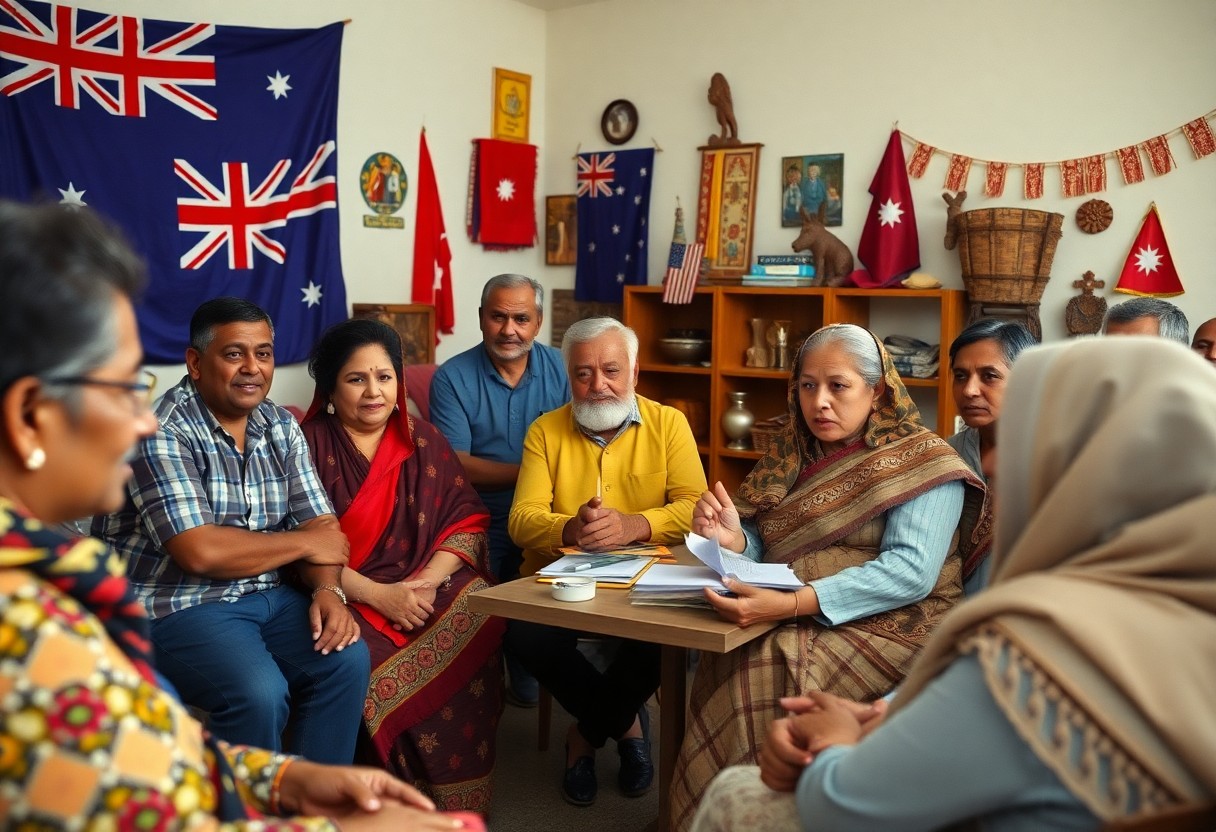
Cultural Integration: Bridging the Age Gap
Migrating to Australia after 40 may present unique cultural integration challenges, yet age should not deter you from embracing new experiences. The key is to actively engage with diverse communities, highlighting your skills and perspectives while fostering relationships that span different age groups. Building connections across ages enhances mutual understanding and enriches your cultural experience, allowing you to feel more at home.
Overcoming Age-Related Stereotypes in Australia
Challenging age-related stereotypes is necessary for your successful integration into Australian society. You may encounter perceptions of older migrants lacking adaptability, yet your life experiences are invaluable. Strategies to overcome these stereotypes include:
- Showcasing your skills through volunteer work and community initiatives.
- Engaging in lifelong learning opportunities, such as workshops and seminars.
- Participating in local events that celebrate diversity and inclusion.
- Creating connections with younger generations, fostering intergenerational relationships.
- Advocating for the value of older migrants in workplace settings.
Perceiving age as an asset rather than a limitation will help reshape the narrative around older migrants in Australia.
.
| Aspect | Detail |
|---|---|
| Social Activities | Join local clubs or groups that align with your interests. |
| Volunteer Opportunities | Consider offering your skills to community organizations. |
| Networking Events | Attend professional gatherings to broaden your connections. |
| Cultural Festivals | Participate in celebrations that allow cultural exchange. |
| Online Communities | Engage in forums and social media groups for support. |
Building Social Networks and Community Connections
Establishing strong social networks is vital to feeling a sense of belonging in Australia. Engaging with local community groups allows you to meet individuals who share your interests and values, creating a support system. This can be achieved through various avenues, including attending events, joining clubs, or seeking out cultural associations that resonate with your background.
Active participation in community activities not only helps you forge genuine connections but also enriches your understanding of Australian culture. Whether it’s through volunteering, attending multicultural festivals, or enrolling in language classes, each opportunity fosters relationships and promotes inclusivity. Example collaborations include partnering with local mentorship programs, which pair you with younger community members, facilitating knowledge exchange and breaking down generational barriers. Make it a priority to immerse yourself in local events, as these experiences empower you to build a diverse and supportive network. Your willingness to engage in these settings will significantly enhance your assimilation and enjoyment of life in Australia.

Personal Development: Embracing Change at Any Age
Making the choice to migrate later in life opens doors to profound personal development. Engaging with new cultures, acquiring new skills, and expanding your worldview fosters resilience and adaptability. These qualities not only enhance your personal life but also bolster your professional prospects in Australia. By embracing change, you cultivate a mindset that thrives on growth, proving that opportunity knows no age limit.
The Importance of Lifelong Learning for Migrants
Lifelong learning serves as a vital tool for migrants navigating new environments. Adapting to Australian lifestyles requires continuous education, whether through formal courses, workshops, or community engagement. Acquiring new skills not only boosts your employability but also helps build confidence and social connections, making integration smoother while enriching your experience in your new home.
Success Stories: Thriving in Australia After 40
Numerous individuals who migrated to Australia after 40 have transformed their lives, proving that age can be an asset. Stories abound of people who transitioned from mid-level careers in Nepal to successfully launching businesses or advancing into leadership roles in Australian companies. For instance, Raj, a former teacher, turned his passion for education into a language tutoring business, finding a thriving niche that also contributed to the local community.
Case studies illustrate the significant achievements of migrants over 40. For example, Sarita, who moved to Australia at 45, enrolled in a community college to upskill in IT. Within two years, she secured a position as a project manager, witnessing a dramatic increase in her income and quality of life. Her journey underscores that a proactive approach to learning and networking can yield remarkable results, facilitating a successful transition into Australian society regardless of age.
To wrap up
Considering all points, it is not too late for you to migrate from Nepal to Australia after age 40. Your age may present some challenges, but various pathways, including skilled migration and family reunion options, are available to you. Additionally, your experience and qualifications can be valuable assets in the Australian job market. Assessing your individual circumstances, exploring different visa options, and seeking professional guidance can significantly enhance your chances of a successful migration. Take proactive steps to pursue your goals, as opportunities for migration still exist regardless of age.
FAQ
Q: Is it possible to migrate to Australia from Nepal after age 40?
A: Yes, it is possible to migrate to Australia after age 40. There are various visa options available that consider individual qualifications, skills, and employment opportunities.
Q: What types of visas are available for those over 40?
A: Options include skilled migration visas, employer-sponsored visas, and family reunion visas. Each visa class has specific criteria that need to be met.
Q: Does age impact the points system for skilled migration?
A: Yes, age does impact the points system. Applicants over 40 may receive fewer points compared to younger candidates, which can affect eligibility for certain skilled visas.
Q: Are there any age exemptions for specific visa categories?
A: Some employer-sponsored visas do offer exemptions regarding age, allowing applicants over 40 to apply if they meet other requirements set by the employer.
Q: How can I improve my chances of migrating post-40?
A: Gaining higher qualifications, improving English language proficiency, and obtaining relevant work experience can enhance your chances of successful migration.
Q: Is it advisable to seek professional migration advice after 40?
A: Yes, consulting with a registered migration agent can provide personalized guidance, helping navigate the complexities of the migration process.
Q: What are the general processing times for visas for applicants over 40?
A: Processing times vary based on the visa category and individual circumstances, but it typically ranges from a few months to over a year. Checking the Department of Home Affairs website for updates is recommended.