
It’s necessary for you to understand the opportunities that the Regional Migration Visa offers for Nepalese workers seeking to start a new life in Australia. This visa path not only facilitates your transition to a thriving economy but also enhances your chances of permanent residency. However, navigating the application process can be complex, and being aware of the specific eligibility requirements and regional employment opportunities is vital to avoid potential pitfalls. By securing this visa, you can access a wealth of possibilities for your career and personal growth.
Key Takeaways:
- The Regional Migration Visa allows skilled workers from Nepal to fill labor shortages in designated regional areas of Australia.
- Eligibility requires the applicant to have a relevant skill and be nominated by an Australian employer or a state/territory government.
- Visa options include the Subclass 491 (Skill – Skilled Work Regional) and Subclass 494 (Skilled Employer Sponsored Regional) visas.
- Applicants must meet English language proficiency requirements, typically through standardized tests.
- A points-based system assesses factors like age, work experience, and education level.
- Regional living conditions may provide a pathway to permanent residency after a specific period.
- Different regions may have varying demands for specific occupations, which should be researched before applying.
Overview of Regional Migration Visa
The Regional Migration Visa is designed to attract skilled workers to Australia’s regional areas, where labor shortages are prevalent. This visa provides a pathway for you to live and work in specific regions, addressing local workforce needs while also enhancing your opportunities for permanent residency.
Definition and Purpose
The Regional Migration Visa is a temporary or permanent visa that permits skilled workers to live and work in designated regional areas of Australia. Its primary purpose is to encourage migration to less populated regions, boosting local economies and providing important services where they are most needed.

Eligibility Criteria
To qualify for the Regional Migration Visa, you must possess relevant work experience, skills in demand, and a positive skills assessment. Additionally, you should be under a specific age limit and meet the English language proficiency requirements to ensure successful integration.
Eligibility for the Regional Migration Visa hinges on several factors. You must hold a valid skills assessment in an occupation listed on Australia’s Skilled Occupation List, which aligns with your qualifications and experience. A minimum of three years of work experience in your nominated occupation is often required, along with achieving a score of at least six on the IELTS or equivalent. Other considerations include age restrictions, typically capping applicants at 45 years, and the need for a nomination from an approved regional employer or a state/territory government. This multifaceted approach ensures that skilled workers not only meet the immediate labor demands but can also contribute effectively to regional communities.

Benefits of Regional Migration Visa for Nepalese Workers
The Regional Migration Visa offers numerous advantages for Nepalese workers, enhancing their opportunity to build a future in Australia. This visa not only facilitates access to untapped job markets in regional areas but also ensures a supportive community environment, which is vital for successful integration. Additionally, it often leads to faster processing times and eligibility for family sponsorship, making it an appealing pathway for migrants seeking stability and growth.
Employment Opportunities
With the Regional Migration Visa, you can access a broad spectrum of employment opportunities in Australia’s regional sectors facing labor shortages. These jobs often offer competitive salaries and the chance to advance in fields like healthcare, agriculture, and technology, which are in high demand. Your skills as a Nepalese worker are highly valued, allowing you to contribute significantly to these communities.
Pathway to Permanent Residency
This visa serves as an effective pathway to permanent residency, enabling you to settle in Australia long-term. After fulfilling specific work requirements, you can transition to permanent residency through the appropriate channels. This stability not only enhances your career prospects but also allows you to establish roots in Australia.
Upon securing the Regional Migration Visa, you have the opportunity to apply for permanent residency after living and working in a regional area for a specified period, usually three years. Demonstrating commitment through ongoing employment and community involvement can strengthen your application, ensuring smooth progress towards achieving Australian citizenship. This pathway significantly enriches your personal and professional journey, opening doors to new experiences and opportunities for you and your family.
Application Process
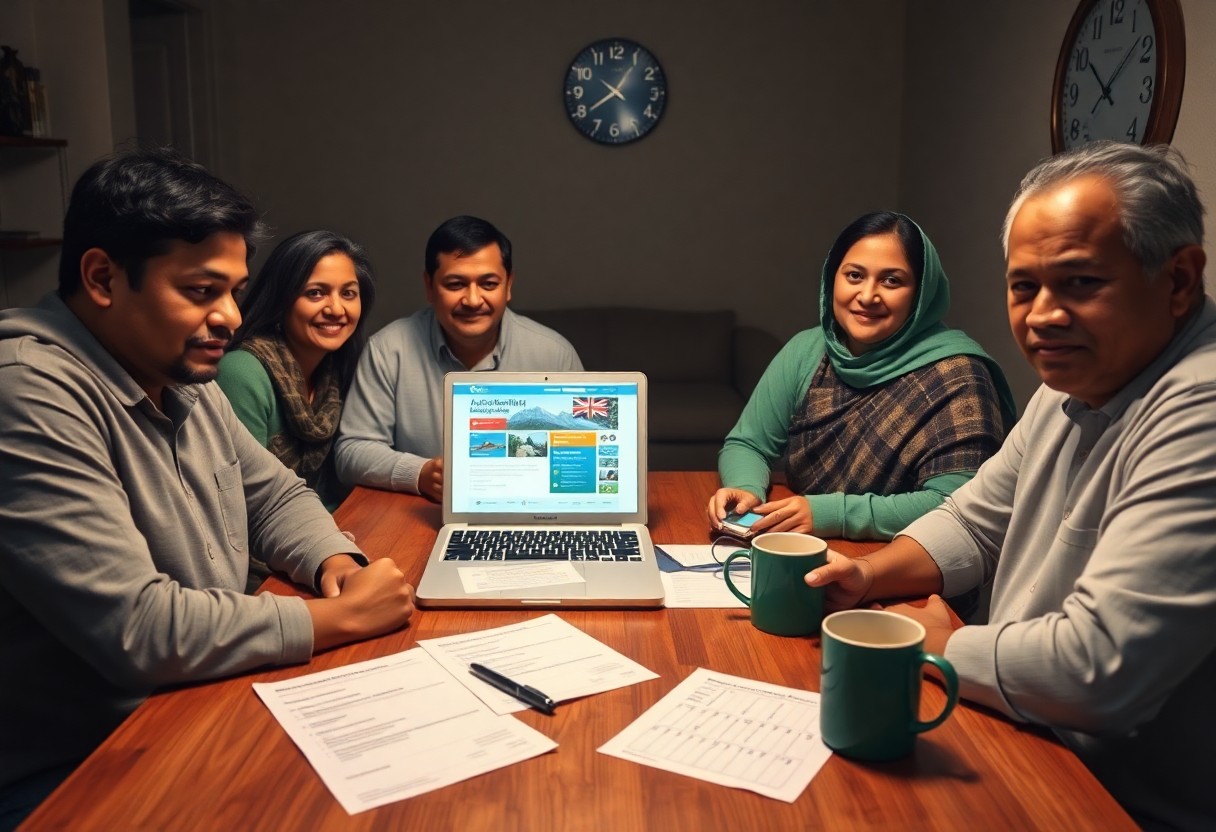
The application process for the Regional Migration Visa involves several key steps, ensuring that you meet the necessary eligibility criteria. You will need to start with a skills assessment to verify your qualifications against Australian standards. Following this, you must submit an expression of interest (EOI) through the SkillSelect system and await an invitation from the Australian government to apply for the visa.
Required Documentation
Your application will require specific documentation to demonstrate your skills and qualifications. Essential documents include a valid passport, evidence of your qualifications and work experience, English language proficiency test results, and a skills assessment report. Additionally, you may need to provide proof of health insurance and character documents, such as police clearances.
Steps to Apply
To apply for the Regional Migration Visa, begin by obtaining a positive skills assessment. Next, lodge your EOI in SkillSelect and receive an invitation to apply. Once invited, complete the visa application form in the specified timeframe, ensuring you attach all required documents. Pay the visa application fee, then await the outcome.
Completing the visa application involves several administrative tasks. After receiving your invitation, ensure you carefully fill out the online application platform, triple-checking for accuracy. Documents should be uploaded as per the guidelines, ensuring they are clear and legible. You may also need to prepare for potential interviews or additional information requests from the Department of Home Affairs to support your application process further.

Common Challenges Faced by Applicants
Applicants often encounter various challenges that can complicate the Regional Migration Visa process. From understanding complex documentation requirements to meeting specific eligibility criteria, these hurdles may lead to delays or rejections. Misinterpretation of regulations and lack of timely communication with authorities are common pitfalls. Additionally, competition for limited spots and regional shortages can increase the stress surrounding your application.
Understanding Visa Regulations
Navigating visa regulations can be daunting, as policies frequently change and vary by region. You need to stay updated on specifics such as application forms, processing times, and required documentation. A clear understanding of your eligibility, including skills assessment and English proficiency requirements, is necessary to avoid any missteps in your application process.
Cultural and Social Adjustments
Adapting to a new cultural environment can pose unique challenges. You may experience cultural shock, particularly if your background significantly differs from Australian customs and social norms. Establishing a supportive network and participating in community activities can ease this transition.
Cultural and social adjustments in Australia require openness and flexibility. You’ll encounter different communication styles, social etiquette, and workplace dynamics, which may contrast with experiences in Nepal. For instance, direct communication is often valued in Australia, while some cultures prioritize indirect approaches. Engaging with local communities and taking part in cultural exchange activities can foster better understanding and integration. Building relationships through social networks or community groups not only helps you feel more at home but also enhances your overall experience in this new environment.
Support Services for Nepalese Workers
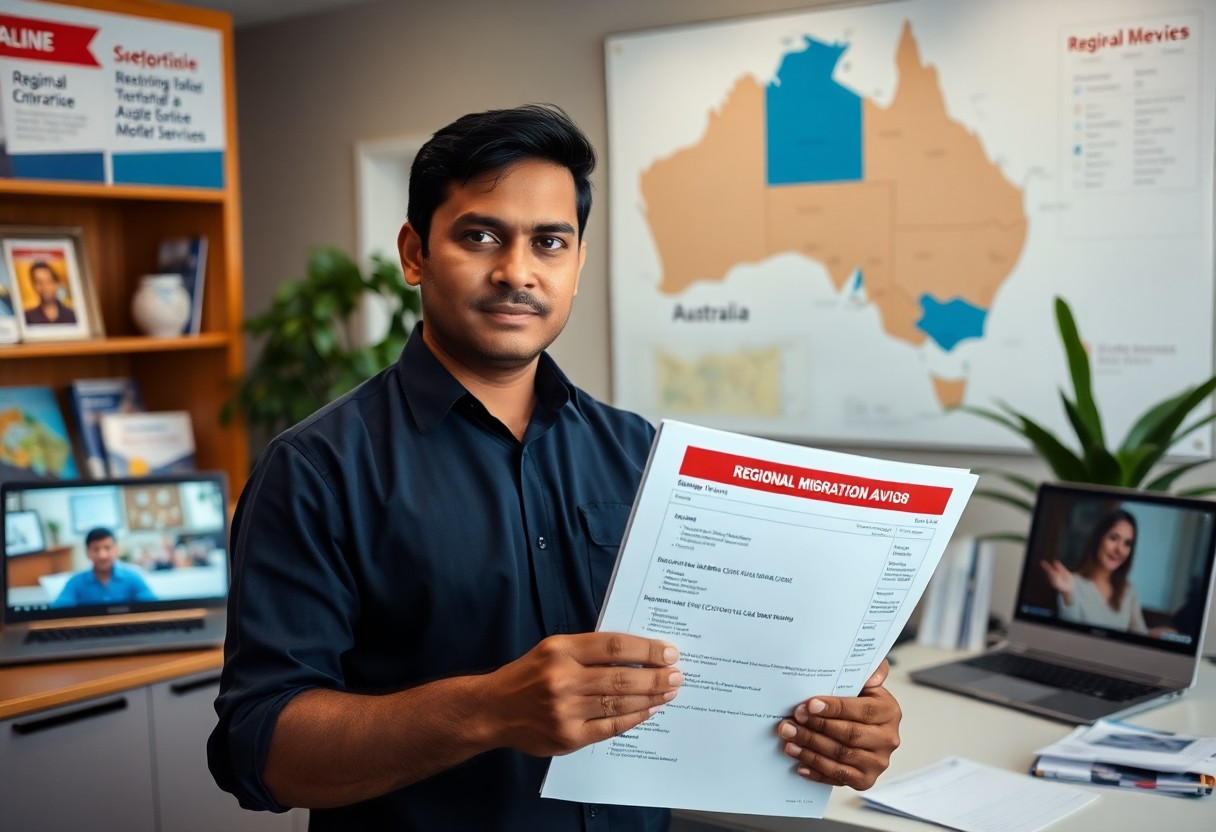
Accessing support services can significantly enhance your experience while migrating to Australia. Various organizations offer specialized resources tailored to the needs of Nepalese workers, ensuring ease of transition and helping you navigate the complexities of settling in a new country.
Community Organizations
Numerous community organizations provide vital support to Nepalese migrants. These groups foster cultural connections, organize social events, and create networks that facilitate integration into Australian society. Engaging with these organizations can help you find job opportunities and settle into your new community more comfortably.
Legal Assistance
Legal assistance is a key resource for addressing visa-related issues and understanding your rights as a migrant worker. Various legal aid organizations are available to help navigate the complexities of immigration law, offering guidance on applications, appeals, and compliance with Australian regulations.
Accessing legal assistance can empower you to tackle any challenges that arise during your visa process. Organizations like the Refugee Advice and Casework Service (RACS) offer free or low-cost legal support specifically for migrants, ensuring you are well-informed about your rights and obligations. Engaging with legal professionals can also help prevent misunderstandings that may lead to complications or delays in your application process, increasing the chances of a successful outcome.
Case Studies
Case studies illustrate the diverse experiences and outcomes of Nepalese workers under the Regional Migration Visa program. Each story highlights unique journeys, offering insights into the impact of this visa on individuals and their families.
- Case Study 1: Rajesh, a 28-year-old software engineer, secured a visa within 8 months, leading to a job in Sydney with an annual salary of $85,000.
- Case Study 2: Sita, a nurse, received her visa approval in just 6 months, enhancing her career development prospects in Queensland, earning $75,000 a year.
- Case Study 3: Mohan, a chef, faced delays due to documentation issues but eventually succeeded, landing in Melbourne with a starting salary of $70,000.
- Case Study 4: Anisha, a construction worker, obtained her visa and found employment in Western Australia, making $65,000 per year.
Success Stories
Success stories exemplify the transformative potential of the Regional Migration Visa program. Individuals like Rajesh and Sita not only secured stable employment but also witnessed personal growth, contributing positively to Australian society and building a future for their families.
Lessons Learned
Valuable lessons emerged from the experiences of Nepalese migrants. Understanding documentation requirements and seeking advice early in the process significantly affected outcomes. Building a network of support within the community proved crucial for navigating challenges and accessing job opportunities.
The experiences of Nepalese workers highlight that thorough preparation is key to a seamless migration process. Fulfilling visa requirements and utilizing available resources, including mentorship programs and local community groups, can greatly enhance your chances of success. Moreover, maintaining resilience in facing setbacks and learning from these challenges allows for growth and adjustment, ultimately leading to a more fulfilling settlement in Australia.
Summing up
Upon reflecting on the Regional Migration Visa in Australia for Nepalese workers, you should recognize the significant opportunities it presents for enhancing your career and quality of life. By engaging with the visa requirements and understanding regional needs, you can strategically position yourself for success in Australia’s labor market. This initiative not only fosters your professional growth but also contributes to the economic development of regional areas, making it a mutually beneficial endeavor for you and the Australian community.
FAQ
Q: What is the Regional Migration Visa for Nepalese workers in Australia?
A: The Regional Migration Visa allows skilled workers from Nepal to live and work in designated regional areas of Australia, contributing to the local economy and addressing skill shortages.
Q: What are the eligibility requirements for the Regional Migration Visa?
A: Applicants must have a relevant skills assessment, meet English language proficiency requirements, be under the age limit set for the visa, and have a job offer or sponsorship from an approved Australian employer in a regional area.
Q: How long can holders of the Regional Migration Visa stay in Australia?
A: Holders can stay in Australia for up to five years, with the possibility to apply for permanent residency after fulfilling certain conditions, such as residing and working in the designated regional area for at least three years.
Q: Can family members accompany the applicant on the Regional Migration Visa?
A: Yes, eligible family members can join the visa holder, including partners, dependent children, and other dependents, provided they meet the necessary requirements.
Q: What types of jobs qualify for the Regional Migration Visa?
A: Jobs must be listed on the relevant Skilled Occupation List for regional Australia. Common sectors include healthcare, engineering, agriculture, and hospitality.
Q: How does the application process for the Regional Migration Visa work?
A: The process generally involves gathering necessary documents, submitting an Expression of Interest (EOI) through SkillSelect, receiving an invitation to apply, and then completing the visa application online.
Q: Are there any fees associated with the Regional Migration Visa application?
A: Yes, there are application fees that vary depending on the specific visa subclass. Additional costs may include health assessments, skills assessments, and English tests.