
Many Malaysians dream of a better life in Australia, and applying for skilled migration can be a pathway to achieve that goal. You need to understand the step-by-step process, including crucial qualifications, application requirements, and potential pitfalls. By ensuring your skills and experience align with Australia’s demand, you can increase your chances of a successful application. In this blog post, we will guide you through the necessary steps and offer valuable tips on how to navigate the skill assessment, visa types, and more.
Key Takeaways:
- Understand the eligibility criteria for skilled migration, including age, qualifications, work experience, and language proficiency.
- Research the specific skilled occupation lists to identify if your profession is in demand in Australia.
- Consider applying for a points-based visa, such as the Skilled Independent Visa (subclass 189) or the Skilled Nominated Visa (subclass 190).
- Prepare required documentation, including skills assessments from relevant Australian authorities and proof of English language proficiency.
- Utilize the services of a registered migration agent to navigate the complexities of the application process effectively.
- Stay informed about changes in Australian immigration policies that may impact skilled migration pathways.
- Be ready for potential state and territory requirements if applying for a state-sponsored visa, as they may have additional criteria.
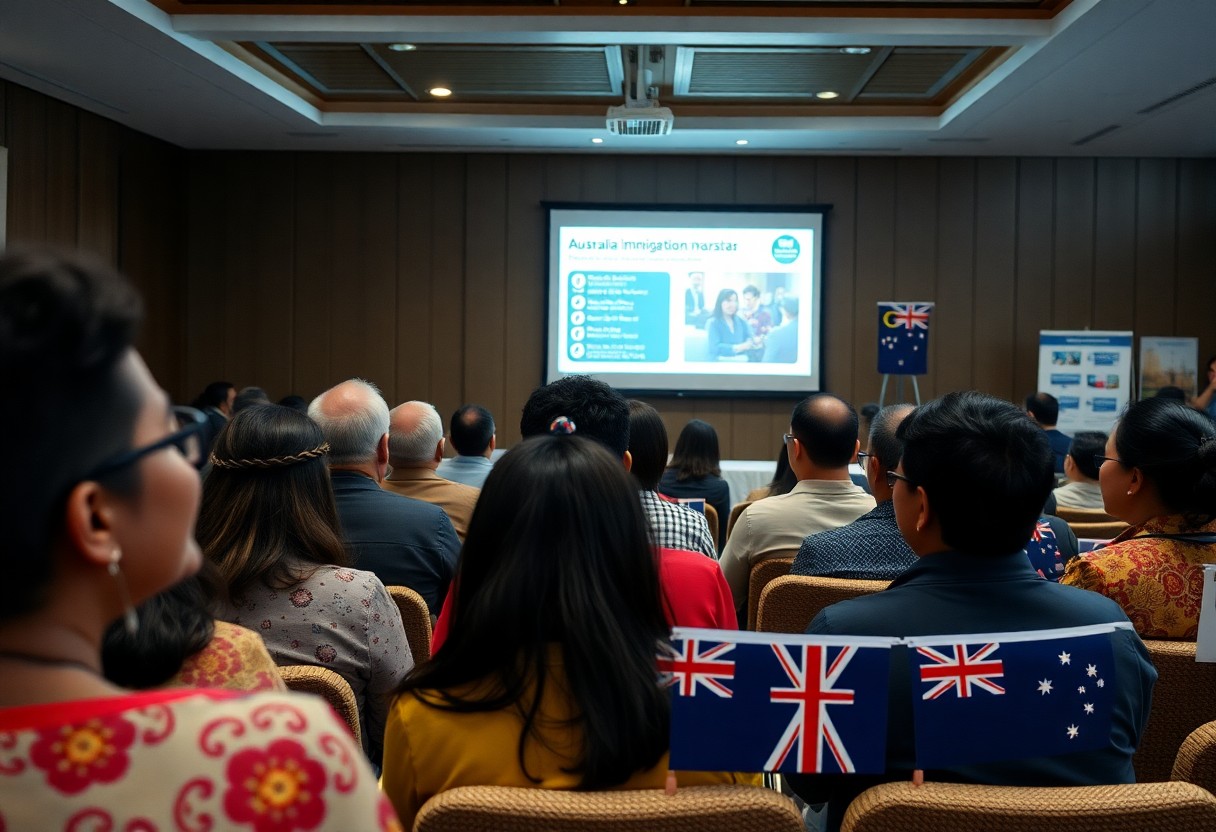
Navigating Australia’s Immigration Policies for Skilled Workers
Australia’s immigration policies are designed to attract skilled workers whose qualifications and occupations meet the country’s labor market demands. As you initiate on your application journey, familiarize yourself with regulations and requirements that govern skilled migration. The Department of Home Affairs provides comprehensive resources, ensuring you’re aware of the processes involved, including visa options, documentation costs, and timelines. Being informed will increase your chances of successfully obtaining a visa and integrating into the workforce.

Key Eligibility Criteria for Skilled Migration
To qualify for skilled migration to Australia, you must meet several key eligibility criteria. This typically includes holding a relevant qualification, possessing work experience in your occupation, and achieving a minimum score on the English language proficiency tests. Additionally, your occupation must be listed on Australia’s Skilled Occupation List (SOL) to ensure that the skills you possess are in demand within the country.
Understanding Points-Based System and Occupation Lists
The points-based system is integral to assessing your eligibility for skilled migration, awarding points for factors such as age, education, work experience, and English language proficiency. Each of these factors contributes to your overall score, which must meet or exceed the threshold for your visa subclass. Additionally, your occupation should align with one from Australia’s official occupation lists, which includes the Skilled Occupation List (SOL) and the Consolidated Skilled Occupation List (CSOL). These lists are updated regularly to reflect labor market needs.

For the points-based system, age is a significant factor; applicants aged between 25 and 32 typically score the highest. You will receive more points for higher-level qualifications and relevant work experience, particularly in areas of skill shortage. It’s also vital to check the current occupation lists as they often change due to market demands. Occupations in high demand can provide pathways to more opportunities, so ensure that your skills match what Australia needs. Staying updated with changes to these lists can enhance your chances of a successful application.

Essential Steps for Malaysians: From Application to Visa Grant
Successfully applying for skilled migration to Australia requires careful attention to detail. You need to follow a series of steps, starting from assessing your eligibility and compiling your documents, to submitting your online application and waiting for your visa grant. Each step is interconnected and crucial for ensuring your application stands strong, presenting you as a valuable addition to Australia’s workforce.
Compiling Required Documentation
Gathering the necessary documents is foundational when applying for skilled migration. You must prepare proof of identity, educational qualifications, work experience, and skill assessment results. Ensure that your documents are up to date and translated into English if needed. A comprehensive checklist can help you avoid common pitfalls, ensuring you don’t overlook any important documentation.
Submitting Online Applications: A Step-by-Step Guide
The online application process is designed to be user-friendly yet thorough. Start by creating an ImmiAccount on the Australian immigration website. From there, you can fill out your application form, pay the necessary fees, and upload your documents. Make sure to double-check all information for accuracy before submission. Once your application is submitted, you will receive a confirmation via email.
| Step | Description |
| 1. Create an ImmiAccount | Register on the Australian immigration website for online applications. |
| 2. Complete Application Form | Fill out the required fields, providing accurate information about your qualifications. |
| 3. Pay Fees | Submit the applicable fees as part of your application process. |
| 4. Upload Documentation | Attach all required documents supporting your application. |
| 5. Submit Application | Confirm that all details are correct, then submit your application to the immigration department. |
Submitting your online application is a straightforward process, but attention to detail is critical. Ensure that every piece of information you provide is precise and aligns with your documents. Inaccuracies can lead to delays or even rejection. After submission, monitor your ImmiAccount for updates and any requests for additional information from the immigration office. Staying proactive and responsive during this stage can significantly enhance your chances of a smooth visa grant process.
Aligning Skills with Australian Market Demands
To successfully migrate as a skilled worker, aligning your skills with the needs of the Australian job market is imperative. Understanding market demands ensures that your qualifications and experience will not only meet visa requirements but also enhance your employability in Australia. This alignment requires thorough research into the occupations that are in high demand and the geographic regions that offer plentiful opportunities.
Researching In-Demand Occupations and Regions
Analyzing in-demand occupations and regions will give you a clearer picture of where your skills will be most valuable. The Australian government maintains a list of Occupations in Demand that can guide your research. For example, sectors such as healthcare, engineering, and information technology have consistently shown a strong demand for skilled professionals. Identifying specific regions, such as Melbourne or Brisbane, where these jobs are plentiful can further enhance your chances of successfully migrating.
Skills Assessments: What You Need to Know
Skills assessments verify that your qualifications and experience meet Australian standards for a particular occupation. This step is typically conducted by a relevant assessing authority, which might vary depending on your profession. For example, engineers may have their credentials evaluated by Engineers Australia, whereas health professionals will engage with the Australian Health Practitioner Regulation Agency.
Your skills assessment should align precisely with your nominated occupation, ensuring that you’ve completed the necessary education and possess the relevant work experience. Usually, this involves submitting documentation such as your educational qualifications, work reference letters, and sometimes, passing an examination or interview. Pay close attention to the specific requirements of the assessing authority, as failure to provide accurate information can lead to significant delays or even denial of your application. Prepared documents will streamline the process, so researching these requirements well in advance of your application is advisable.

Common Pitfalls and How to Avoid Them
Many applicants overlook key details that can lead to delays or rejections. Ensuring you have all documents prepared, properly certified, and submitted within deadlines is vital. Engaging an accredited migration agent can help to sidestep these challenges, as they provide invaluable guidance tailored to your unique situation. Familiarizing yourself with the requirements and processes can significantly improve your chances of success and help you avoid significant setbacks.
Frequently Made Mistakes in the Application Process
Inaccuracies in your application details, such as misspelled names or incorrect dates, can be detrimental. Submitting insufficient supporting documents or failing to obtain the required qualifications also leads to denial. It’s crucial to double-check every section of your application and verify the authenticity of your documentation to mitigate risks of rejection.
Misconceptions About Migration and Settlement
Many individuals mistakenly believe that obtaining a skilled visa guarantees immediate job placement and permanent residency in Australia. In reality, securing employment depends largely on your network, qualifications, and the current job market conditions. Additionally, successful settlement involves navigating cultural differences and adjusting to a new lifestyle, which can be more complex than anticipated.
Understanding these misconceptions is vital as they can shape your expectations. For instance, many assume universities or employers will automatically recognize their qualifications; however, this often requires additional validation or bridging courses. Others may think financial resources will suffice for a stress-free transition, but the emotional adjustment and potential isolation can also pose challenges. Recognizing these factors prepares you for a smoother migration experience and enables a more informed decision-making process.
Resources and Support for Aspiring Migrants
As you commence on your journey for skilled migration to Australia, having access to the right resources and support can make all the difference. Various organizations, both governmental and non-profit, offer tailored assistance, guidance, and insights that can help you navigate the often complex immigration process more effectively. These resources will ensure that you are well-prepared, informed, and equipped to tackle every aspect of your migration journey with confidence.
Government and Non-Profit Assistance Programs
Australia’s Department of Home Affairs provides imperative information and resources through its official website, including guidelines on visa options, application processes, and eligibility criteria. Additionally, non-profit organizations, such as the Migrant Resource Centre (MRC) and Settlement Services International (SSI), offer support services, including community integration programs, job search assistance, and legal advice to migrants. Engaging with these services can provide vital support that eases your transition to life in Australia.
Professional Migration Agents: When and How to Seek Help
Choosing to work with a professional migration agent can significantly enhance your application process, especially if you’re feeling overwhelmed by the regulations and paperwork involved. These agents are registered and trained to provide expert advice based on your individual circumstances, and they can assist in preparing your application to meet all requirements. Before hiring an agent, ensure they are accredited by the Migration Agents Registration Authority (MARA) and have a good track record with past clients.
Professional migration agents not only help in filling out complicated forms but also play a vital role in preparing your document checklist, ensuring compliance with Australian immigration law. If your situation is particularly complex—for instance, you have a criminal record or health issues—an agent can offer specialized guidance and potentially avoid costly mistakes. Their experience means they often have insights into current immigration trends that can influence your strategy. Reach out to several agents to discuss your needs and explore options before making a commitment, ensuring you find someone who aligns with your goals and understands your unique situation.
To wrap up
Now that you understand the process of applying for skilled migration to Australia, you can take the necessary steps to enhance your eligibility. Ensure you assess your qualifications and experience according to the relevant Australian standards, gather all required documentation, and prepare for the skills assessment. By following the outlined pathways, such as the Skilled Independent visa or employer-sponsored options, you can position yourself to successfully make the transition to Australia. Stay informed about policy changes and seek advice if needed, ensuring you navigate the application process confidently.
FAQ
Q: What is skilled migration to Australia?
A: Skilled migration to Australia refers to the process by which individuals with specific skills or qualifications can apply for a visa that allows them to live and work in Australia permanently. The aim of this program is to attract skilled workers who can fill labor shortages and contribute to the Australian economy.
Q: What are the eligibility requirements for Malaysians applying for skilled migration?
A: To be eligible for skilled migration to Australia, Malaysians must meet certain criteria, including holding a relevant qualification or work experience in an occupation listed on Australia’s Skilled Occupation List (SOL). Additional factors such as age, English language proficiency, and health and character assessments also influence eligibility.
Q: How do I determine if my occupation is on the Skilled Occupation List?
A: You can find the Skilled Occupation List by visiting the official Australian Government Department of Home Affairs website. This list is regularly updated and outlines which occupations are currently in demand. You can search for your specific occupation to check its status and related requirements.
Q: What steps do I need to take to apply for a skilled migration visa?
A: The skilled migration process involves several steps, including:
1. Assessing your skills through an appropriate assessing authority.
2. Completing an Expression of Interest (EOI) via the SkillSelect system.
3. Receiving an invitation to apply for a visa if you meet the threshold points score.
4. Submitting your visa application along with required documents and fees.
5. Completing health and character assessments as per requirements.
Q: How is the points system calculated for skilled migration?
A: The points system for skilled migration assesses candidates based on various factors like age, English language proficiency, employment experience, education, and other qualifications. Each factor contributes a certain number of points, and applicants must meet a minimum points threshold to be considered for migration.
Q: What English language proficiency tests are accepted for skilled migration?
A: Australia accepts several English language proficiency tests, including the International English Language Testing System (IELTS), Test of English as a Foreign Language (TOEFL), and Pearson Test of English (PTE). The scores required vary depending on the visa subclass and occupation. It’s recommended to check the specific requirements for your chosen visa.
Q: How long does the skilled migration process take?
A: The duration of the skilled migration process can vary significantly based on several factors, including the complexity of the application, the specific visa subclass, and how quickly applicants can provide required documentation. Generally, it can take anywhere from a few months to over a year to complete the entire process from the initial assessment to obtaining a visa.