
Skills assessment is a vital step in your journey towards obtaining Australian permanent residency. In the Philippines, the process can seem daunting, but with the right information, you can navigate it successfully. You will need to gather your qualifications, work experiences, and other relevant documents to ensure your application is comprehensive. Failing to submit the correct paperwork can lead to delays or even rejection, so it’s vital to pay attention to details. This guide will provide you with step-by-step instructions to help you achieve a positive outcome in your skills assessment process.
Key Takeaways:
- Identify your occupation and ensure it is on the relevant Skilled Occupation List for Australia.
- Choose the appropriate assessing authority based on your occupation and the Australian visa category you are targeting.
- Gather all necessary documentation, including proof of qualifications, work experience, and any additional certifications required by the assessing authority.
- Submit your application along with the required fees and wait for the assessment outcome, which may take several weeks.
- Be prepared to provide additional information or documents if requested by the assessing authority during the evaluation process.
- Plan ahead and stay updated on assessment requirements and procedures as they may change over time.
- Consider seeking help from migration agents or consultants who specialize in skills assessment for Australian PR for guidance and support.

Decoding the Skills Assessment Process
The skills assessment process involves a comprehensive evaluation of your qualifications and work experience to determine if they meet Australian standards for your nominated occupation. To successfully navigate this process, you will need to submit various documents, including educational transcripts, employment evidence, and a detailed CV. Expect timelines for this process to vary, often spanning several weeks to a few months, depending on the assessing authority and the completeness of your application. The outcome plays a pivotal role in your overall application for permanent residency.

Key Authorities and Their Role in Australian Immigration
The assessing authorities for skills assessment are designated organizations that evaluate qualifications and work experience in specific occupations. For example, Engineers Australia assesses engineering qualifications, while the Australian Computer Society evaluates IT professionals. Each authority operates under guidelines set by the Australian government, ensuring that your skills align with the labor market needs. Their determination influences your eligibility for the General Skilled Migration program.
Understanding the Skill Assessment Criteria for Various Professions
Each profession has unique skill assessment criteria tailored to its specific requirements. For instance, professionals in engineering may need to provide evidence of practical experience and licensure, while healthcare workers often must demonstrate adherence to stringent regulatory standards. Comprehensive guidelines can typically be found on the website of the relevant assessing authority, detailing necessary qualifications, types of work experience accepted, and specific formats for documentation. Familiarizing yourself with these requirements ensures that you prepare a strong application tailored to your profession, significantly improving your chances of successful assessment.

Pre-Assessment Preparation: A Checklist for Success
To boost your chances of a successful skills assessment for Australian PR, careful preparation is key. Following a structured checklist can significantly streamline the process. Identify specific requirements for your nominated occupation, familiarize yourself with the assessing authority’s guidelines, and ensure all necessary documentation is organized. This proactive approach lays a solid foundation for your assessment and mitigates potential delays.
Gathering Essential Documents and Qualifications
Start by compiling all relevant academic, professional, and identification documents. This includes your educational transcripts, credentials, and proof of professional experience. Gather copies of your diploma, licenses, and any additional certifications that validate your qualifications. Additionally, include references from employers and colleagues that can attest to your skills and contributions.
Crafting an Effective CV and Professional Summary
Your CV and professional summary serve as the first impression you’re making on the assessing authority. Highlight your relevant skills, work history, and accomplishments concisely and clearly. Focus on quantifiable achievements that showcase how you’ve excelled in your field. Tailoring your CV to align with the requirements of your nominated occupation will not only enhance its effectiveness but also convey your commitment and suitability for the role.
In crafting your CV, aim for a format that is clean and professional. Use bullet points to improve readability and ensure that each section is logically organized. Address your work experience in reverse chronological order, emphasizing the skills required for the assessment. Tailor your professional summary to reflect the strengths relevant to your industry and targeted skills assessment, thus providing a compelling narrative about your career trajectory. The power of a well-prepared CV can greatly influence the assessment outcome.
Navigating the Application Maze: Your Step-by-Step Guide
Successfully securing a skills assessment for Australian PR involves meticulous attention to detail and adherence to the process. This step-by-step guide provides a clear pathway, ensuring you confidently navigate the complex requirements and submit a strong application.
| Steps | Details |
|---|---|
| 1. Choose the Right Assessing Authority | Identify the relevant authority for your occupation and understand their specific criteria. |
| 2. Gather Required Documents | Compile all necessary documents, including academic qualifications and work experience as per the authority’s requirements. |
| 3. Complete the Application Form | Fill out the application form accurately, ensuring all information matches supporting documents. |
| 4. Pay the Application Fee | Be ready to pay the fees associated with the assessment, which vary by authority. |
| 5. Submit Your Application | Send your completed application and supporting documents to the assessing authority. |
| 6. Await Results | Monitor the status of your application and be prepared for additional requests for information. |
Submitting Your Skills Assessment Application
Your skills assessment application submission must be precise and complete. Double-check that all required documents are included. Submitting incomplete applications can lead to delays. Ensure that your application form is filled out accurately and that the attached documents clearly demonstrate your qualifications and relevant work experience. This attention to detail will increase your chances of a successful assessment.
Common Pitfalls to Avoid During the Application Process
Falling into common traps during your application can jeopardize your skills assessment. Issues such as submitting incorrect documentation, failing to meet specific criteria from your assessing authority, or not properly authenticating your documents can result in rejections or significant delays. Avoid these mistakes by closely following the guidelines provided and ensuring thorough verification of all materials before submission.
One prevalent mistake is neglecting to verify the specific requirements of your assessing authority. Each authority has different documentation protocols and criteria. For instance, while some may require a detailed employment letter outlining your duties, others may not. Additionally, many applicants overlook the need for certified translations for non-English documents, leading to automatic refusals. Prepare by researching your authority’s criteria thoroughly and tapping into resources such as forums or consultancy services that provide insights based on real experiences. Taking the time to understand these nuances can save you considerable time and frustration later.

Timelines and Expectations: What to Anticipate
Understanding the timelines associated with your skills assessment is integral to effective planning. The process can vary significantly based on various factors such as the assessing authority and your specific occupation. Generally, you’ll want to allow ample time for potential setbacks, ensuring you remain realistic about the entire process duration.
Typical Processing Times and Factors That Affect Them
Processing times for skills assessments can range from two weeks to several months. Factors influencing these durations include the complexity of your documentation, the current volume of applications at the assessing organization, and the specifics of your occupation. Additionally, applications that lack necessary information or require further evidence often take longer. The variations can lead to unexpected waiting periods, making patience vital.
- Assessing authority: Different organizations have different processing times.
- Occupation demand: High-demand occupations may see quicker processing.
- Documentation quality: Complete and well-prepared applications generally move faster.
Recognizing these factors can help you manage your expectations and prepare for delays more effectively.
Strategies for Managing Waiting Periods Effectively
While waiting for your skills assessment results, use the time productively. Engage in upskilling, which not only enhances your qualifications but also elevates your appeal during the application process. Network with professionals in your field to gather insights about job opportunities and industry trends. Additionally, research further requirements for your future Australian immigration steps to stay ahead.
Building on effective strategies during the waiting period ensures you stick to your goals. Consider enrolling in online courses or workshops related to your profession, further qualifications can give you a competitive edge. Take this opportunity to connect with others who are in similar situations, as sharing experiences can be both motivating and informative. Starting a blog or joining forums focused on Australian immigration can also help you stay informed about any changes or updates in the assessment process. By maximizing your waiting period, you’ll be better prepared for the next steps in your journey toward securing Australian PR.
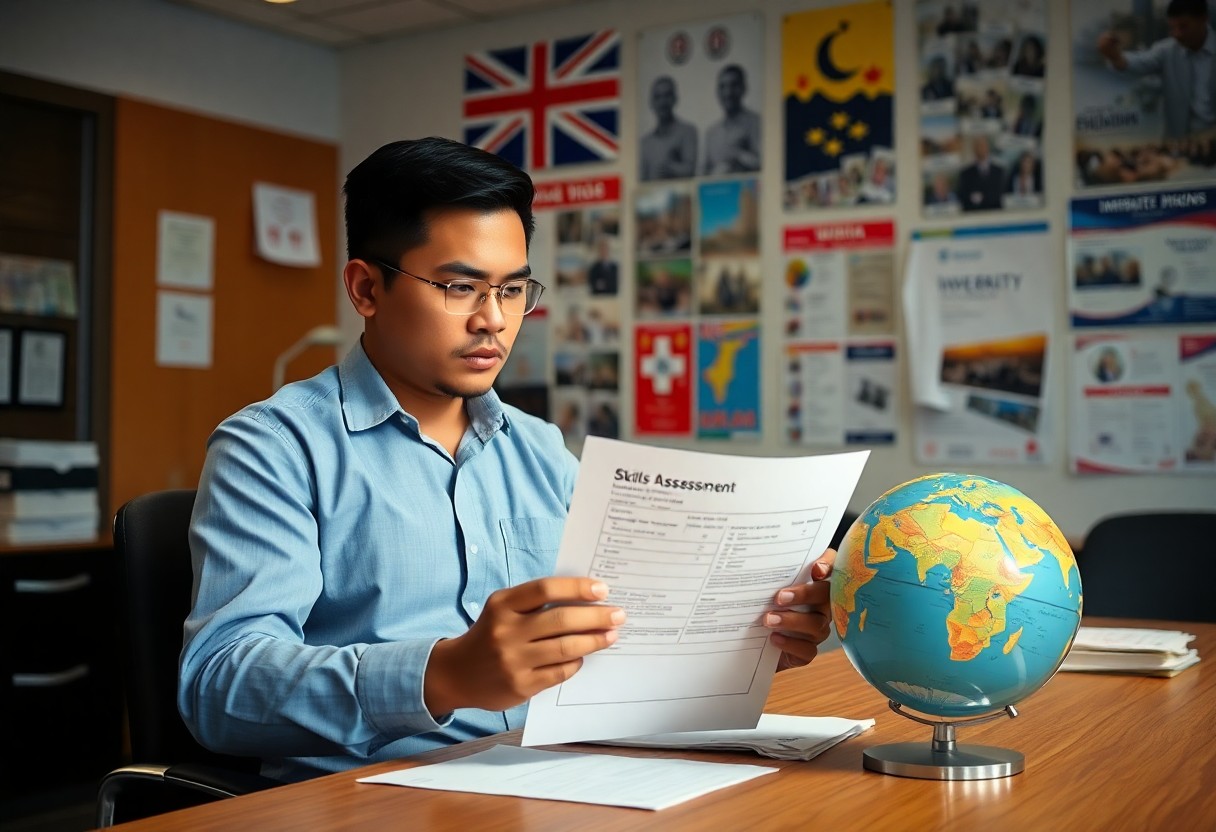
The Aftermath: Interpreting Your Results and Next Steps
Once you receive your skills assessment results, the next steps can significantly impact your Australian PR journey. Understanding the outcome is fundamental, whether it’s positive, negative, or requires further action. Take time to evaluate what these results mean for your eligibility, as this will guide you in planning your subsequent actions effectively.
Understanding Your Assessment Outcome
Your assessment outcome can either pave the way for your PR application or present obstacles. A positive result affirms that your qualifications and experience meet Australian standards, enabling you to proceed with confidence. Conversely, if your assessment is negative, examine into the reasons provided and consider potential steps for reevaluation or obtaining additional qualifications or experience.
Planning the Next Phase of Your Australian PR Journey
Crafting a clear action plan after receiving your assessment outcome is imperative. Depending on whether your results are favorable or require improvement, explore various pathways to enhance your application. This might involve securing recognized qualifications, gaining relevant work experience, or even applying for other visa categories as per your specific situation.
For instance, if your assessment is positive, it’s beneficial to gather supporting documents for your visa application right away. On the other hand, if additional qualifications are needed, research suitable courses or training programs that align with your career goals. Collaborating with migration agents can offer valuable insights into the most effective strategies based on your assessment results. Being informed and proactive creates a solid foundation for your submission, increasing your chances of success in the PR process.
Conclusion
Presently, obtaining a skills assessment in the Philippines for Australian PR involves several key steps, including verifying your qualifications, selecting the appropriate assessing body, and gathering necessary documentation. You should stay informed about the specific requirements and procedures of your chosen assessing authority, as these can vary based on your occupation. By diligently preparing your application and ensuring that all documents are accurate and complete, you can improve your chances of a successful skills assessment, paving the way for your migration journey to Australia.
FAQ
Q: What is a skills assessment and why is it necessary for Australian PR?
A: A skills assessment is an evaluation process that determines whether your skills, qualifications, and work experience meet the standards required for your nominated occupation in Australia. It is necessary for Australian PR as it validates your eligibility for different visa pathways, ensuring that you possess the capabilities needed to contribute effectively to the Australian workforce.
Q: Which organizations are responsible for skills assessment in the Philippines?
A: In the Philippines, the relevant organizations depend on the occupation you are nominating. Common assessing authorities include the Australian Institute of Management (AIM), Engineers Australia, and the Australian Computer Society (ACS), among others. Each of these bodies has specific guidelines and procedures for assessing qualifications and work experience.
Q: How do I start the skills assessment process?
A: To begin the skills assessment process, you must first gather all required documents, including your educational qualifications, work experience letters, and identification. Then, visit the website of the relevant assessing authority for your nominated occupation, create an account, and submit your application along with the necessary documentation. Ensure that all documents are in the required format to avoid delays.
Q: What documents are typically needed for the skills assessment?
A: The documents required can vary by assessing authority but generally include your diploma or degree certificates, transcripts of records, proof of employment (like employment certificates), a comprehensive resume, and identification such as a passport. Some authorities may also require evidence of professional registration, licenses or similar qualifications. It is important to verify the specific requirements for your selected assessing body.
Q: How long does the skills assessment process take?
A: The duration of the skills assessment process can vary based on the assessing authority and the complexity of your application. Typically, it can take anywhere from a few weeks to several months. It is advisable to consult the website of your relevant assessing authority for estimated processing times and to ensure your application is complete to avoid unnecessary delays.
Q: What if my skills assessment is unsuccessful?
A: If your skills assessment is unsuccessful, you will receive detailed feedback outlining the reasons for the assessment outcome. You may consider taking steps to address the deficiencies mentioned, such as gaining additional work experience or enhancing your qualifications. You can reapply after you have made the necessary improvements, but be sure to thoroughly review and understand what is required prior to reapplication.
Q: Is there any support available for completing the skills assessment?
A: Yes, there are several resources available to assist you with the skills assessment process. You can seek guidance from immigration consultants or education agencies that specialize in Australian immigration procedures. Additionally, online forums and community groups may provide shared experiences and advice from individuals who have successfully completed their skills assessments. However, it is vital to choose reputable sources to ensure clarity and accuracy in the information you receive.