
You need to be aware of the changing landscape of Permanent Residency (PR) eligibility for Indian commerce graduates in 2025. Your academic achievements and work experience will play a significant role in obtaining PR, with specific qualifications being preferred by various countries. Ensure you stay informed about the requirements and processes set by immigration authorities, as these can influence your opportunities abroad. Understanding these details can greatly enhance your chances of successfully transitioning into a new chapter of your life.
Key Takeaways:
- Indian Commerce graduates can apply for permanent residency (PR) in various countries based on specific immigration policies.
- Eligibility criteria often include educational qualifications, work experience, and language proficiency.
- Popular countries for PR include Canada, Australia, and New Zealand, each with distinct requirements.
- Graduates should focus on skill assessment and gathering necessary documentation for the application process.
- Programs like Express Entry (Canada) or Skilled Migration (Australia) may favor commerce graduates with in-demand skills.
- Continuous changes in immigration laws may affect eligibility; staying updated is necessary.
- Networking and professional affiliations can enhance job prospects and support PR applications.
The Evolving Landscape of PR in Canada
The landscape for Permanent Residency (PR) in Canada is rapidly changing, influenced by economic needs and demographic shifts. Recent trends indicate a push toward retaining international graduates, particularly in sectors experiencing labor shortages. The Canadian government’s increasing focus on attracting skilled professionals, including Indian Commerce graduates, reflects its commitment to addressing these gaps while promoting diversity. Enhanced pathways for PR, along with initiatives such as Express Entry and Provincial Nominee Programs, offer you more opportunities than ever to secure your place in Canada.
Current PR Policies Affecting Indian Graduates
Current PR policies in Canada favor skilled workers and international graduates, with points awarded based on education, work experience, and language proficiency. Specifically, the Canadian Experience Class allows you to transition from a temporary worker or student to permanent residency if you’ve gained qualifying Canadian work experience. Initiatives like the Post-Graduation Work Permit (PGWP) enable you to work after graduation, increasing your chances of qualifying for PR pathways.

Future Projections for 2025
By 2025, the demand for skilled labor in Canada is expected to significantly rise, especially in commerce-related fields. Consequently, policies may evolve to streamline the PR process further for graduates like you. The government is likely to introduce incentives that reward specific skill sets and sectors, potentially increasing quotas for international graduates. Enhanced provincial nominee programs may cater to localized needs, providing tailored pathways for Indian graduates to integrate into the workforce.
As the Canadian job market adapts, particularly toward digital and green economies, sectors such as finance, data analysis, and sustainability may see increased opportunities. Ongoing developments in immigration policy will likely create focused programs that align with these economic trends, simplifying your pathway to residency. Staying informed about such changes will enable you to take timely action and make the most of your qualifications in this evolving landscape.

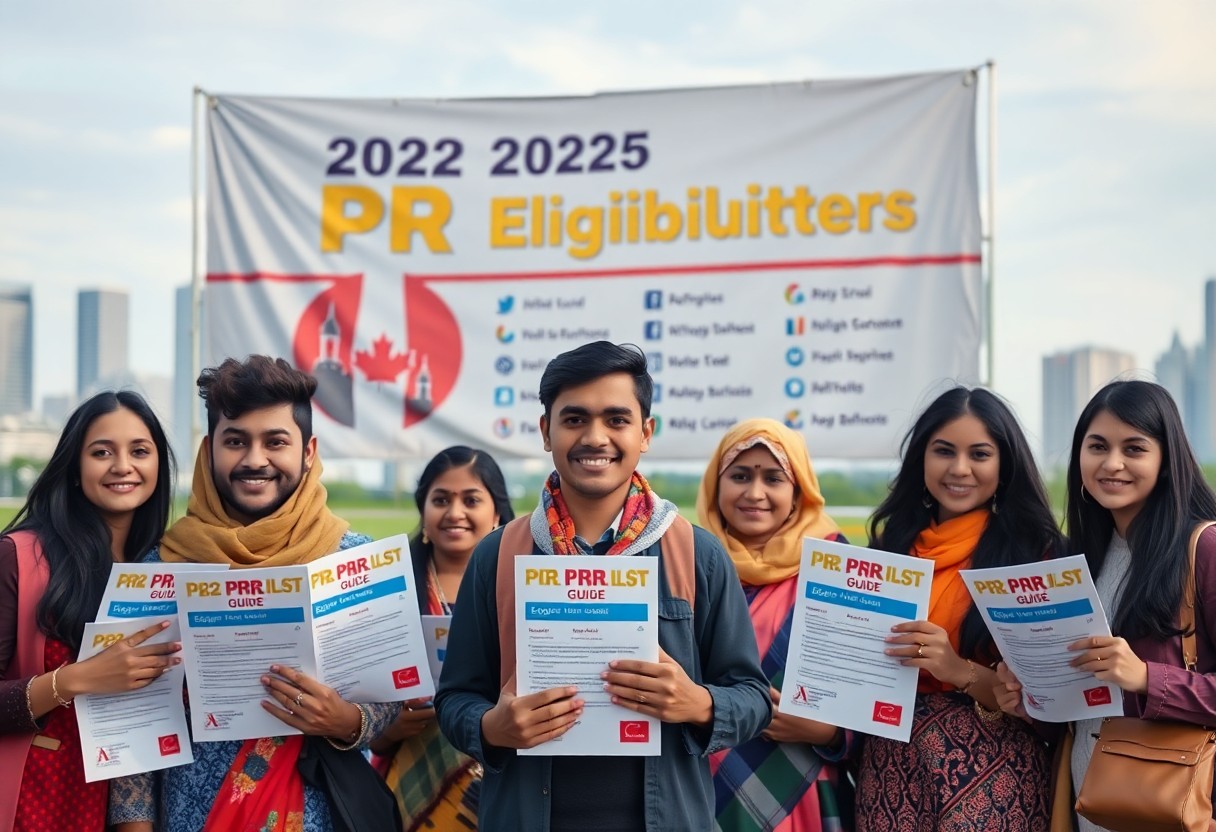
Key Eligibility Requirements for Commerce Graduates
Gaining PR as an Indian commerce graduate in 2025 hinges on meeting several key eligibility requirements. Each country has distinct criteria, but common factors include educational qualifications, language proficiency, and relevant work experience. Understanding these requirements early in your application process is vital for maximizing your chances of approval.
Educational Qualifications and Accreditations
Your educational background plays a fundamental role in PR eligibility. Typically, a bachelor’s degree in commerce or related fields from a recognized institution is necessary. Some countries may require specific accreditations or recognitions from professional bodies, increasing your appeal as a candidate.
Language Proficiency Standards
Proving your language proficiency is vital for successful PR applications. Most countries require passing standardized tests that assess your English skills, such as IELTS or TOEFL, confirming your ability to communicate effectively in a professional context.
Achieving the required scores in language proficiency tests is often a decisive factor in your PR application. For example, a minimum IELTS score of 6.0 or higher is typically expected. Fulfilling this requirement not only demonstrates your capability in a new environment but also enhances your employability by showcasing your ability to interact with diverse colleagues and clients.
Work Experience Considerations
Relevant work experience within your field can significantly boost your PR application. Certain countries prioritize applicants with specific years of experience in commerce-related roles, often requiring documentation to substantiate your employment history.
Your work experience should ideally align with the skill sets in demand by the targeted country’s labor market. For instance, demonstrating at least two years of relevant experience in finance or accounting can qualify you for additional points in points-based immigration systems, thereby strengthening your application and prospects of securing residency.

Navigating the Application Process
The application process for Permanent Residency (PR) involves several key steps that require careful planning and attention to detail. Thoroughly understanding the assessment criteria and preparing the necessary documentation enhances your chances of success. Ensure you stay updated on changing regulations and timelines as you proceed through your application journey.
Essential Documentation for PR Applications
Gathering the right documentation is vital for a smooth PR application. Required documents typically include your academic qualifications, work experience letters, language proficiency results, and identification proof. Each document must be accurate and genuine to avoid delays or rejections in your application.
Step-by-Step Guidance for Submission
The submission process consists of multiple stages, each requiring careful completion and attention to detail. Start by checking eligibility criteria, then compile your documents, followed by completing the application form. Finally, track your application status online and respond promptly to any requests for additional information.
Step-by-Step Guidance for Submission
| Step 1 | Check eligibility criteria and gather required documents. |
| Step 2 | Complete the PR application form accurately. |
| Step 3 | Submit the application along with fees. |
| Step 4 | Monitor your application status regularly. |
| Step 5 | Respond to any requested additional information promptly. |
Common Pitfalls and How to Avoid Them
Avoiding common pitfalls can significantly impact the success of your PR application. Frequent mistakes include submitting incomplete documentation, failing to meet deadlines, or providing inaccurate information. Ensuring complete and precise documentation will greatly enhance your application’s strength.
Common pitfalls often stem from minor oversights. For instance, neglecting to double-check language proficiency scores or not obtaining proper translations for non-English documents could lead to delays. Consulting with immigration experts can provide added assurance against such errors, helping you navigate the process with increased confidence.
Maximizing Employment Opportunities in Canada
Canada’s job market offers a wealth of opportunities, particularly for Indian commerce graduates in 2025. Highlighting relevant skills on your resume, acquiring local certifications, and understanding the Canadian workplace culture significantly enhance your employability. Engage in internships or volunteer positions to gain local experience, as many employers value practical exposure alongside academic credentials. Prepare for expanding sectors such as technology and finance to seize opportunities. You may also want to explore remote work opportunities that enhance your skill set while expanding your professional network.
Profiles of High-Demand Commerce Roles
Roles in data analysis, financial management, and supply chain logistics are experiencing a surge in demand across Canada. Companies seek graduates skilled in data interpretation and decision-making, particularly as they adapt to digitization. Positions such as business analysts and financial consultants offer competitive salaries and robust growth prospects. Your background in commerce equips you to fit seamlessly into these roles, making you a strong candidate in an evolving job market.
Networking Strategies for New Graduates
Building a professional network is important for your success in the Canadian job market. Attend industry events, workshops, and networking sessions to connect with professionals in your field. Utilize platforms like LinkedIn to showcase your skills, engage with industry leaders, and participate in relevant discussions. Join professional associations and local commerce groups to keep your knowledge current and establish valuable contacts, enhancing your chances of securing interviews and job opportunities.
Focus on creating genuine relationships through networking. Attend local meetups and seminars tailored to commerce to find peers and mentors willing to share insights. Volunteer for committees or projects where you can contribute while making valuable connections. Engage actively on social media, sharing your experiences and expertise to attract attention from industry professionals. As you build rapport, ask for informational interviews to deepen your understanding of desired roles and to position yourself favorably within the professional community.
Insights from Successful Indian Graduates
Personal Experiences and Lessons Learned
Successful PR applicants often emphasize the significance of networking and internships during their academic tenure. Engaging with real-world scenarios and building professional connections made the transition to a permanent role smoother. One graduate shared how participating in industry conferences opened doors to mentorship opportunities, enriching both their learning and practical experience. These real-life applications of classroom theories not only enhanced their resumes but also cultivated invaluable soft skills.
Advice for Aspiring PR Applicants
Focus on developing a strong portfolio that showcases your unique skills and experiences. Attend industry events, join relevant student organizations, and seek internships that allow you to apply your knowledge in practical settings. Networking plays a pivotal role; building genuine connections can give you an edge. Tailoring your application to highlight specific experiences relevant to public relations will resonate with admissions committees.
Crafting personalized applications can set you apart in 2025. Highlight experiences that align with PR roles, such as campaign work, social media management, or event planning. Seek feedback from mentors on your application materials to ensure clarity and impact. Utilize online platforms to connect with industry professionals; their insights can provide guidance on potential career paths and best practices. Demonstrating passion, versatility, and a comprehensive understanding of the PR landscape will strengthen your candidacy. Focus on articulating how your unique background as an Indian commerce graduate equips you to contribute meaningfully to the PR field.
Final Words
With this in mind, understanding the PR eligibility for Indian commerce graduates in 2025 is vital for your career planning. You will need to stay informed about evolving immigration policies, academic qualifications, and work experience requirements. Your professional profile should align with demand trends in the job market, ensuring you fulfill all necessary criteria for a successful PR application. As you prepare, consider leveraging networking opportunities and seeking guidance from experts in immigration to strengthen your chances of obtaining permanent residency.
FAQ
Q: What is PR eligibility for Indian commerce graduates in 2025?
A: PR eligibility refers to the criteria that Indian commerce graduates must meet to obtain Permanent Residency in countries like Canada or Australia in 2025. This typically includes educational qualifications, work experience, language proficiency, and other specific requirements set by immigration authorities.
Q: What educational qualifications are needed?
A: Indian commerce graduates should possess at least a bachelor’s degree in commerce or a related field from a recognized institution. Additional certifications or higher degrees may enhance eligibility.
Q: Are there specific language requirements?
A: Yes, most countries require proof of proficiency in English, typically through tests like IELTS or TOEFL. The minimum score varies depending on the specific immigration program.
Q: How important is work experience for PR eligibility?
A: Work experience is significantly important. Applicants are generally required to have relevant work experience in their field, which may range from 1 to 3 years depending on the destination country’s immigration policies.
Q: Are there age limits for PR eligibility?
A: Most immigration programs have age limits, usually favoring applicants between 18 and 35 years. However, additional points may be awarded to candidates with skills and qualifications.
Q: Is it necessary to have a job offer for PR eligibility?
A: A job offer is not always mandatory, but having one can significantly enhance an applicant’s chance of receiving an invitation to apply for PR. It may also provide additional points in the selection process.
Q: What are the common pathways to PR for commerce graduates?
A: Common pathways include Express Entry in Canada, Skilled Occupation List for Australia, and Provincial Nominee Programs. Each pathway has its own set of requirements, and candidates should assess which best suits their profile.