
Philippines residents considering a transition to Australia for permanent residency in 2025 must navigate various costs associated with relocation. Understanding the overall financial implications, including visa fees, travel expenses, and potential living costs, is important to your planning. The average expenses can vary significantly, depending on your situation and choices. It’s important to also be aware of hidden fees that may arise during the moving process while budgeting effectively to ensure a smooth transition to your new home.
Key Takeaways:
- The total cost of moving from the Philippines to Australia for PR may include visa application fees, which can vary based on the visa subclass.
- Relocation costs such as shipping, airfares, and accommodation must be considered.
- Professional services like migration agents or consultants can incur additional expenses.
- Health insurance is often required and adds to the overall cost.
- The cost of living adjustment should be factored into budget planning for settling in Australia.
- Language proficiency tests and skills assessments may have associated fees.
- Exchange rates can impact the overall financial estimate significantly.
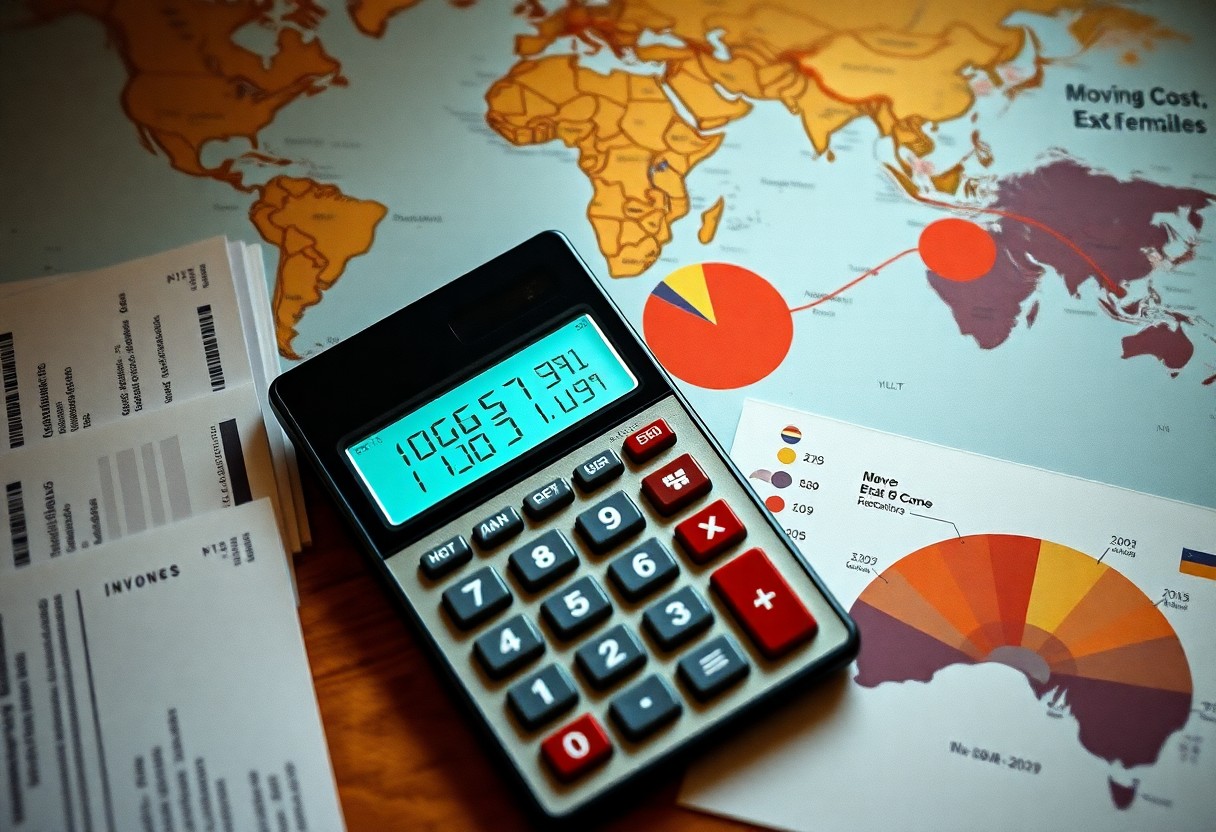
The Financial Breakdown of Moving Costs
Understanding the financial aspects of relocating to Australia is vital for effective budgeting. The total moving costs encompass a variety of expenses, from visa applications and health checks to shipping belongings and accommodation. Expect initial costs to be substantial, but careful planning and knowledge can help you navigate and optimize these expenses for your move in 2025.

Key Expenses to Anticipate
Primary expenses include visa application fees, which can range from AUD 1,000 to AUD 4,000 depending on the type of visa. Additionally, budget for health examinations, typically costing around AUD 300 to AUD 500 per person, and shipping personal items, which may run from AUD 2,000 to AUD 10,000 based on volume and distance. Don’t forget to include initial accommodation and living expenses in your budget as well.
Cost Variances Based on Regions
Moving costs can vary significantly depending on the regions you’re transitioning from and to in both the Philippines and Australia. Urban centers typically incur higher fees due to cost of living, while rural areas may offer more economical options. For instance, shipping from Manila to Sydney could cost more than moving from a provincial city like Cebu to a smaller Australian town.

If you plan your move from metropolitan areas, shipping fees and accommodation costs can be notably higher. For example, estimates indicate that relocating from Cebu to Melbourne may involve lower logistics fees compared to moving from Davao to Brisbane due to the distance and demand for shipping services. Additionally, housing costs in major cities like Sydney and Melbourne are considerably higher, requiring a larger budget for initial accommodation compared to regional areas where living expenses are generally lower.
Navigating Visa Fees and Associated Expenses
Visa fees are a significant part of your relocation budget, and understanding these costs is crucial to avoid financial surprises. Application fees for skilled permanent residency in Australia typically range from AUD 4,240 for the primary applicant, with additional costs for dependents. Make sure to check for updates as these fees can change annually and depend on specific visa subclasses.
Understanding PR Application Costs
Applying for permanent residency requires you to budget for the application fee, which is a flat rate based on your visa category. For skilled visas, the charge may be in the range of AUD 4,240 for the main applicant, with additional fees for partners and children. Additional costs may include medical examinations and police checks, which are mandatory before submission.
Additional Charges and Hidden Fees
Beyond the obvious application fees, various hidden charges can impact your overall moving cost. These often include expenses for document preparation, translation services, and the costs associated with obtaining required qualifications assessments. You might also face incidental fees for health checks or biometrics.
Hidden fees often manifest in unexpected ways. For example, document translations can run from AUD 50 to AUD 200 per page, depending on the professional you choose. Similarly, qualification assessments may incur fees around AUD 300 to AUD 1,000, depending on the evaluating authority. Even minor expenses like postage for sending documents can add up, so maintaining an organized list of potential costs will help ensure all aspects of the financial plan are covered.
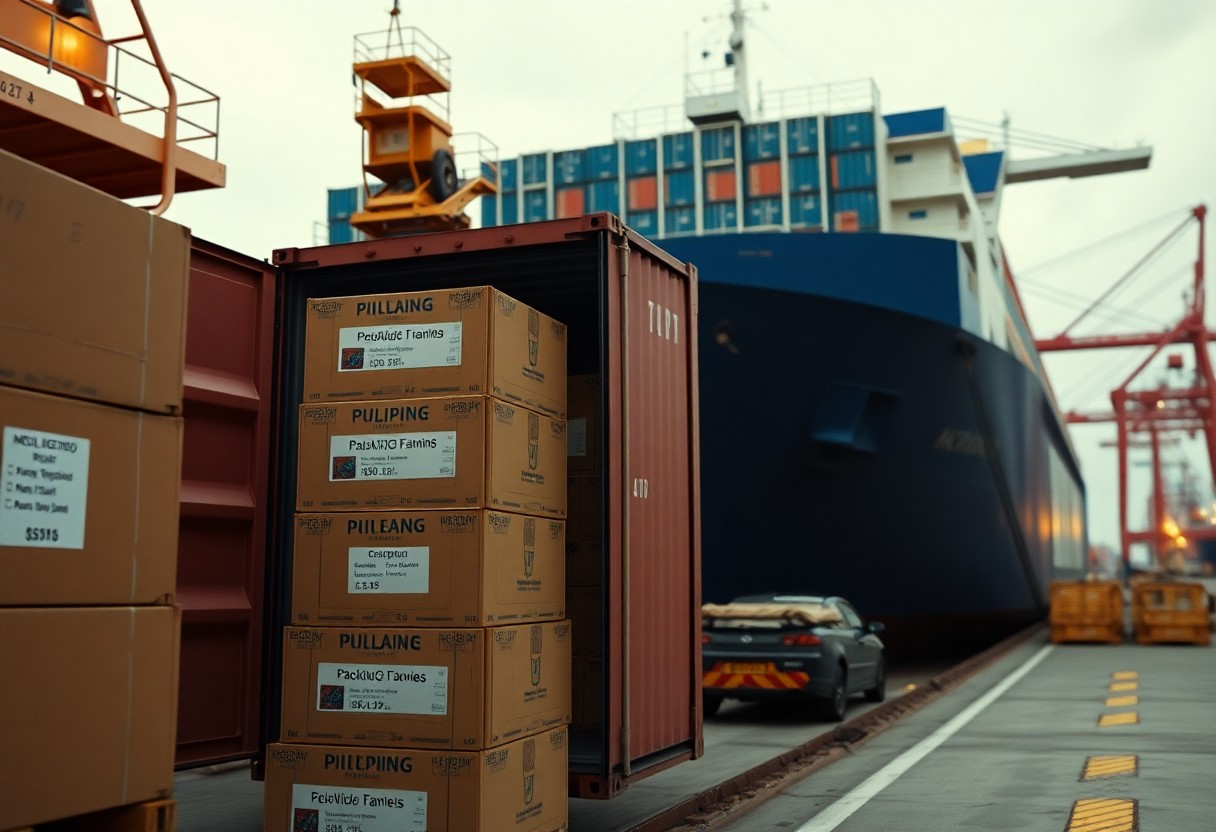
Relocation Logistics: Packing to Shipping
Streamlining your move requires effective packing and shipping strategies. Begin by categorizing your belongings to determine what to take, sell, or donate. Investing in high-quality packing materials, such as sturdy boxes and bubble wrap, protects your items during transit. You might also consider using a professional packing service to save time and ensure your items are secured properly.
Choosing the Right Moving Company
Select a moving company that specializes in international relocations and has a solid reputation. Research customer reviews and ask for quotes from several companies to compare services offered. Choosing a provider that is familiar with Australian customs and regulations minimizes potential delays and complications during shipping.
Costing Out Shipping Methods and Timelines
Shipping methods vary significantly in cost and duration, impacting your overall budget. Options include sea freight, which is more economical and takes between 4 to 8 weeks, and air freight, which is faster but can be up to five times more expensive. Analyze your timeline and budget to choose the most appropriate method for your needs.
Understanding shipping costs involves evaluating various factors like the volume of your shipment and the specific route taken. Sea freight tends to charge by container size, with full 20-foot containers costing around $2,000 to $5,000, while air freight options may range from $8 to $12 per kilo. Always inquire about potential additional fees, such as customs duties or insurance, to ensure accurate budgeting.
Settling In: The Price of Beginning Anew
Transitioning to life in Australia involves more than just securing a visa; it requires a financial investment in your new journey. Understanding the costs associated with settling in will help you budget effectively and avoid any surprises during this significant life change. From housing to everyday expenses, comprehending these factors is crucial for a smooth integration into Australian society.
Initial Living Expenses in Australia
Your first month in Australia will likely involve several initial living expenses, such as rent, groceries, and transportation. Expect to pay between AUD 1,500 to AUD 3,000 for rent and an additional AUD 400 to AUD 600 for groceries and necessities. Public transport costs vary by city but budget around AUD 100 monthly to account for travel. Long-term, these prices may adjust, but having a cushion prepared helps ease the transition.
Setting Up Utilities and Home Essentials
Setting up utilities and home crucials can significantly impact your initial budget. Expect to spend between AUD 300 to AUD 600 for connecting electricity, water, gas, internet, and phone services, which can sometimes include installation fees. Essential home items, like furniture, kitchenware, and appliances, can add an additional AUD 1,000 or more, depending on whether you purchase new or second-hand items.
In Australia, utility setup often includes deposits for electricity and gas, which can total around AUD 200 to AUD 400. Internet and phone services can require upfront fees of approximately AUD 100. Consider checking local retailers for affordable second-hand furniture to save costs. Online marketplaces and community groups can be valuable resources to connect with sellers, allowing you to furnish your new home without breaking the bank.
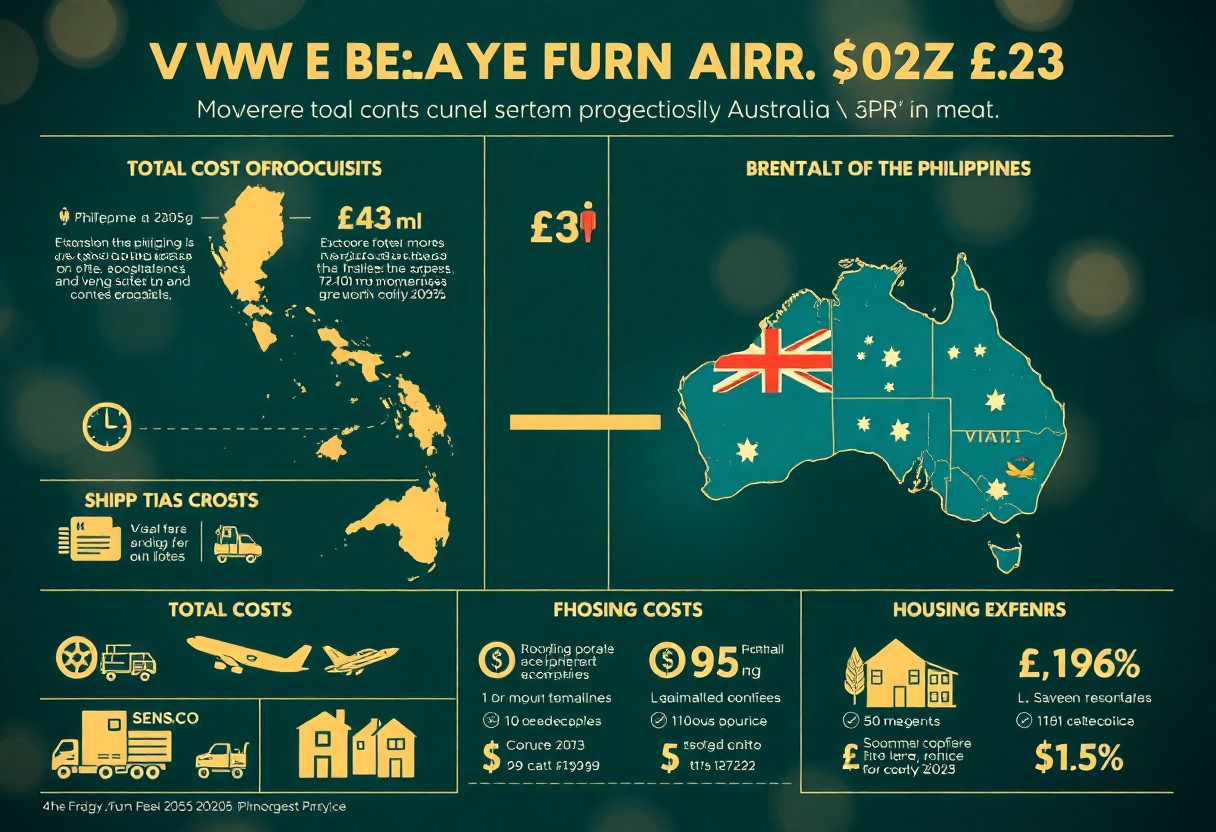
Factors Influencing Total Cost Projections
Several factors impact the overall cost when relocating from the Philippines to Australia for PR in 2025. Key considerations include visa fees, relocation expenses, and settling-in costs. Additionally, fluctuations in the Australian Dollar can significantly alter and potentially inflate your budget. After analyzing these factors, you can better estimate your financial commitment.
- Visa fees
- Relocation expenses
- Settling-in costs
- Currency fluctuations
- Personal lifestyle choices
Currency Fluctuations and Economic Trends
Current exchange rates directly impact your financial plans. A rise in the Australian Dollar relative to the Philippine Peso can mean higher costs, while a favorable exchange rate can ease your budget. Monitoring economic trends and exchange rates leading up to your move will help you strategically manage your finances.
Personal Lifestyle Choices Impacting Budget
Your lifestyle decisions will shape your budget for this move. Choosing a more luxurious housing option, for instance, significantly increases your monthly rent, while budget accommodations can result in substantial savings. Dining preferences, commuting methods, and leisure activities all affect how much you will spend monthly. After you weigh your priorities against your income in Australia, you can adjust your expectations and set a sensible budget.
Living in urban areas, for example, correlates with higher costs for housing and amenities. If you prefer a fast-paced city life, prepare for increased rent and lifestyle costs compared to more rural areas, which could provide a more affordable living. Routine expenses such as groceries and transportation also vary significantly based on your personal choices and location, influencing your overall financial landscape. You’ll be better prepared to manage your budget by assessing these variables ahead of time.
Final Thoughts on Budgeting for Your Australian Dream
Understanding Your Financial Commitment
Budgeting for your move to Australia requires thorough planning and a clear understanding of potential expenses. You might anticipate costs ranging from AUD 5,000 to AUD 15,000 for visa applications alone, not including additional fees for health checks and English tests. Initial living expenses, such as housing and utilities, can easily reach AUD 2,000 to AUD 4,000 per month depending on your location. Setting aside an emergency fund of at least AUD 3,000 will provide a safety net as you settle in. Staying informed and organized will help you manage your finances more effectively during this exciting transition.
FAQ
Q: What are the main costs associated with moving from the Philippines to Australia for PR?
A: The main costs include visa application fees, airfare, shipping personal belongings, health insurance, accommodation, and living expenses upon arrival.
Q: How much does the visa application cost for PR in Australia?
A: The visa application fee for Permanent Residency can range from AUD 4,000 to AUD 10,000, depending on the visa subclass and individual circumstances.
Q: What is the estimated cost for shipping personal belongings?
A: Shipping costs for personal belongings can range from AUD 1,500 to AUD 5,000, depending on the volume, weight, and shipping method chosen.
Q: How much should I budget for health insurance when moving to Australia?
A: Health insurance can cost between AUD 500 to AUD 1,500 annually, depending on the level of coverage and provider selected.
Q: What are the living expenses I should anticipate in Australia?
A: Monthly living expenses, including rent, utilities, groceries, and transportation, can range from AUD 2,500 to AUD 4,500, depending on the city and lifestyle.
Q: Are there additional fees for professional fees or migration agents?
A: Engaging a migration agent can cost between AUD 2,000 to AUD 8,000, depending on services and complexity of the application process.
Q: How can I save on overall moving costs to Australia?
A: To save costs, consider researching and comparing service providers, timing your move for off-peak seasons, and decluttering items before shipping.