
With the right guidance and a strategic approach, you can successfully navigate the process of obtaining state nomination in Australia as a Nepali engineer. Each state has its own criteria, so understanding these requirements will enhance your likelihood of approval. By highlighting your skills and experience in your application, you can significantly improve your chances. Engaging with local engineering communities and networking can also provide valuable insights. This blog post will outline the key steps and tips to help you achieve your goal of working in Australia.

Key Takeaways:
- Understand the eligibility criteria for state nomination in Australia, which varies by state and occupation.
- Explore the various visa options available for engineers, such as the Skilled Nominated Visa (subclass 190) and the Skilled Work Regional (Provisional) Visa (subclass 491).
- Gather necessary documentation, including qualifications, work experience letters, and English language proficiency tests like IELTS or PTE.
- Research specific state nomination requirements, as some states may seek engineers with particular skills or experience.
- Submit an Expression of Interest (EOI) through SkillSelect, providing accurate information about skills and experience.
- Stay tuned for state invite rounds, as only candidates with high scores in their EOIs may receive invitations to apply.
- Network with industry professionals and join relevant forums to gain insights and support throughout the nomination process.
Navigating the Skills Assessment Process
Successfully navigating the skills assessment process is a vital step in obtaining your state nomination as a Nepali engineer in Australia. This process involves verifying your qualifications and work experience against Australian standards, ensuring that you meet the requirements of the relevant assessing authority. Each engineering discipline may have specific documentation and experience criteria, so thorough preparation will enhance your chances of a favorable outcome.

Recognizing the Relevant Engineering Occupations
Identifying the correct engineering occupation according to the ANZSCO (Australian and New Zealand Standard Classification of Occupations) is crucial for your skills assessment. Understanding the differences between various engineering roles, like Civil Engineer or Mechanical Engineer, will help guide your application, ensuring it aligns with both your qualifications and potential job prospects in Australia.
Completing the Skills Assessment Application
Completing your skills assessment application will require meticulous attention to detail. Start by gathering necessary documentation, including your academic transcripts, qualifications, and evidence of your work experience. Accurate and comprehensive submissions can significantly impact results, since any discrepancies may lead to delays or rejections. Make sure to follow the specific guidelines outlined by the assessing authority and provide all requested evidence to substantiate your claims.

Your application should include a detailed resume that clearly outlines your duties and responsibilities in previous positions, weighted against the ANZSCO codes for your desired occupation. Be prepared to provide references from previous employers, along with any additional qualifications or certifications that demonstrate your expertise. The process can be intricate, but by presenting well-organized and thorough documentation, you enhance your opportunity for a successful assessment outcome.
Meeting the English Proficiency Requirements
Meeting the English proficiency requirements is important for your state nomination application. Australian immigration authorities assess your language skills to ensure effective communication within your chosen occupation. Typically, a minimum standard of English is required, often assessed through standardized tests. Achieving these proficiency levels not only supports your application but also enhances your employability in Australia’s competitive job market.
Acceptable English Tests and Their Score Thresholds
Several English language tests are recognized by Australian immigration, with the most common being the IELTS, TOEFL, and PTE. For the IELTS, a score of at least 6.0 in each band is generally required, while the TOEFL may require an overall score of 60. The PTE often sets the threshold at a score of 50. Each state may have specific score requirements, so verifying the criteria for your targeted state is wise.
Strategies for Achieving Required Scores
To achieve the required scores in your English proficiency assessments, consider a well-structured approach to your study and preparation. Utilizing online resources, enrolling in preparatory courses, or practicing with sample tests can greatly enhance your language skills. Regular conversation with native speakers and immersing yourself in English-speaking environments also contribute significantly to your fluency and comprehension.
Exploring various study programs can further fine-tune your skills relevant to the specific test you are taking. For instance, if you plan to sit for the IELTS, focus on targeted practice tests and familiarization with the test format. Engaging with online forums where you can share tips and resources with peers preparing for the same tests can also be beneficial. Moreover, setting a consistent study schedule—dedicating a specific number of hours each day to English practice—can lead to measurable improvement over time. You might even enlist the help of a tutor to address particular areas of difficulty, ensuring you approach your test with confidence and competence.
Understanding State Nomination Criteria
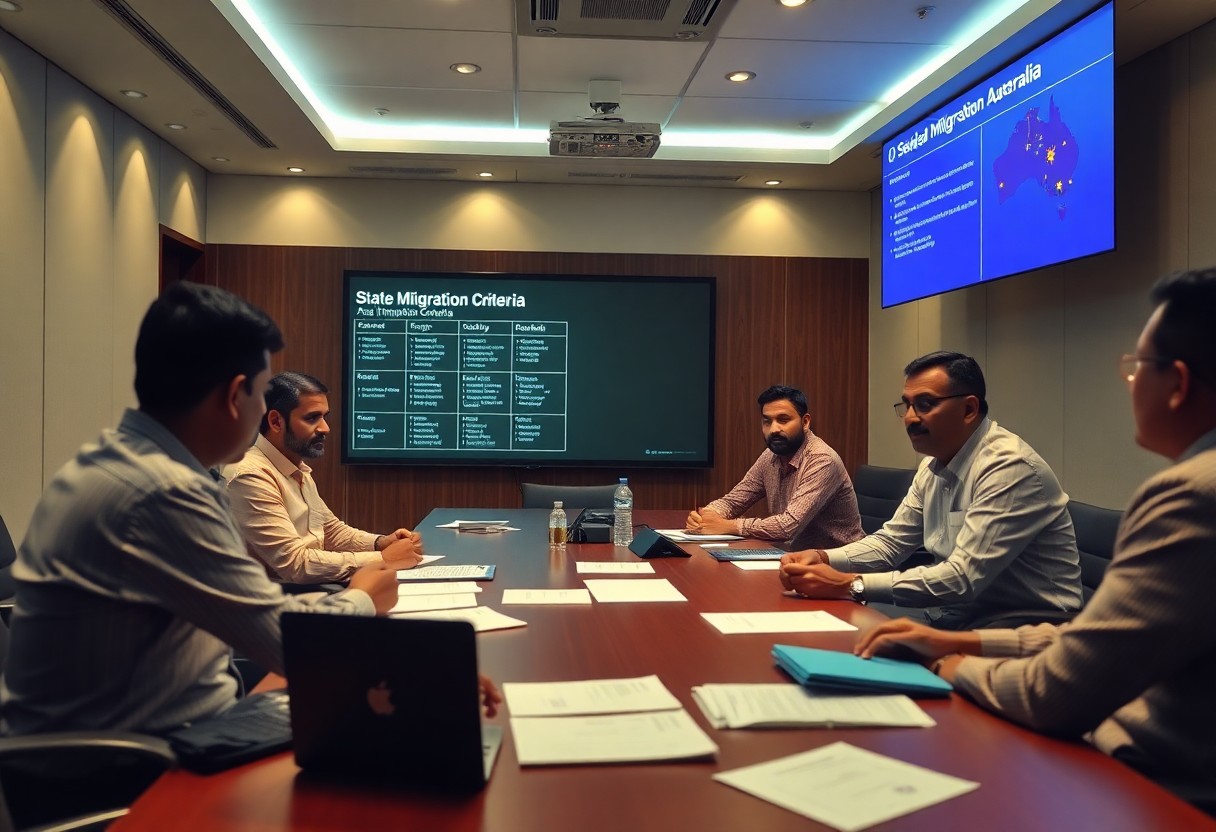
The state nomination criteria for engineers in Australia vary significantly, influenced by each state’s specific labor market needs and immigration policies. Each state has its own set of requirements, which may include skill level, work experience, and commitment to live and work in that state. Familiarizing yourself with these criteria can help streamline your application process and enhance your chances of receiving an invitation to apply for a visa.
Key Requirements for Different States
Each Australian state and territory establishes its own nomination requirements that may include a minimum score on the points test, occupation on the relevant skilled occupation list, and potential sponsorship from a regional employer. For instance, New South Wales might require an engineering qualification from a recognized institution, while Queensland could focus on applicants possessing specialized skills in high-demand areas.
Evaluating Your Eligibility Based on State Needs
To determine your eligibility for state nomination, assess the specific skill shortages and economic conditions of the state you’re interested in. Analyze the occupation lists published by each state, as some states prioritize certain engineering fields based on local demand. For example, if you’re a civil engineer, your chances may be greater in Western Australia, which has a booming infrastructure sector.
Your eligibility hinges on aligning your qualifications and experience with state requirements. This means thoroughly researching the engineering roles in demand and understanding the application process for each state. For instance, states like Victoria may prioritize candidates with a strong educational background and relevant work experience, while South Australia might consider your language proficiency and adaptability to the local work environment as additional factors. Evaluate which state’s needs closely match your profile and target your application to maximize your likelihood of success.
Promotion Strategies for a Successful Application
Boosting your chances for state nomination involves a combination of strategic promotion and strong documentation. Focus on highlighting your relevant qualifications, skills, and experiences tailored to meet specific state demands. Research the state’s labor market and align your application with high-demand engineering fields to make a compelling case for your nomination.
Crafting an Effective Resume and Supporting Documents
Your resume and supporting documents must clearly showcase your engineering expertise and how it fits the state’s criteria. Utilize clear, concise language and bullet points to emphasize your skills and accomplishments. Each document should reflect the relevance of your experience, tailored specifically to the job you’re targeting while also adhering to the outlined format expected by the state authorities.
Networking and Building Relationships with State Authorities
Building strong relationships with state authorities can significantly enhance your application. Attend local events, workshops, and seminars where you can engage directly with representatives. Establish connections through social platforms like LinkedIn, as networking leads to potential mentorship opportunities and vital insights into the nomination process.
Utilizing networking events provides an opportunity to interact with state authorities in a more informal setting. Take advantage of local engineering conferences or community workshops, where you can not only present your engineering capabilities but also convey your genuine interest in contributing to the state. Informational interviews with industry professionals can provide insights into the nomination process while establishing connections that pave the way for recommendations or referrals, bolstering your application significantly.

The Importance of Staying Updated on Immigration Policies
For Nepali engineers aiming for state nomination in Australia, staying apprised of current immigration policies can be a game changer. The constantly evolving regulations often determine not only eligibility but also the pathways available for application. Keeping informed ensures you can react swiftly to any changes or new requirements that may arise, maximizing your chances of a successful application.
Recent Changes in Australian Immigration Laws
The Australian immigration landscape has experienced significant shifts recently. The government has amended several key policies to prioritize skilled migration and address acute labor shortages. For instance, changes in the points system have allowed for enhanced scoring for highly skilled occupations, which could benefit your application if you align with in-demand skill sets.
Resources for Ongoing Information and Guidance
To keep up with the fast-paced changes in Australian immigration laws, leveraging trusted resources is vital. Government websites, professional immigration consultants, and dedicated forums offer valuable updates and expert insights. For engineers specifically, industry-related organizations often provide tailored information that aligns with your profession’s requirements.
Utilizing resources such as the Department of Home Affairs website and reputable migration agents helps you navigate complex regulations effectively. Furthermore, joining engineering associations or online groups enables you to access firsthand experiences and tips from peers who have successfully obtained their state nominations. Subscribing to newsletters and updates from government entities or migration agencies can also keep you in the loop regarding any imminent changes that could impact your application strategy.
Conclusion
Drawing together the various pathways and strategies, you can significantly enhance your chances of obtaining state nomination in Australia as a Nepali engineer. Familiarize yourself with the specific requirements of your chosen state and consider pathways such as skilled migration, applying for job offers, or engaging with local professional networks. By ensuring that your skills and qualifications align with Australia’s workforce needs, as well as actively participating in relevant industry events, you position yourself as a strong candidate for state nomination.
FAQ
Q: What is state nomination for engineers in Australia?
A: State nomination is a process where Australian states and territories can nominate skilled workers to meet specific labor market needs. For engineers from Nepal, obtaining state nomination can facilitate a smoother pathway to securing a permanent visa in Australia, as it demonstrates that your skills are in demand within a particular state.
Q: What types of visas require state nomination for engineers?
A: Engineers from Nepal typically seek state nomination for visas under the Skilled Nominated Visa (subclass 190) and the Skilled Work Regional (Provisional) Visa (subclass 491). These visas allow for residency in Australia, with subclass 190 providing a permanent residency option, while subclass 491 leads to a pathway for permanent residency after a few years of work in a regional area.
Q: What are the eligibility criteria for state nomination as an engineer?
A: The eligibility criteria for state nomination can vary by state. Generally, applicants must have an occupation on the relevant state’s skilled occupation list, meet the skills assessment requirements in their engineering field, possess relevant work experience, and demonstrate proficiency in English. Additionally, some states may impose age restrictions and specific residency requirements.
Q: How do Nepali engineers apply for state nomination?
A: The application process typically involves several steps: Firstly, engineers need to secure a skills assessment from a recognized assessing authority. Once assessed, they can submit an Expression of Interest (EOI) through the SkillSelect system. If invited, they can then apply for state nomination through the respective state’s nomination portal. It is important to ensure that all documentation is accurate and complete to avoid delays.
Q: Which states in Australia are most favorable for engineers from Nepal?
A: States such as Queensland, Victoria, and New South Wales often have strong job markets for engineers. However, in recent years, regional areas in South Australia and Western Australia have also shown increased opportunities, particularly for those willing to live and work outside major urban centers. Researching the job market and state-specific requirements is important for making an informed choice.
Q: Is English proficiency a requirement for state nomination?
A: Yes, proficiency in English is a mandatory requirement for obtaining state nomination and for most skilled visas. Applicants usually need to take an English language test, such as IELTS or PTE, to demonstrate their language skills. Minimum scores can vary by state and occupation, so it’s important to check the specific requirements for the state you are applying to.
Q: How long does the state nomination process take for Nepali engineers?
A: The duration of the state nomination process can vary based on several factors, including the state’s processing times, the completeness of the application, and current demand for engineers in the state. Generally, it can take anywhere from a few weeks to several months. It is advisable for applicants to remain patient and stay updated by checking the respective state’s government website for processing times and changes to policies.