
There’s a significant transition ahead of you as you consider converting your student visa to permanent residency (PR) in another country. You must ensure that your academic achievements and financial stability are properly documented, as these factors play a vital role in your application. It’s also imperative to understand the specific requirements set by the immigration authorities to avoid unnecessary delays or rejections. This article will guide you through the necessary preparations for a smoother transition to PR status.
Key Takeaways:
- Ensure that all academic requirements for PR eligibility are met.
- Gather necessary documents such as transcripts, diplomas, and proof of enrollment.
- Check the specific PR criteria related to work experience and language proficiency.
- Prepare financial statements to demonstrate self-sufficiency.
- Familiarize yourself with the application process and timelines.
- Consult with immigration experts or legal advisors for guidance.
- Stay updated on any changes in immigration laws or policies that may affect the application.
Essential Documents for Transitioning Your Visa Status
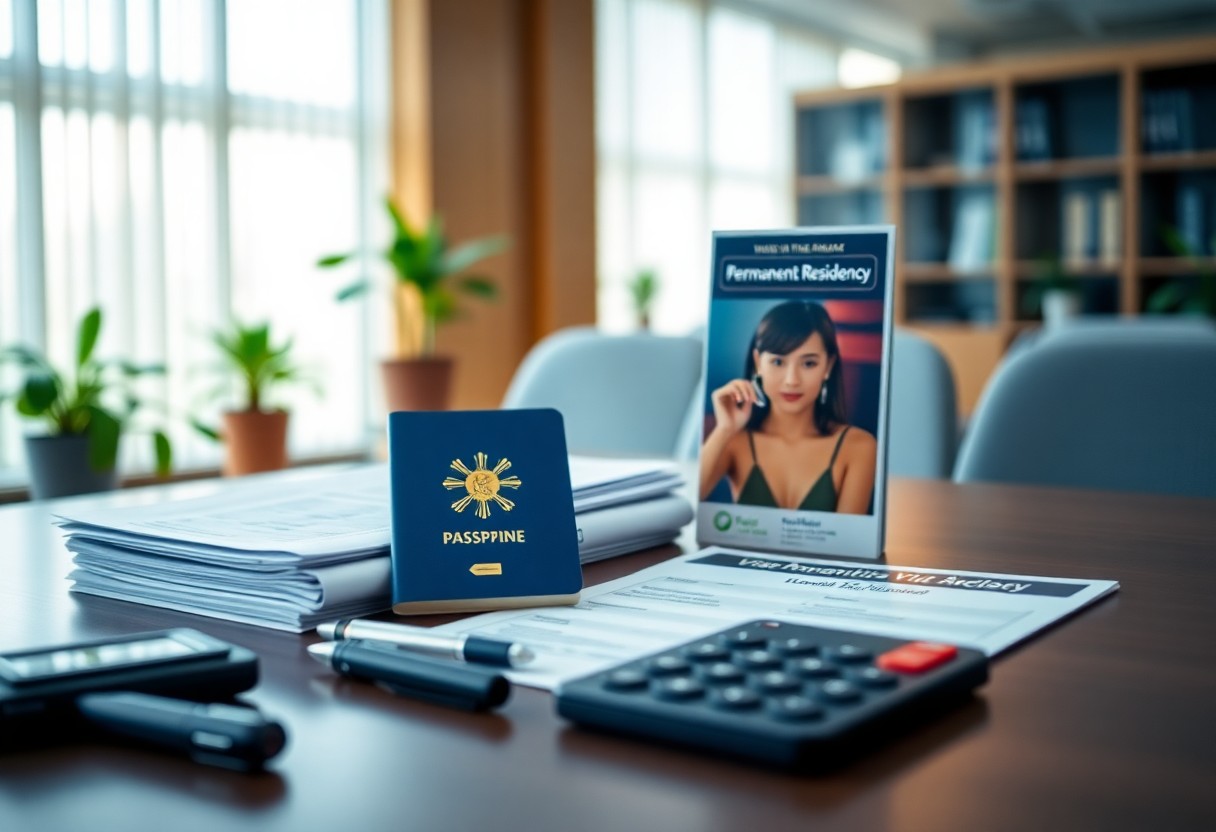
Transitioning from a student visa to permanent residency requires you to gather a comprehensive set of documents. This includes academic records, identification, and any additional paperwork that showcases your eligibility. Organizing these materials ahead of time can streamline your application process and alleviate potential delays.

Necessary Academic Records
Your academic records play a significant role in your PR application. These include official transcripts, diplomas, and certificates from your educational institution. Ensure that these documents are up to date and reflect your achievements accurately, as they demonstrate your commitment to your studies and compliance with visa conditions.
Valid Passport and Identification Requirements
Your passport must remain valid throughout the application process. Ensure it has a minimum validity of six months beyond your intended application submission date. Besides your passport, additional identification like a national ID or driver’s license may also be required for verification purposes, so keep these documents accessible and in good condition.

Providing a valid passport and identification is non-negotiable for your application. Your passport not only serves as proof of your identity but also as evidence of your nationality and residency status. Having identification documents that align with your name and personal details will prevent discrepancies that could complicate your application. Additionally, some authorities may require certified copies of these documents, so prepare accordingly to prevent last-minute issues.
Financial Preparedness: Proving Your Stability
Preparing your finances is a key step in the PR application process. This involves demonstrating that you can support yourself and meet any required financial thresholds. Authorities evaluate your financial stability to ensure you won’t become a burden on the public system. A solid financial plan can enhance your application, reflecting your commitment and ability to thrive in your new environment.
Understanding Financial Support Guidelines
Familiarize yourself with the specific financial support guidelines set by the immigration authorities. These guidelines typically require you to show evidence of income, savings, or other financial resources that meet or exceed established benchmarks. Understanding these requirements allows you to organize your finances effectively and avoid any potential pitfalls in your application process.
Gathering Employment and Income Verification
Your application will need solid evidence of your employment and income. This includes pay stubs, bank statements, and tax returns. Having a well-organized collection of these documents simplifies the verification process, demonstrating your stability to immigration officials.
Start by collecting current pay stubs that show consistent employment, ideally for at least the past six months. Additionally, gather your last two years of tax returns to provide a complete picture of your income. Bank statements over the same period can corroborate your savings and financial habits. If you’re self-employed or have multiple income sources, include contracts and invoices as proof. This documentation not only supports your application but also reassures officials of your ability to sustain yourself financially in your new country.

Navigating the Legal Landscape of PR Applications
Understanding the legal requirements for converting your student visa to permanent residency (PR) is crucial for a smooth transition. You will need to familiarize yourself with various immigration laws, documentation requirements, and procedures that differ by region. Consulting with an immigration attorney may provide valuable insights and help clarify any confusing aspects of the process, ensuring adherence to legal protocols.
Key Regulations and Processes
Various immigration regulations dictate your eligibility for PR, including your length of stay, academic performance, and work experience post-study. You must also submit comprehensive documentation, such as proof of employment, character references, and financial statements, meeting the specific criteria set by immigration authorities. Failing to comply with these regulations can lead to delays or denials.
Common Pitfalls to Avoid When Filing
Overlooking deadlines and missing required documentation often result in unnecessary complications in your PR application. Additionally, failing to provide accurate and truthful information can lead to severe repercussions, including visa cancellations. Stay organized by creating a checklist and adhering strictly to all submission guidelines to avoid these common errors.
In many cases, applicants underestimate the importance of accuracy in their applications. Simple errors, such as mismatched names or incorrect dates, can trigger lengthy processing delays or outright denials. Delays may arise from not responding promptly to requests for additional information from immigration officials. Organizing your data meticulously and double-checking all documents before submission significantly enhances your chances for a successful application and smooth transition to PR status.
Cultural Integration: Building Your Community Network
Cultural integration plays a vital role in your successful transition from a student visa to permanent residency. Engaging with your surroundings and fostering connections within your community will not only enhance your living experience but also ease the application process. Establishing a supportive network of friends and acquaintances can provide guidance, share valuable resources, and assist you in navigating the challenges you may encounter in your new environment.
Benefits of Joining Local Organizations
Joining local organizations offers you numerous benefits, including access to diverse social networks and potential job opportunities. Such organizations often host events and workshops, enabling you to develop new skills while meeting individuals from various backgrounds. Participating fosters a sense of belonging and enhances your cultural understanding, making your transition smoother as you adapt to life as a permanent resident.
Accessing Support Services for New Residents
Utilizing support services tailored for new residents can significantly ease your transition. These services often include legal advice, employment assistance, and cultural orientation programs. Familiarizing yourself with community resources will give you a practical advantage and help you adjust more quickly to your new environment.
Many cities provide comprehensive support services specifically designed for new residents, including free or low-cost legal consultations to simplify the PR application process. Organizations like local immigrant assistance centers can help with language barriers and provide important community connections. By taking advantage of these services, you can enhance your understanding of local customs, gain employment support, and connect with other newcomers who share similar experiences, all of which contribute to building a stronger foundation for your future in the country.
Timeline Management: Planning Your Application Journey
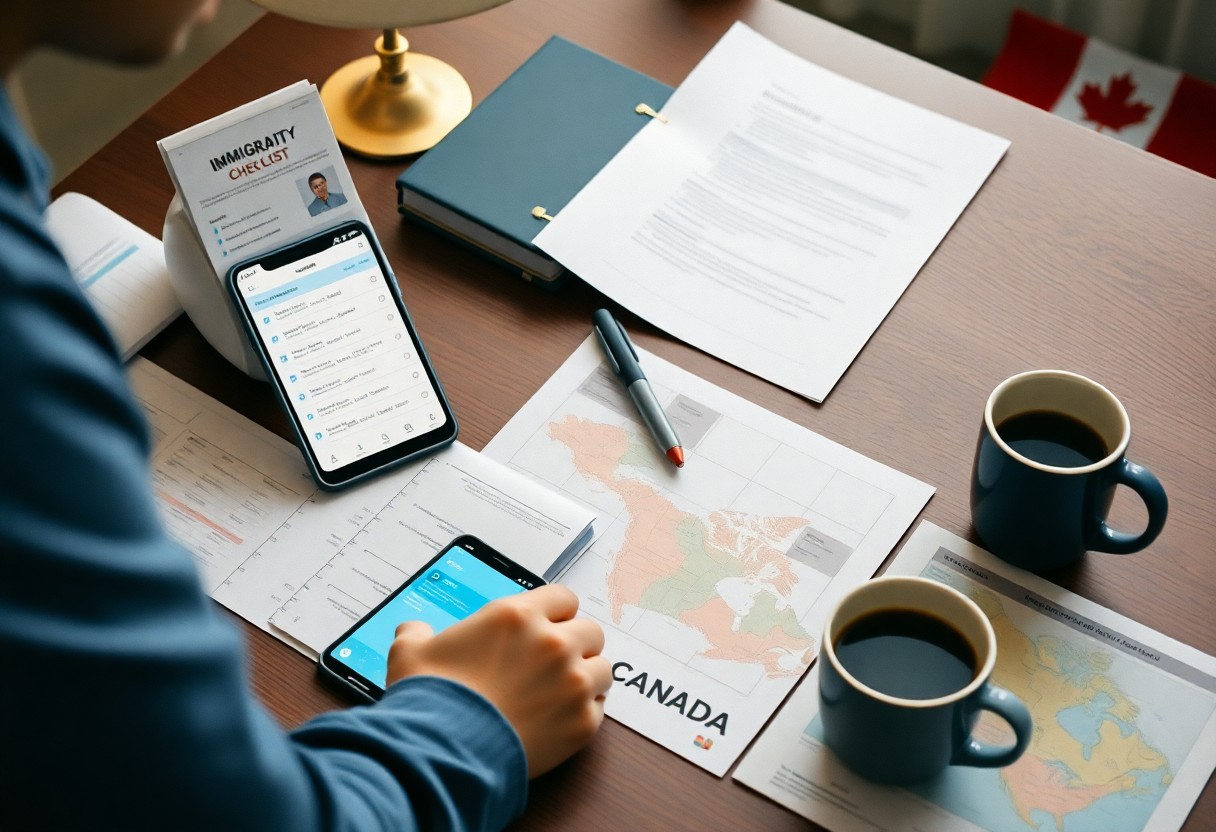
Effective timeline management is key to a smooth PR application journey. Begin by outlining each phase of the application process, from gathering necessary documents to submitting your application. Establish a detailed calendar that includes benchmarks for when you need to complete specific tasks, ensuring that you stay on track and avoid unnecessary delays.
Estimating Processing Times
Estimating processing times allows you to align your expectations and plan accordingly. Typically, the processing period for PR applications can range from six months to a year, depending on various factors such as application volume and the completeness of your documentation.
Important Milestones and Deadlines
Identifying important milestones and deadlines will keep your application organized and focused. Key dates include the submission of your application, additional information requests (if applicable), and timelines for medical and police clearances. Mark these milestones on your calendar to track your progress effectively.
Breakdown of milestones includes ensuring that you have all required documents ready by a specific date. Completing medical exams often has a limited validity period, so scheduling them early in the process is vital. Similarly, you must monitor deadlines for any document submissions or responses to requests from immigration authorities, as failing to meet these can result in application delays or denials.
Final Words
Ultimately, before converting your student visa to permanent residency, you should ensure that you have all required documentation, including proof of studies and financial stability. Familiarize yourself with the specific residency requirements and secure an appropriate job offer if applicable. It’s also wise to connect with immigration services or legal experts to navigate the complexities of the application process efficiently. Preparing these elements in advance can significantly streamline your transition to permanent residency in the Philippines.
FAQ
Q: What documents are needed to convert a student visa to permanent residency?
A: Applicants typically need their passport, student visa, proof of enrollment, academic transcripts, financial statements, medical certificates, police clearance, and any additional documents specific to their situation.
Q: Is there a minimum amount of time required to stay on a student visa before applying for PR?
A: Yes, applicants usually need to have been in the country on a student visa for a minimum of two years before applying for permanent residency.
Q: What are the eligibility requirements for converting a student visa to PR?
A: Eligibility requirements may include proof of completed studies, job offers related to the field of study, language proficiency, and meeting certain age and health criteria.
Q: How can students prove they have an adequate understanding of the local language?
A: Students can take recognized language proficiency tests or provide evidence of having completed educational programs conducted in the local language.
Q: Are there any fees associated with the application for PR?
A: Yes, there are application fees that vary depending on the country and specific visa regulations. It’s necessary to check the current fee schedule.
Q: Does work experience after studying impact the PR application?
A: Yes, relevant work experience gained after completing studies can enhance the application and improve the chances of obtaining permanent residency.
Q: What should students do if their student visa is about to expire before applying for PR?
A: Students should apply for an extension of their student visa or seek advice on applying for PR before the expiration date to avoid any legal issues.