
You have the opportunity to explore a variety of lucrative trade jobs in Australia that can significantly enhance your chances of securing permanent residency. These roles not only offer competitive salaries but also provide a pathway to a stable and fulfilling career. Occupations such as electricians, plumbers, and carpenters are in high demand, ensuring your skills are valued. However, be prepared for the physical demands and safety challenges associated with many trade jobs. By aligning your skills with the right opportunities, you can pave your way to a successful future in Australia.

Key Takeaways:
- High demand exists for skilled trades in Australia across various industries.
- Jobs such as electricians, plumbers, and carpenters are consistently sought after.
- Eligible trade occupations are listed on Australia’s Skilled Occupation List.
- Trade qualifications and relevant experience are important for PR applications.
- Apprenticeships and vocational training can enhance employability prospects.
- Networking within the industry may lead to job opportunities for PR applicants.
- Regional areas may offer additional incentives for skilled trade professionals.
Overview of Trade Jobs in Australia
Australia’s trade sector encompasses a broad range of skilled professions, including plumbers, electricians, carpenters, and welders. These jobs are necessary to the country’s economy and infrastructure, offering a viable pathway for individuals seeking Permanent Residency (PR). With a booming economy and a growing population, the demand for qualified tradespeople remains strong, providing stable career opportunities for those who choose to enter the trade workforce.

Demand for Skilled Tradespeople
The demand for skilled tradespeople in Australia is consistently high, driven by ongoing infrastructure projects and a shortage of local talent. According to the Australian Government’s Job Outlook, many trades are experiencing skill shortages, which means your skills can be in demand in various regions. Industries such as construction, mining, and manufacturing often report unfilled positions, underscoring a significant opportunity for PR applicants.
Benefits of Trade Jobs for PR Applicants
Pursuing a trade job in Australia offers numerous advantages for PR applicants, including job security and potential citizenship pathways. Skilled trades are often on the Skilled Occupation List, making it easier to secure sponsorship or a PR visa. Additionally, the tangible nature of trade work and the ability to see immediate results can lead to high job satisfaction and a fulfilling career.

Furthermore, many trade jobs present opportunities for advancement, allowing you to move into supervisory or managerial roles over time. You can earn competitive salaries, with professions like electricians and plumbers earning between $70,000 to $100,000 annually, depending on experience and location. The ability to work in diverse environments—from residential homes to large construction sites—adds variety to your career, making trade jobs particularly appealing for those seeking to establish a new life in Australia.
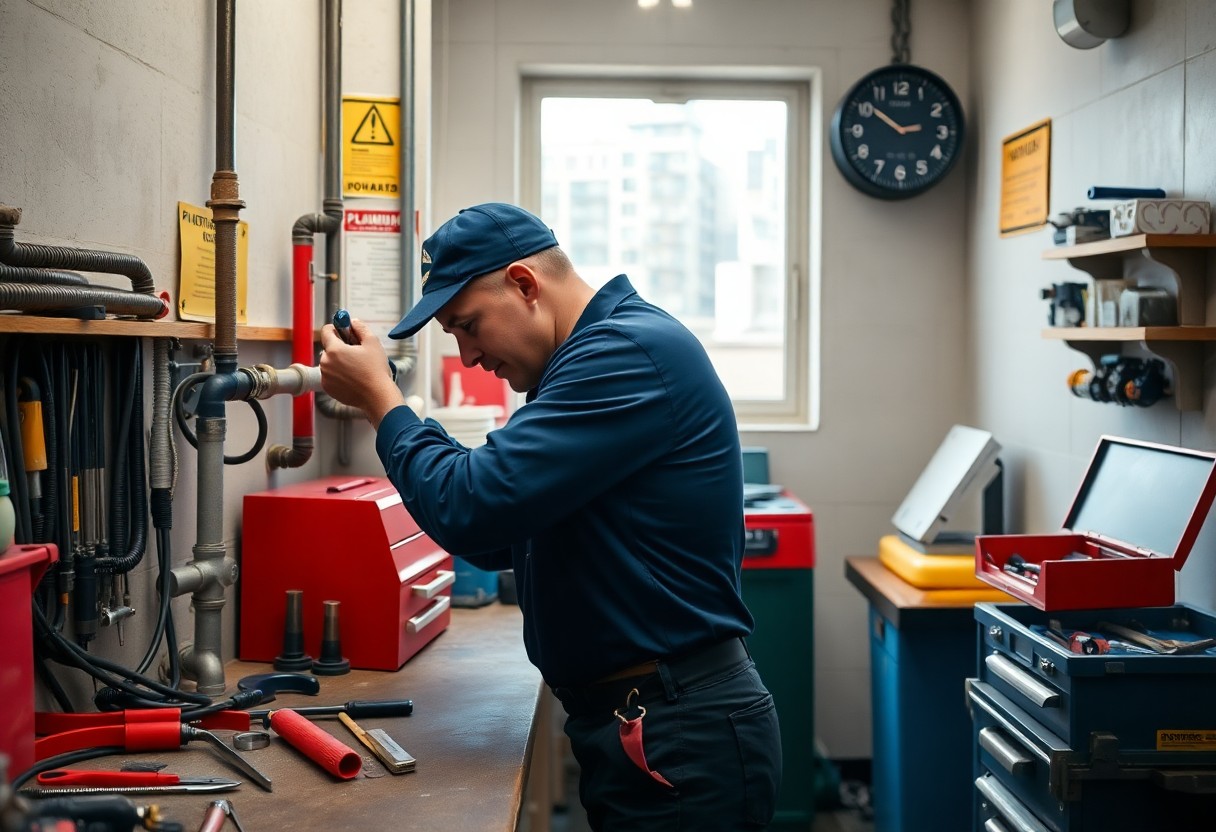
Top Trade Jobs Suitable for PR Applicants
Australia offers numerous trade jobs that are ideal for Permanent Residency (PR) applicants. These roles not only meet Australia’s skill shortage criteria but also promise a rewarding career. Many of these occupations provide pathways to PR through various visa programs, ensuring that skilled tradespeople can establish a stable life in Australia.
Electricians
Electricians are in high demand throughout Australia, offering you a solid career path. Opportunities span residential, commercial, and industrial sectors, allowing you to choose your preferred work environment. Completing an apprenticeship and obtaining relevant licenses are important to practice legally.
Plumbers
Plumbers play a vital role in Australia’s infrastructure, making their profession indispensable. With strong job prospects and the capacity for self-employment, qualified plumbers are highly sought after. Engaging in continuous professional development can further enhance your skills and employability.
The plumbing sector is particularly robust, driven by consistent construction and renovation trends. You’ll find opportunities across urban and rural areas, often earning an attractive salary ranging from $60,000 to $80,000 annually. Additionally, specialized plumbing services can increase your income potential. Opportunities for advancement into leadership roles or business ownership add to the appeal of this trade.
Carpenters
Carpenters are important in both residential and commercial construction, with skill demands continuing to grow. This profession offers you diverse opportunities, from framing to finishing, allowing you to develop a broad range of skills. A successful carpenter can specialize in various areas, tailoring their career path according to personal interests.
Your career as a carpenter can be highly rewarding, with the average salary in Australia ranging from $60,000 to $90,000. The ongoing construction boom means that skilled carpenters are consistently in demand, ensuring job security. With opportunities to expand into management, project supervision, or even entrepreneurship, your career can continually evolve as you gain experience.
Welders
Welders are crucial in various industries, including manufacturing and construction. Your skills in metalworking and fabrication can lead to rewarding positions with competitive salaries. Advanced techniques such as TIG and MIG welding are particularly sought after in today’s job market.
The demand for skilled welders can result in earning potential upwards of $70,000 per year, depending on experience and specialization. Industries such as shipbuilding, automotive, and heavy machinery offer unique challenges and opportunities for growth. Moreover, pursuing certification in specialized welding techniques can open doors to high-paying roles and international job opportunities, making this a lucrative career choice.
Requirements for PR Applicants
To qualify for Permanent Residency (PR) in Australia as a trade applicant, you must meet specific criteria set by the Department of Home Affairs. These include possessing relevant qualifications, proving your work experience, and demonstrating your suitability through skills assessments. Understanding these requirements is important for navigating the PR application process effectively.
Skills Assessment
A skills assessment is a vital step in the PR application process. You will need to have your qualifications and work experience evaluated by a relevant assessing authority. This assessment verifies that your skills meet Australian standards for your chosen trade occupation and ensures your eligibility for visa applications.
English Proficiency
English proficiency is mandatory for PR applicants in Australia. You must demonstrate your language skills through standardized tests like the IELTS or TOEFL. Achieving a minimum score aligns you with the communication skills required for your trade role and daily interactions in Australian workplaces.
To meet the English proficiency requirements, you typically need to achieve a minimum IELTS score of 6.0 in each band, although some trades may require higher scores. This demonstrates that you can effectively communicate with colleagues and clients, ensuring workplace safety and efficiency. Consider preparing through language classes or practice tests to enhance your chances of obtaining the required scores.
Visa Options for Trade Professionals
Trade professionals looking to settle in Australia have several visa pathways available, each tailored to different qualifications and employment situations. Navigating these options effectively can significantly impact your ability to live and work in Australia long-term. Understanding the requirements and benefits of each visa will help you choose the right one for your circumstances.
Skilled Independent Visa
The Skilled Independent Visa (subclass 189) offers a pathway for trade professionals who possess skills in demand throughout Australia. This points-based visa does not require employer sponsorship and allows you to live and work in any location. To qualify, you need a relevant occupation on Australia’s Medium and Long-term Strategic Skills List (MLTSSL) and a minimum score in the age, English language, skills, and work experience criteria.
Employer-Sponsored Visa
Trade professionals with an offer from an Australian employer can pursue the Employer-Sponsored Visa (subclass 186). This visa allows you to work in Australia while your employer supports your application. It’s an excellent option for those aiming for a permanent residency that comes with job security. Your employer must be accredited, and your occupation must be on the relevant skilled occupation list.
This visa consists of three streams: the Direct Entry stream for those with skills and qualifications, the Temporary Residence Transition stream for professionals transitioning from a temporary visa, and the Labor Agreement stream for those working under a labor agreement. Depending on your qualifications and job offer, an Employer-Sponsored Visa can lead to permanent residency, providing not only stability but also greater access to Australia’s labor market, enhancing your career prospects significantly.

Steps to Secure a Trade Job in Australia
Securing a trade job in Australia involves several strategic steps to optimize your chances. Begin with thorough research on the trades in demand, obtaining the necessary qualifications, and understanding the job market landscape. Tailor your resume and cover letter to highlight your skills and experiences that align with Australian standards. Additionally, securing relevant licenses and certifications can significantly enhance your employability in the competitive landscape.
Job Search Strategies
Utilize various platforms for your job search, including specialized trade job boards, LinkedIn, and recruitment agencies focused on trades. Tailor your search criteria to match the specific skills in demand within your industry. Consider setting up job alerts for timely updates on relevant positions, and regularly check local classifieds and community bulletin boards where many trade roles are advertised.
Networking in the Industry
Your network can open doors to opportunities often not listed publicly. Connecting with industry professionals can provide insights into available positions and trends. Attend industry-specific events, workshops, and trade shows to meet potential employers and peers. Engaging in online forums and social media groups centered around your trade can also help foster valuable relationships.
Building relationships with professionals in your field can prove invaluable. Actively participating in local trade associations gives you access to job openings before they hit mainstream job markets. Consider requesting informational interviews with experienced tradespeople to gain insights into their career paths and any advice they may have. Joining professional organizations relevant to your trade also enhances credibility and boosts your visibility in the market, which can lead to referrals and job opportunities.
Challenges Faced by PR Applicants in Trade Jobs
Transitioning to a trade job in Australia as a PR applicant can pose several challenges. Notably, navigating the complex landscape of qualifications and certifications required for trades can be daunting. You may find that your skills and experience are not directly recognized by Australian standards, leading to potential delays in employment. Additionally, competition within the job market, particularly in sought-after trades, can be fierce, necessitating a proactive approach to networking and skill enhancement.
Recognition of Overseas Qualifications
Securing recognition of your overseas qualifications can be a significant hurdle. The Australian government mandates that many trade professionals undergo assessments through specific assessing authorities. Unfamiliarity with these processes might delay your job prospects, as you may need to provide comprehensive documentation proving your skills and experience, which could take time to gather.
Adapting to Australian Work Culture
Adapting to Australian work culture is necessary for success in your trade career. The work environment in Australia often emphasizes teamwork, direct communication, and a strong work-life balance. You might notice a preference for informality in interactions and a focus on a collaborative approach rather than just individual achievements. This cultural shift can require adjustments in how you communicate and approach problems.
Engaging with colleagues in a direct and respectful manner becomes vital in understanding the Australian ethos of equality and mutual respect. While punctuality is valued, the emphasis on work-life balance means appreciating personal time too. You might also encounter the concept of “tall poppy syndrome,” where modesty is appreciated, encouraging you to showcase your skills without appearing boastful. Participating in team-building activities and open discussions can help foster strong working relationships, enhancing integration into the Australian workforce.
Conclusion
Summing up, exploring the best trade jobs for Australian PR applicants can significantly enhance your chances of securing permanent residency. Focusing on in-demand occupations like electricians, plumbers, and carpenters can provide you with a pathway to a successful career and stable life in Australia. By aligning your skills with market needs, you position yourself favorably in the competitive landscape, making your transition smoother and more rewarding.
FAQ
Q: What are the best trade jobs for Australian PR applicants?
A: Some of the best trade jobs include electricians, plumbers, carpenters, welders, and HVAC technicians. These roles are in high demand across various regions in Australia.
Q: What qualifications are needed for trade jobs in Australia?
A: Qualifications vary by trade but generally include a Certificate III in a relevant field, completion of an apprenticeship, and sometimes a trade registration or license, depending on the occupation.
Q: How can I find job opportunities in the trade sector?
A: Job opportunities can be found through online job boards, trade-specific recruitment agencies, networking within industry groups, and by looking for local advertisements in newspapers or community notices.
Q: Is work experience important for getting a trade job in Australia?
A: Yes, work experience is beneficial. It enhances your resume, demonstrates your skills, and can lead to better job offers, as many employers prefer candidates with practical experience.
Q: What is the process for obtaining a trade license in Australia?
A: The process involves checking the specific requirements for your trade in each state or territory, completing required training and assessments, and applying through the relevant licensing authority.
Q: Are there specific regions in Australia that need more trade workers?
A: Regions with growing infrastructure projects, such as Western Australia, Queensland, and New South Wales, typically have a higher demand for skilled trade workers due to ongoing development and population growth.
Q: What are the benefits of being a tradesperson in Australia?
A: Benefits include job security due to high demand, competitive salaries, opportunities for self-employment or contracting, and the ability to work in diverse environments and locations.