
Most applicants seeking permanent residency (PR) in Australia from India in 2025 will experience varying processing times influenced by several factors. While some may benefit from faster processing due to streamlined procedures, others may face longer wait times linked to documentation and application completeness. It’s necessary to stay updated on changes in immigration policies that could impact your application timeline. By understanding these elements, you can better navigate the PR process and enhance your chances of a successful and timely outcome.

Key Takeaways:
- Processing times for Australia PR applications from India may vary based on visa subclass.
- On average, processing times could range from 6 months to over 2 years.
- Recent updates indicate potential delays due to increased application volumes.
- Certain skilled visa categories may experience faster processing times.
- Completeness of the application significantly affects processing duration.
- Regular updates from the Department of Home Affairs can provide insights on current timelines.
- Applicants are advised to stay informed about policy changes that could impact processing times.
Overview of Australia PR
Australia’s Permanent Residency (PR) grants you the ability to live, work, and study in the country indefinitely. It opens the door to numerous opportunities, including access to healthcare benefits and the possibility of eventual citizenship. Understanding PR is important for those seeking a long-term future in Australia.

Types of Permanent Residency Visas
The various types of PR visas cater to different individuals based on skills and circumstances. Here are the main categories:
- Skilled Independent Visa (subclass 189)
- Skilled Nominated Visa (subclass 190)
- Employer-Sponsored Visa (subclass 186)
- Family Reunion Visa (subclass 801)
- Business Innovation and Investment Visa (subclass 888)
After reviewing options, you can choose the visa that aligns with your qualifications and goals.

| Visa Type | Description |
| Skilled Independent Visa (subclass 189) | For skilled workers not sponsored by an employer or family member. |
| Skilled Nominated Visa (subclass 190) | Requires nomination by a state or territory government. |
| Employer-Sponsored Visa (subclass 186) | For skilled workers chosen by employers in Australia. |
| Family Reunion Visa (subclass 801) | For partners or spouses of Australian citizens or PR holders. |
| Business Innovation and Investment Visa (subclass 888) | For business owners and investors. |
Eligibility Criteria
To be eligible for Australia PR, you must meet specific criteria depending on the visa subclass you apply for. Generally, these include age limits, skill assessments, English language proficiency, and health and character requirements.
Key eligibility factors involve a points-based system for skilled migration, where points are awarded based on age, work experience, qualifications, and language skills. For family reunion visas, relationships and sponsorship eligibility take precedence. You will need to provide adequate documentation to prove your qualifications and meet all health and character standards set by the Australian government. This thorough vetting process ensures that all applicants align with Australia’s values and workforce needs.
Current Processing Times
Current processing times for Australia PR applications from India typically fluctuate based on various factors and visa subclasses. On average, you can expect processing durations between 6 to 12 months, though some applications may experience delays due to specific circumstances. Keeping track of your application’s specific status through the Department of Home Affairs can provide insights into your waiting time.
Factors Influencing Processing Times
Several factors affect the speed of your application processing.
- Visa subclass
- Completeness of application
- Background checks
- Demand for specific visas
The combination of these elements determines how long you will need to wait for a decision on your application.
Country-Specific Considerations
Your citizenship and residence status can notably alter processing times. For instance, applications from India may take longer due to local demand, common documentation issues, and processing backlogs. Each application is analyzed through its unique context, which can lead to variances in how quickly or slowly a decision is rendered.
Application Process
The Australia PR application process involves several stages, from assessing your eligibility to submitting your final application. You will need to collect relevant documents, complete necessary tests, and be aware of the visa categories that suit your profile. Following a structured approach will enhance your chances of a smoother processing experience.
Preparing Your Application
Gathering the right documents is fundamental to the preparation stage. You must compile a comprehensive set of materials including educational qualifications, work experience certificates, and proof of English proficiency. Each document should be correctly certified and translated if necessary, ensuring that all information aligns with Australian immigration standards.
Submission and Fees
Once your application is prepared, the submission can take place online through the Department of Home Affairs website. Fees vary by visa category; for example, the Skilled Independent Visa (subclass 189) may require a fee around AUD 4,240. Make sure to check the current fee structure as it may change from year to year.
In addition to the base application fee, there may be other costs like health assessments and police checks that contribute to overall expenses. For instance, health examinations could range from AUD 300 to AUD 500 depending on the provider. Ensure that your financial planning accounts for these expenses to avoid any interruptions in your application process.
Common Challenges and Delays
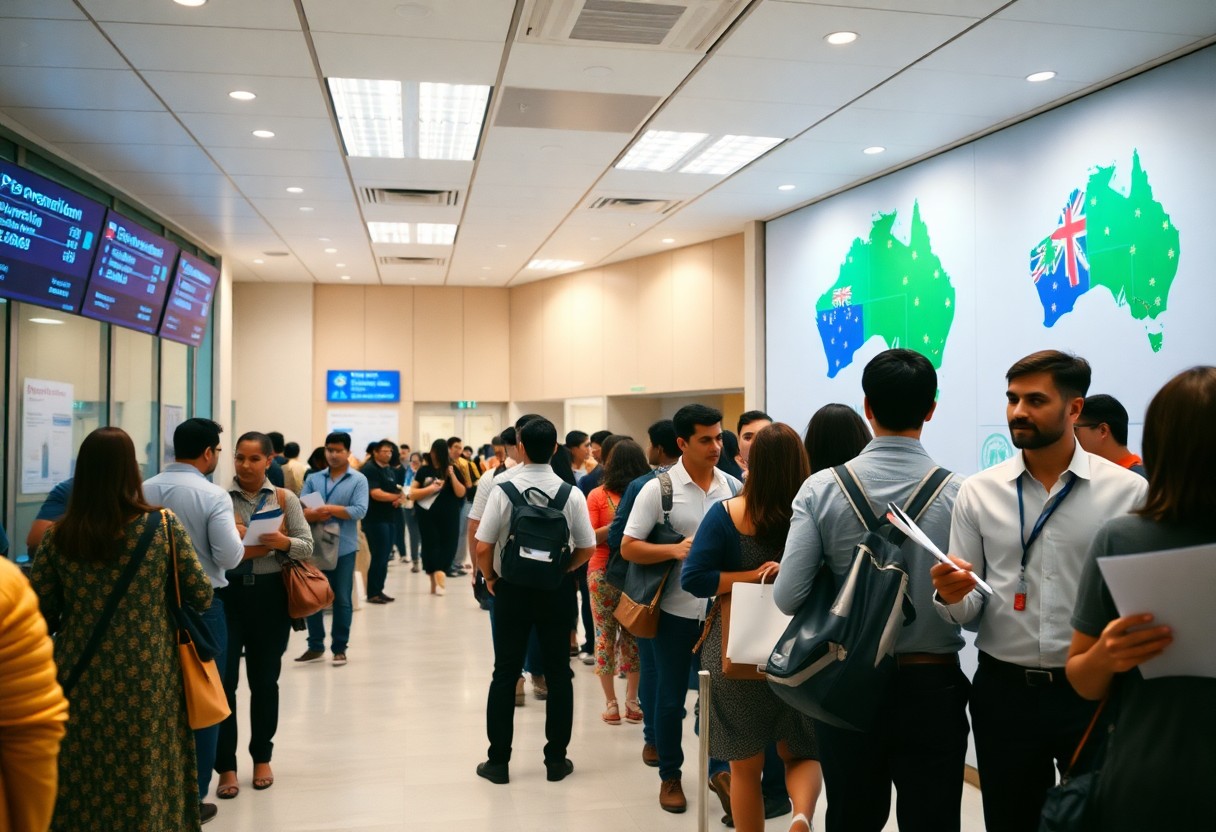
Processing your Australia PR application from India can encounter several challenges leading to delays. These include insufficient documentation, lengthy processing times due to application backlogs, and increased scrutiny on applicants, especially during peak seasons. Each of these factors can significantly impact your waiting time, making it imperative to stay informed and proactive.
Documentation Issues
Incomplete or incorrect documentation is a frequent cause of application delays. Submitting forms with missing information or discrepancies can lead to requests for additional evidence, extending your processing timeline. Ensure you meticulously check all requirements listed by the Department of Home Affairs and provide accurate, thorough documentation with your application.
Other Potential Setbacks
Besides documentation problems, other setbacks can include shifts in immigration policies, changes in eligibility criteria, and increased demand during specific periods. These factors often lead to longer wait times for processing, increased competition among applicants, and a need for more thorough assessments.
Immigration policy changes can reshape eligibility requirements and processing standards, adding to your uncertainty. For instance, if Australia introduces new skills shortage lists or alters points allocation for various visas, you may find your application suddenly requires more proof of skills or relevant work experience. Additionally, seasonal fluctuations in applications, such as during graduation seasons, can overwhelm processing capacities, lengthening wait times. Keeping abreast of these shifts can position you better to navigate potential delays effectively.
Tips for Expediting the Process
To speed up your Australia PR processing time, you can take several proactive steps. Start by ensuring your application is thoroughly prepared, and consider utilizing professional assistance if needed. Additionally, stay organized and maintain regular communication with your contacts at immigration. Following best practices can make a significant difference in your timeline. Document completeness, timely submissions, and continuous follow-ups will enhance your chances for a quicker response. Thou must remain attentive and engaged throughout the process.
Ensuring a Complete Application
Your application completeness significantly impacts processing time. Double-check that all required documents, such as identity proof, skills assessments, and health checks, are included. Use a checklist specific to your visa subclass to avoid missing crucial elements. Submitting an incomplete application can lead to delays and requests for additional information, extending your waiting period.
Following Up With Immigration
Regular follow-ups can be highly effective in tracking your PR application status. At strategic intervals, after submitting your application, reach out to the immigration office to enquire about your case. This demonstrates your interest and can even prompt quicker responses from the officials. Ensure you have your application details at hand for smoother communication.
Establishing a follow-up routine is advantageous; consider waiting two to four weeks post-submission before your first inquiry. Keep records of all communication, including dates and names of officers you contact. If delays extend beyond typical processing times, emphasize your desire for updates during subsequent check-ins. Such diligence reinforces your commitment to the process and may encourage expedited handling of your case.

Resources for Applicants
Accessing the right resources can significantly enhance your chances of a smooth PR application process. Various official platforms and professional services tailor their offerings to meet the needs of applicants from India seeking Australia PR. Leveraging these resources can provide you with current information and expert guidance to navigate the complexities of immigration.
Official Government Websites
The Department of Home Affairs is the primary source of information regarding Australia’s immigration policies and procedures. Their website provides detailed guidelines, application forms, and up-to-date information on processing times. Regularly checking this site ensures that you are aware of the latest changes that may impact your application process.
Immigration Consultants and Agencies
Utilizing the services of registered immigration consultants can streamline your application journey. They offer personalized assistance based on your specific situation, ensuring your documents are correctly prepared and submitted, thus reducing potential delays.
Choosing a reputable immigration consultant or agency can greatly alleviate stress and improve your application experience. Look for consultants who are registered with the Migration Agents Registration Authority (MARA), as they adhere to strict professional standards. Many agencies offer packages that include eligibility assessments, document preparation, and interview coaching, which can make a significant difference in your outcome. Their expertise can prove invaluable, especially in complex cases where additional documentation or clarifications may be required.
Final Words
Following this, you should be aware that the Australia PR processing time from India is expected to remain competitive in 2025. As you navigate the application process, ensure all your documents are complete and up-to-date, as this can significantly affect your timeline. Regularly check for updates from the Department of Home Affairs and stay informed about any changes to immigration policies that may impact your application. Being proactive can enhance your chances of a smoother experience in securing your permanent residency.
FAQ
Q: What is the current processing time for Australia PR from India as of 2025?
A: As of 2025, the processing time for Australia Permanent Residency (PR) applications from India varies, generally ranging from 8 to 12 months for skilled visa categories.
Q: How does the type of visa affect processing times?
A: Different visa subclasses have varying processing times. For instance, general skilled migration visas typically take longer than family reunion visas.
Q: Are there any factors that can expedite my Australia PR application?
A: Yes, factors such as having a higher skill set, being in a demand occupation, and submitting a complete application can help expedite processing times.
Q: What documents are required to ensure timely processing of my PR application?
A: Essential documents include proof of identity, skills assessment, English language proficiency test results, and health and character certificates.
Q: How can I check the status of my Australia PR application?
A: Applicants can check the status of their PR application by logging into the ImmiAccount on the Department of Home Affairs website.
Q: Is there any way to appeal a delayed decision on a PR application?
A: Yes, if your application is delayed beyond the estimated processing timeline, you may contact the Department of Home Affairs or seek legal advice for options available to you.
Q: Will Australia’s immigration policies in 2025 affect my PR processing time?
A: Yes, immigration policies can change, potentially impacting processing times and eligibility criteria. Staying updated through official government channels is advisable.