
Just like many Filipino hospitality workers, you can find a rewarding career in Australia, and applying for permanent residency (PR) can be a life-changing step. This guide will walk you through the crucial processes and documentation required, as well as the new opportunities available for you in this beautiful country. Understanding the Visa options and eligibility criteria specific to your industry is vital to ensure your application is a success. Get ready to navigate the path to your Australian dream!
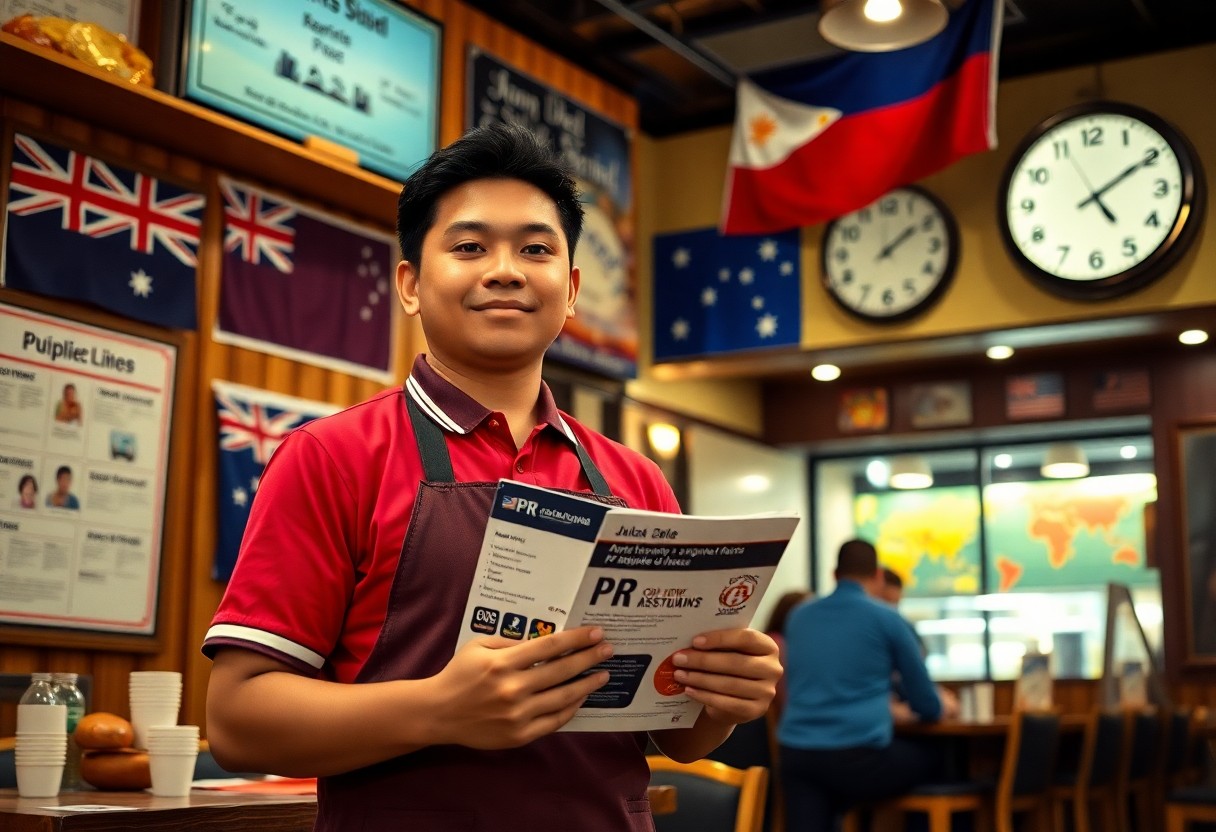
Key Takeaways:
- Filipino hospitality workers in Australia have various pathways to apply for Permanent Residency (PR), often depending on their skills and occupation.
- The General Skilled Migration (GSM) program is a popular option, allowing eligible workers to apply for PR based on their skills and qualifications.
- Australian visa programs, such as the Employer Nomination Scheme (ENS) and the Skilled Independent visa, can provide pathways for hospitality workers seeking PR.
- Meeting the skill requirement and obtaining a relevant qualification in hospitality can enhance the chances of securing PR.
- Consulting with an immigration expert can help clarify the application process and improve the chances of success.
- Having a job offer from an Australian employer can significantly bolster the PR application, especially for those on temporary work visas.
- Understanding English language requirements and preparing for them is necessary, as language proficiency can influence visa application outcomes.
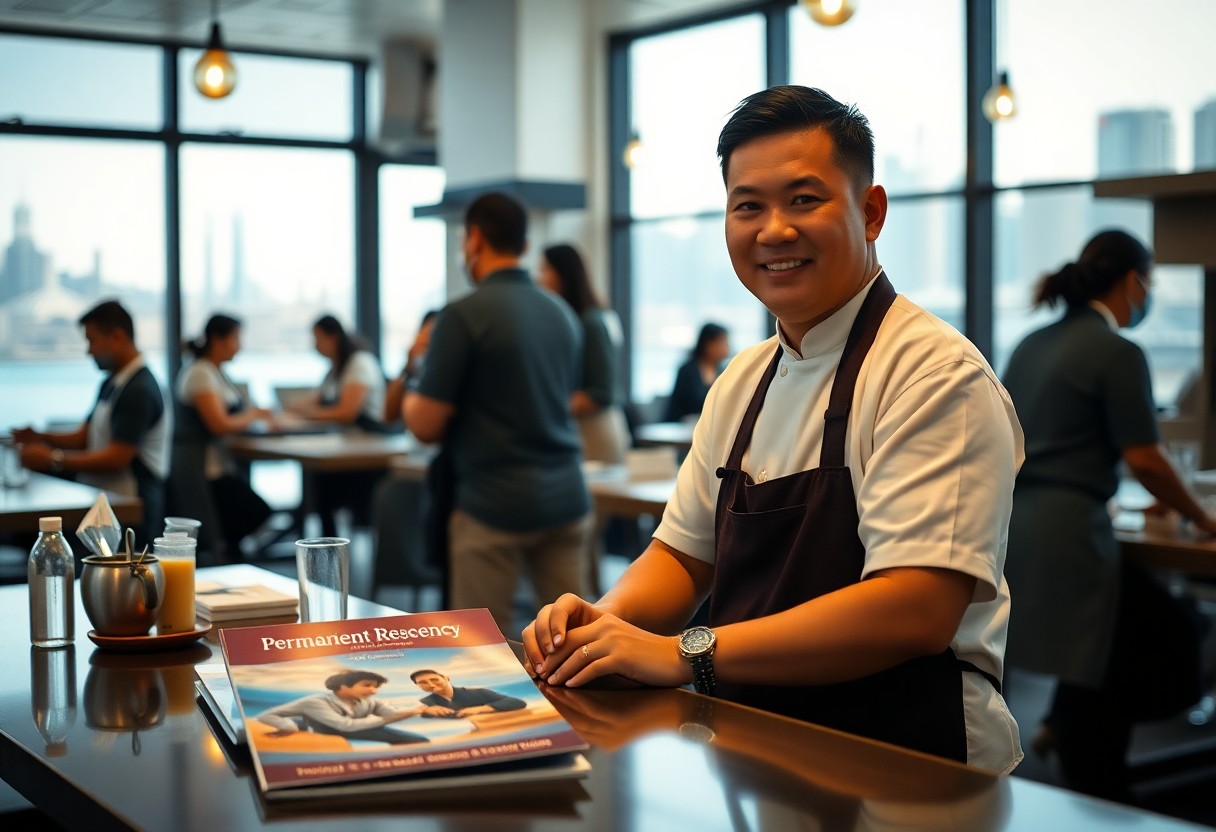

The Pathway to Permanent Residency: Key Visa Options for Filipino Hospitality Workers
Several visa options can lead you to permanent residency, each with specific requirements and benefits tailored for hospitality workers. Understanding these pathways is necessary for making an informed choice that suits your skills and career goals within Australia’s thriving hospitality sector.
Evaluating the Employer-Sponsored Visa
The Employer-Sponsored Visa can be an attractive option if you’ve received a job offer from an eligible Australian employer. This pathway allows your employer to nominate you, facilitating a smoother transition to permanent residency. Your employer must meet specific criteria, including demonstrating a genuine need for your role in their business.

Exploring the Skilled Migration Visa
The Skilled Migration Visa is available for individuals with the skills and qualifications needed in Australia’s job market. As a hospitality worker, you should check if your occupation is on the relevant skilled occupation list. Successful applicants may gain additional points through factors like work experience, language proficiency, and age.
To qualify for the Skilled Migration Visa, you can submit an Expression of Interest (EOI) through the SkillSelect system. Your application is then ranked based on a points system, which considers various factors including your work experience (minimum of 1 year in your field), education, age (you should ideally be under 45 years), and proficiency in English. If your skills are in high demand, your chances of receiving an invitation to apply for the visa improve significantly.
Understanding the Regional Sponsored Migration Scheme
The Regional Sponsored Migration Scheme (RSMS) allows employers in regional Australia to sponsor skilled workers for permanent residency. This option benefits both you as a worker and the regional economy, as it addresses skill shortages outside metropolitan areas. You must work in a nominated position and meet specific criteria set by the Australian government.
Under the RSMS, you can apply for a range of occupations listed under the relevant ANZSCO codes, particularly those that are in short supply in regional areas. Your employer must demonstrate their commitment to your role in the region, which can significantly boost your likelihood of approval. Additionally, living and working in a regional area can enhance your placement in future visa applications and pathways to citizenship.
Documenting Your Journey: Essential Requirements and Evidence
Successfully applying for permanent residency (PR) in Australia as a Filipino hospitality worker requires comprehensive documentation. Evidence of your work experience, English language proficiency, as well as meeting health and character requirements will play a pivotal role in your application. Gathering these materials effectively will not only enhance your submission but also streamline the path to securing your PR. Each element serves to validate your eligibility and preparedness for a longer stay in Australia.
Gathering Proof of Work Experience
Your work experience must be substantiated through a variety of documents, including reference letters from employers, payslips, and tax records. Ideally, this evidence should detail your roles and responsibilities within the hospitality sector to demonstrate your skills and expertise. Collect at least two to three comprehensive references that outline your contributions and length of service.
Complying with English Language Proficiency Standards
Achieving the required scores on recognized English proficiency tests—such as IELTS or TOEFL—ensures you meet Australia’s language standards. You can retake the tests if needed, so don’t hesitate to practice thoroughly. The minimum score may vary according to the visa subclass, with higher scores beneficial for competitive applications.
This aspect is particularly important as a high level of English proficiency not only facilitates your integration into the Australian workforce but also boosts your application’s attractiveness. A score of at least 6.0 in each band of the IELTS test is often necessary, though higher scores can provide an advantage in the points-based system. Be prepared to present your test results as part of your application, and ensure they remain valid according to Australian immigration timelines.
Navigating Health and Character Requirements
You are required to undergo specific health assessments and provide police clearance certificates as part of the application process. These documents prove your fitness for residing in Australia without posing a health risk.
Health requirements typically involve a medical examination conducted by an approved panel physician. The focus is on identifying any conditions that may have significant public health implications or potential costs to Australia’s healthcare system. Similarly, obtaining character certificates from law enforcement entities will ensure you can demonstrate your commitment to embracing the Australian way of life—this can include evidence of good conduct from your home country or any countries you’ve previously resided in. It is vital to address these aspects early in your application process to avoid unforeseen delays.
Crafting a Successful Application: Tips for Filipino Hospitality Workers
Creating a strong application is important for Filipino hospitality workers aspiring to achieve permanent residency (PR) in Australia. Focus on clarity, organization, and valid evidence to make your case compelling. Here are some key tips:
- Tailor your application to meet specific visa requirements.
- Highlight your relevant experience in the hospitality sector.
- Present clear and organized documentation.
- Utilize testimonials from employers to bolster your application.
- Seek feedback from peers or mentors before submitting.
This methodical approach will enhance your chances of a successful application.
Highlighting Relevant Skills and Experience
Detailing your relevant skills and experience strengthens your application significantly. Focus on customer service, management skills, and any specialized training you’ve acquired in the hospitality sector. Use specific examples, such as successfully managing a team or improving customer satisfaction scores, to illustrate your expertise. Showcasing these skills indicates your readiness to contribute positively to Australia’s workforce.
Common Pitfalls to Avoid in Your Application
Failing to address mandatory requirements is a frequent error for applicants. You might overlook key documents or misinterpret important eligibility criteria, which can lead to application rejection. Common mistakes include submitting incorrect information, lacking detailed references, or not adhering to the specified format. Make sure to double-check everything before submission to avoid these issues.
Additionally, many applicants neglect to present their skills compellingly or assume that their general experience is sufficient. It’s vital to clearly articulate how your background aligns with the Australian job market. A vague application can hinder your chance of being selected. Establishing a clear connection between your experience and the needs of potential employers showcases your value as a candidate for permanent residency.
Utilizing Professional Help: Agents vs. DIY
Deciding whether to engage a migration agent or tackle the application yourself plays a crucial role in the process. Experienced agents can offer specialized knowledge and streamline the application process. They help you navigate the complicated migration laws and can advise on the best strategies to enhance your application. However, employing an agent comes at a cost, so consider your budget and personal comfort with the DIY approach.
Many successful applicants opt for a mix of both methods. Taking advantage of professional services for specific parts, such as legal advice, while managing documentation independently can be a great balance. Essentially, have the right support system in place while remaining involved in your application will empower you to land a successful path to PR.
Real-Life Insights: Experiences from Successful Applicants
Hearing from those who have navigated the path to permanent residency in Australia provides valuable perspectives. Many successful applicants share stories of perseverance, emphasizing that dedication, preparation, and resilience were key factors in achieving their goals. They encountered various challenges along the way, from obtaining necessary certificates to securing endorsements from their employers. Their experiences highlight not just the procedural aspects of the application but also the importance of community support and adaptability.
Case Stories: Challenges Overcome
Countless Filipino hospitality workers faced significant hurdles on their journey to PR. One notable case involved a chef who initially struggled with English proficiency. By enrolling in language courses and immersing himself in the local culture, he dramatically improved his communication skills, which ultimately played a pivotal role in his successful application for permanent residency.
Advice from Those Who Made the Leap
Diving into the experiences of successful applicants reveals practical advice that can significantly aid your journey. Many emphasize the importance of thorough research about the visa process and requirements. Networking with those who have already made the transition can offer insights and even mentorship opportunities. Additionally, staying organized and proactive about gathering documents and maintaining up-to-date qualifications can streamline your application process.
Creating connections within the Filipino community in Australia can also prove invaluable. Many newcomers suggest participating in local events, cultural gatherings, and online forums where you can gain insights, share experiences, and build relationships with those who have already faced similar challenges. Empowering yourself with knowledge about the specifics of your desired visa pathway and remaining adaptable in the face of uncertainties can enhance your chances of success and create a smoother transition into your new life in Australia.

Beyond the Application: Preparing for Life as a Permanent Resident in Australia
Transitioning to life as a permanent resident in Australia involves much more than just completing paperwork. Adapting to your new environment will require an understanding of cultural norms, legal rights, and societal expectations to ensure a smoother integration. Preparing yourself for the myriad of experiences that come with permanent residency will not only make your transition easier but will also enhance your overall quality of life in Australia.
Understanding the Cultural Adjustment Process
Cultural adjustment can be a multi-faceted journey, as you encounter new social cues and customs daily. Familiarizing yourself with local traditions, cuisine, and communication styles can greatly ease feelings of isolation or homesickness. Engaging with local Filipino communities or support groups can provide a sense of belonging and create a network where shared experiences foster connection.
Exploring Opportunities for Career Advancement
Australia’s hospitality sector offers numerous pathways for career advancement. By enrolling in localized training programs or pursuing certifications, you can sharpen your skills and increase your employability. Additionally, participating in workshops or networking events can connect you with industry leaders, paving the way for potential mentorship and job opportunities.
In the hospitality industry, enhancing your qualifications can lead to positions with more responsibilities and higher salaries. For instance, obtaining certifications in food safety, management, or specialized cooking techniques can set you apart. Many employers value continuous improvement and actively seek candidates willing to learn and grow. Furthermore, participating in programs offered by organizations, such as the Australian Tourism and Hospitality Institute, can provide valuable insights into the latest trends and best practices in the industry. Networking with peers at events like the Australian Hospitality Industry Conference can also open doors to new job opportunities and career pathways.
Summing up
The pathway to securing Permanent Residency in Australia as a Filipino hospitality worker involves understanding the requirements and processes specific to your situation. By gathering the necessary documentation, ensuring you meet the eligibility criteria, and staying updated on changes in immigration policies, you can enhance your chances of a successful application. Take proactive steps in exploring resources, seeking professional advice if needed, and being diligent in your preparation. This journey can lead to rewarding opportunities in the vibrant Australian hospitality sector.
FAQ
Q: What are the eligibility requirements for Filipino hospitality workers to apply for Permanent Residency (PR) in Australia?
A: To be eligible for PR, Filipino hospitality workers typically need to have a valid work visa, relevant work experience in the hospitality industry, and meet the skills assessment criteria. They may also need to demonstrate proficiency in English and fulfill any additional requirements set by the Australian government.
Q: What types of visas can Filipino hospitality workers hold before applying for PR?
A: Filipino hospitality workers can hold several types of visas, including the Temporary Skill Shortage (TSS) visa, the Employer Nomination Scheme (ENS) visa, or the Regional Sponsored Migration Scheme (RSMS) visa. Each of these visas has specific conditions and pathways toward PR.
Q: How can I improve my chances of obtaining PR as a hospitality worker?
A: Improving your chances for PR can involve accruing relevant work experience, obtaining additional certifications or qualifications in hospitality, enhancing your English language skills, and possibly securing a job offer from an employer willing to sponsor you for residency.
Q: What is the skills assessment process for hospitality workers?
A: The skills assessment process involves having your qualifications and work experience evaluated by a relevant assessing authority in Australia. For hospitality workers, this typically means submitting documentation and proving that your skills match the requirements for your nominated occupation.
Q: Are there any specific occupations in hospitality that have more demand in Australia?
A: Yes, occupations such as chefs, waitstaff, and restaurant managers often have higher demand due to Australia’s thriving hospitality industry. It’s beneficial to research the current labor market and immigration lists to identify in-demand roles that could enhance your PR application.
Q: How long does the PR application process take for hospitality workers from the Philippines?
A: The processing time for PR applications can vary significantly based on several factors, including the type of visa application submitted, the completeness of your application, and the volume of applications being processed. On average, it may take anywhere from several months to over a year.
Q: What financial documents are required when applying for PR as a hospitality worker?
A: Applicants are typically required to provide proof of financial stability, which may include bank statements, pay slips, and tax returns. These documents help demonstrate that you can support yourself and any dependents while residing in Australia.