
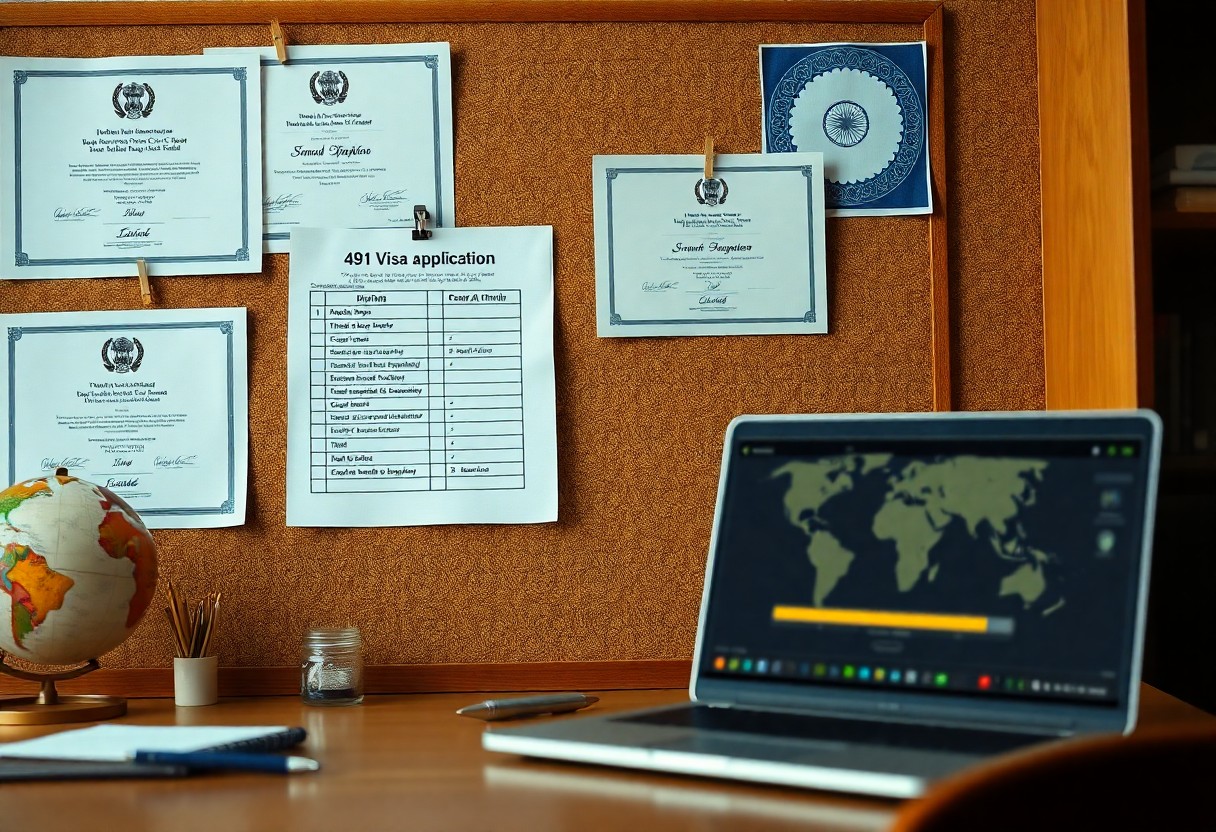
Just navigating the complexities of the 491 visa application can be overwhelming for Indian engineers seeking skilled migration to Australia. This guide will provide you with a clear, step-by-step process to successfully apply for this visa, highlighting key requirements and potential pitfalls to avoid. By following this structured approach, you can streamline your application and enhance your chances of securing your future in Australia.
Key Takeaways:
- Understand the eligibility criteria for the 491 visa, specifically for Indian engineers.
- Gather necessary documentation, including skills assessments, qualifications, and work experience proof.
- Choose a state or territory that aligns with your skills and occupation for nomination.
- Complete a skills assessment through the relevant assessing authority for your occupation.
- Submit an Expression of Interest (EOI) through SkillSelect to indicate your intention to apply.
- Receive an invitation to apply for the visa if selected from the EOI pool.
- Complete the visa application process, including health and character checks, within the given timeframe.
Decoding the 491 Visa Process
The 491 Visa process involves several clear stages that you must navigate to achieve a successful application. Initially, candidates must be nominated by a state or territory government, followed by an online application submission through SkillSelect. You then have to provide supporting documents, including identity proof and qualifications, before waiting for the outcome. Timeliness and accuracy in your submissions are key to avoiding delays and ensuring compliance with immigration requirements.

Key Eligibility Requirements for Indian Engineers
To qualify for the 491 Visa, you must meet specific eligibility criteria. You need a relevant engineering qualification that aligns with your nominated occupation on the Skilled Occupation List. A minimum age of 18 and English language proficiency at the required level are also vital. Additionally, obtaining a nomination from an eligible state or territory in Australia is a must, and having your skills assessed by a recognized authority in your engineering field will further bolster your application.
Essential Skills Evaluations and Qualifications
Your qualifications and skills must undergo a thorough evaluation to demonstrate that they meet Australian standards. This assessment, usually conducted by Engineers Australia, examines your educational background and professional experience specific to your engineering discipline.

For Indian engineers, the skills evaluation process typically involves providing your academic transcripts and a detailed resume outlining your professional history. You may also be required to complete an assessment test or submit a presentation of your projects. A positive outcome in this evaluation is critical, as it confirms that your skills align with Australian industry requirements. Ensure that you gather all necessary documentation meticulously to facilitate a smooth evaluation process, focusing on specific engineering elements related to your career path, as discrepancies may lead to application rejection.
Navigating the Application Portal
Accessing the application portal for the 491 visa is important for a smooth submission. You’ll need to create an account on the official immigration website, which provides a user-friendly interface and step-by-step guidance. Ensure your internet connection is stable as any disruptions can lead to incomplete submissions or data loss. Familiarize yourself with the layout and features to streamline your application process effectively.
Step-by-Step Guide to Online Submission
| 1. Create an account on the Australian Government immigration website. |
| 2. Complete your personal details and eligibility questionnaire. |
| 3. Upload required documents, ensuring they meet specified formats. |
| 4. Review your application for accuracy before submission. |
| 5. Submit your application and save the confirmation receipt. |
Common Technical Issues and Troubleshooting
Technical difficulties can arise while using the application portal, potentially hindering your submission process. Common issues include login failures, document format errors, and timeout problems due to prolonged inactivity. Address these challenges promptly by ensuring your browser is up-to-date, using compatible file formats, and avoiding excessive time spent on one page.
Many applicants report login failures due to incorrect credentials or browser compatibility issues. Use a supported browser like Google Chrome or Firefox and clear cached data if problems persist. For document submission, ensure all uploaded files adhere to the required formats—usually PDF or JPEG—to prevent rejections. If you encounter a timeout, routinely save your progress and refresh the page as needed. Familiarizing yourself with these troubleshooting steps makes the overall application process smoother and less stressful.

Crafting a Winning Expression of Interest (EOI)
Creating an impactful Expression of Interest (EOI) is vital for your 491 visa application. Tailor your EOI to reflect your unique qualifications and skills as an engineer. Focus on showcasing your relevant experience, aligning it with Australia’s occupation requirements. Highlight your strengths and express your commitment to contributing to the Australian economy while ensuring clarity and professionalism in your presentation.
Strategies for Effective Personal Statements
Your personal statement needs to be compelling and authentic. Clearly outline your professional journey, emphasizing technical skills, projects, and achievements relevant to engineering. Use specific examples that highlight your problem-solving abilities and teamwork. Articulate your passion for engineering and how it aligns with Australia’s innovative landscape, making a strong case for why you deserve the 491 visa.
Maximizing Points for Skills Assessment
To enhance your chances for the 491 visa, maximizing points during your skills assessment is crucial. Assessors prioritize qualifications and experience that are closely tied to Australian standards. Ensure your qualifications are recognized by relevant Australian authorities, and demonstrate your proficiency with sufficient documentation to back your claims.
One effective way to maximize points for skills assessment is to thoroughly research the relevant assessing authority’s guidelines. For instance, consider obtaining a positive skills assessment from Engineers Australia by submitting detailed evidence of your qualifications, work experience, and professional development. Qualifications gained outside Australia may require recognition through an accredited institution. Efficiently showcasing continuous professional development through courses and certifications also boosts your assessment score, reinforcing your commitment to staying updated within your field. This strategic approach can significantly impact your total points, increasing your chances of a successful application.
Preparing for the Waiting Game
After submitting your 491 visa application, the waiting period begins. This phase can be stressful, as uncertainties loom and the processing time is often unpredictable. Staying organized and informed will help ease your concerns. Utilize this waiting period to prepare for future steps, such as settling into your new role once your visa is granted. Patience and proactivity will prove beneficial.
Understanding Processing Times and Factors Influencing Delays
Processing times for the 491 visa can widely vary based on numerous factors that may affect your application. These include documentation quality, application completeness, and current demand levels. Generally, this visa can take anywhere from a few months to over a year for processing. Understanding these factors helps you manage expectations, so you’re mentally prepared for any extensions or delays that might arise.
- Document quality
- Application completeness
- Demand levels
- Health checks
- Character assessments
Thou should remain proactive and keep communication lines open.
How to Keep Your Application Active and Updated
Regularly updating your application status is vital to ensure it remains active within the processing pipeline. Always check the official immigration portal for any requests for further information or documents. If your circumstances change, such as a new job offer or a different skill set development, update your application accordingly. Maintaining accurate and current information can potentially speed up the process.
Checking your application status frequently allows you to catch issues early. In addition, be prepared to address any requests for additional documentation; timely responses prevent unnecessary delays. Engage with professional services if you feel overwhelmed, as they can assist in managing your application efficiently. Continuously updating your application is not only about accuracy but also demonstrates your commitment to the process. Stay vigilant, as this proactive approach can lead to a successful visa grant.
Insights from Successful Applicants
Applicants with personal stories of success share the insights that paved their way to obtaining the 491 visa. Your commitment to detailed research on the requirements, understanding state-specific needs, and presenting your skills compellingly can greatly enhance your application journey. Learning from those who navigated similar paths can help you identify potential pitfalls and effective strategies tailored to your unique situation.
Lessons Learned and Best Practices
Many successful applicants emphasize the significance of meticulous documentation and adherence to guidelines. Maintaining open communication with the relevant authorities and regularly checking for updates can also contribute to a smoother process. Additionally, focusing on your strengths and tailoring your application to highlight them plays a key role in attracting attention to your profile.
Building a Network: Connecting with Fellow Engineers
Establishing a robust network with fellow engineers not only provides emotional support but also valuable insights. Engaging in communities, both online and offline, allows you to exchange experiences, garner tips, and learn about job opportunities that align with your skills. Networking can lead to mentorships, collaborations, and even referrals, which can be instrumental in your visa journey.
Building a strong network includes leveraging platforms such as LinkedIn, professional organizations, and industry-specific forums. Joining local chapters or associations can facilitate meetings with peers and industry veterans who have also undergone the 491 visa process. Participating in webinars, workshops, or meetups dedicated to Indian engineers can further enhance your connections. These interactions foster collaboration and create an environment where you can discuss challenges-specific processes, share resources, and potentially uncover job openings that could strengthen your application.
To wrap up
To wrap up, successfully navigating the Step-by-Step 491 Visa Application process requires careful preparation and adherence to guidelines tailored for Indian engineers. By understanding eligibility criteria, gathering necessary documents, and following the application procedures, you position yourself for a smoother transition to Australia. Staying informed about specific requirements and updates can significantly enhance your chances of securing this visa, enabling you to advance your career in a thriving environment.
FAQ
Q: What is the 491 Visa for Indian Engineers?
A: The 491 Visa, or Skilled Work Regional (Provisional) visa, allows skilled workers to live and work in designated regional areas of Australia for up to five years. Indian engineers can apply under this category if they meet specific criteria and are sponsored by an eligible relative or nominated by a state or territory.
Q: What are the eligibility requirements for the 491 Visa?
A: To be eligible, applicants must be under 45 years of age, have a suitable skills assessment in an occupation on the relevant skilled occupation list, meet English language proficiency requirements, and be sponsored by an eligible relative or nominated by a state or territory government.
Q: How does the skills assessment process work for this visa?
A: The skills assessment process involves obtaining an assessment from a relevant authority that evaluates your qualifications and work experience against Australian standards. This assessment must be positive to proceed with the 491 Visa application.
Q: What documents are required for the 491 Visa application?
A: Required documents include a valid passport, skills assessment, evidence of English language proficiency, proof of age and identity, employment references, health insurance, and police clearance certificates.
Q: How long does the 491 Visa application process take?
A: The application processing time for the 491 Visa can vary, typically ranging from a few months to over a year, depending on individual circumstances, the volume of applications, and completeness of documents.
Q: What are the benefits of the 491 Visa for Indian Engineers?
A: Benefits include the ability to live and work in regional areas of Australia, access to Medicare, the possibility of obtaining permanent residency through the 191 visa pathway after meeting certain conditions, and family members can also be included in the application.
Q: Can I apply for other visas while my 491 Visa application is in process?
A: Yes, applicants can submit applications for other visa types while their 491 Visa application is being processed. However, it is important to ensure that the conditions of the current visa, if any, allow for this, and that the new application complies with the requirements of the chosen visa category.